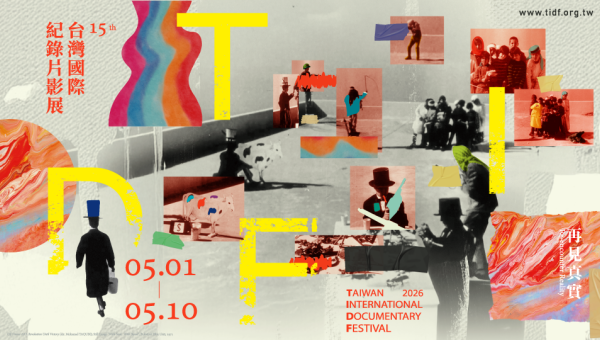
Death Is Certain but Not Final vol. IV to Open the 15th TIDF and the Focus Programme Revealed
The Taiwan International Documentary Festival (TIDF), organized by the Taiwan Film and Audiovisual Institute (TFAI), announced today that its opening program on May 1 will feature Death Is Certain but Not Final Vol. IV. Breaking with the festival’s usual tradition of presenting an opening film, the 15th TIDF will commence with a lecture performance by Saeed Taji FAROUKY, a London-based Palestinian-Egyptian filmmaker and artist whose work explores themes of conflict, human rights, and colonialism. FAROUKY’s performance also serves as an introduction to the TIDF Focus programme “Palestine and Its Archiveless Archive.”
Commenting on this bold and innovative curatorial choice, TIDF Programme Director Wood LIN explained: “By choosing a lecture performance rather than a film to open this year’s festival, we hope to present different dimensions of documentary art. Death Is Certain but Not Final Vol. IV overturns conventional notions of ‘absence’ and ‘presence.’ It also resonates with Taiwan’s own experiences of being forgotten, overlooked, and marginalized at various moments in its history.”
Death Is Certain but Not Final Vol. IV is a lecture performance that combines oration, archival imagery, and live interaction. With a humorous and rebellious tone, Saeed Taji FAROUKY guides audiences through music, dance, cinema, and architecture to explore multiple forms of “absence.” Positioned in contrast to the taken-for-granted “presence” of images, the work constructs a narrative of absence from the perspective of Palestinian creators.
After the opening event, an additional performance with free admission will take place on May 3. Audiences are invited to come and experience FAROUKY’s work in a uniquely immediate and interactive setting.
14 outstanding works in the Focus Programme “Palestine and Its Archiveless Archive”: Reclaiming History Through Absence
With Palestine lacking a centralized archive and visual materials having been dispersed across many locations, the Focus Programme “Palestine and Its Archiveless Archive” adopts the “absence” and “presence” of audiovisual archives as its point of departure. The programme presents 14 formally diverse works that demonstrate how artists creatively employ imagination, reenactment, and remediation to open up alternative views of reality through gaps in colonial narratives. Together, the selected works reflect on the conditions of history and nationhood while reconstructing both personal and collective narratives.
Four filmmakers—Saeed Taji FAROUKY, Kamal ALJAFARI, Razan ALSALAH, and Mahasen NASSER-ELDIN—will attend TIDF in person and participate in post-screening discussions with Taiwanese audiences. On May 6, the four guests will also take part in the forum “Absence as Presence—Palestine and Its Archiveless Archive,” offering a rare opportunity for audiences to gain deeper insight into the context of Palestinian cinema.
Films in Search of Film: A Mobile “Living Archive”
The Nakba, meaning “catastrophe” in Arabic, refers to the displacement of more than 700,000 Palestinians since 1948, which marks a crucial turning point in Palestinian history. Director Mohanad YAQUBI addresses these traumatic events in two works. Off Frame aka Revolution Until Victory (2016) assembles footage screened at international film festivals between the 1948 Nakba and the 1982 Lebanon War, piecing together decades of Palestinian exile through images from the Palestine Film Unit (PFU), known for its militant visual aesthetics. R21 aka Restoring Solidarity (2022) documents the unexpected discovery of 20 Palestinian film reels preserved intact by a Japanese leftist collective, transforming cinema itself into an archival space for memory.
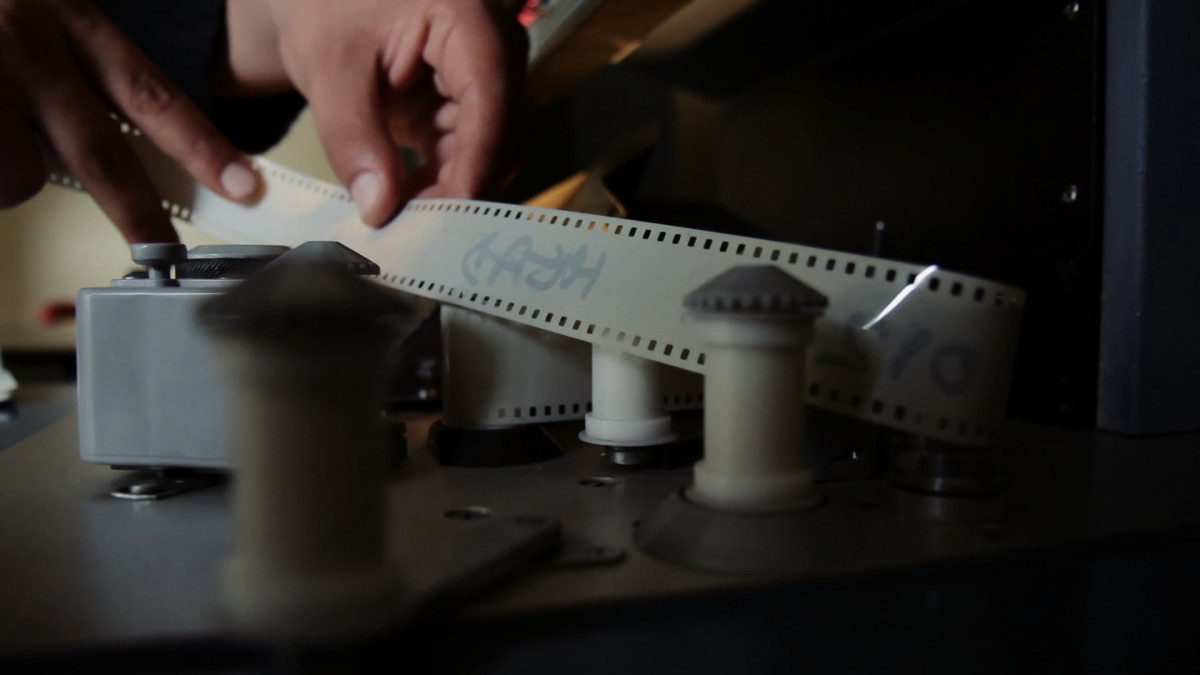
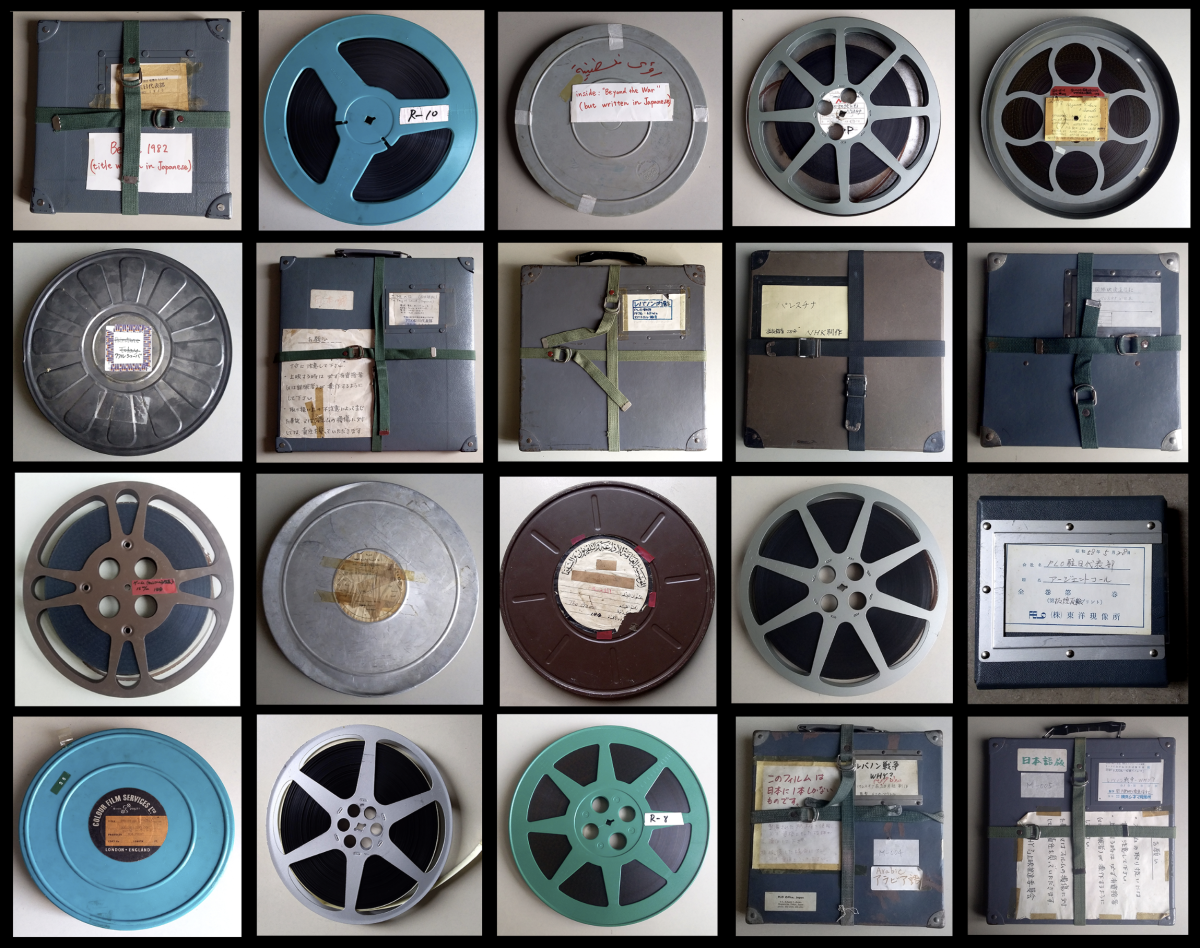
Off Frame aka Revolution Until Victory (2016) , R21 aka Restoring Solidarity (2022)
Azza EL-HASSAN’s Kings and Extras: Digging for a Palestinian Image (2004) follows a journey through Jordan, Syria, and Lebanon in search of archival materials from the Palestinian Cinema Institute that were largely lost during the 1982 Lebanon War. Along the way, the filmmaker engages with refugees scattered across the region, exploring how to relate to archives that now survive only as fragmented remains.
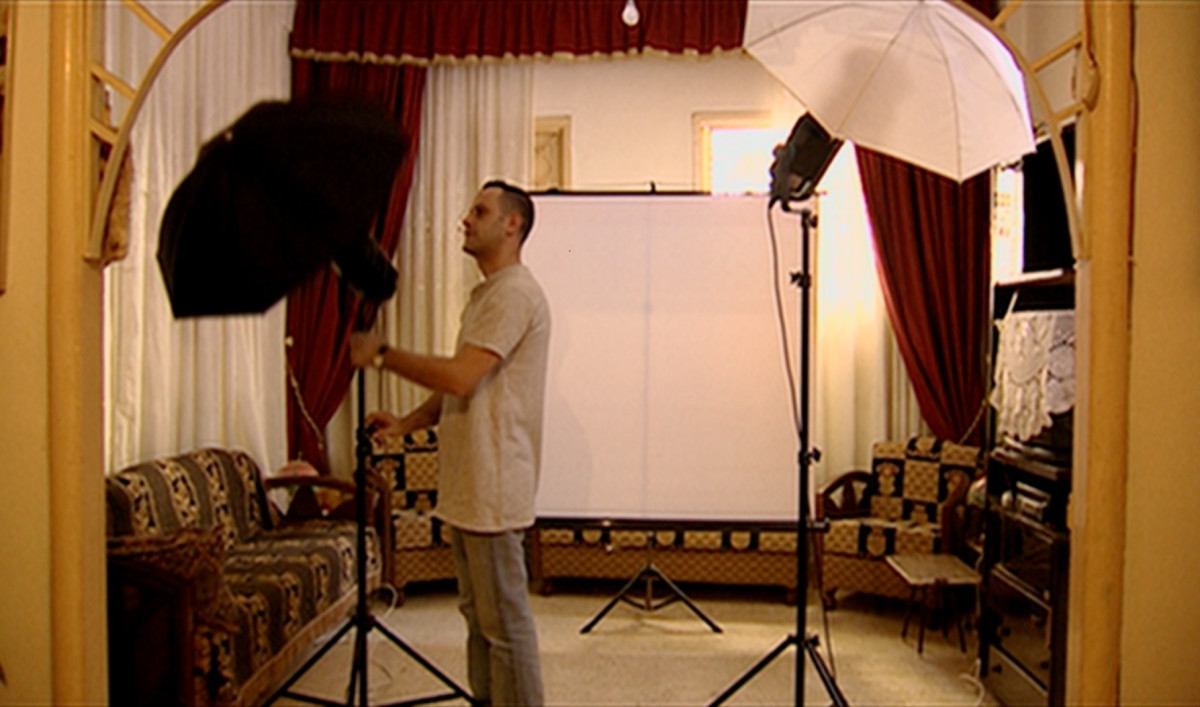
Kings and Extras: Digging for a Palestinian Image (2004)
The “Re-Creation” of Archival Images: Reversing Ways of Seeing
With Palestinians often reduced to the one-dimensional image of a perpetually displaced people, artists strive to work with—and sometimes alter—the limited materials available to them, creating a distinctly Palestinian voice amid silence. In Partition (2025), Diana ALLAN employs a separation of sound and image, re-filming 16mm footage left behind during the British colonial period and pairing it with audio recorded of Palestinian refugees in Lebanon, thereby overturning the power relations between archival images and audiovisual narration.
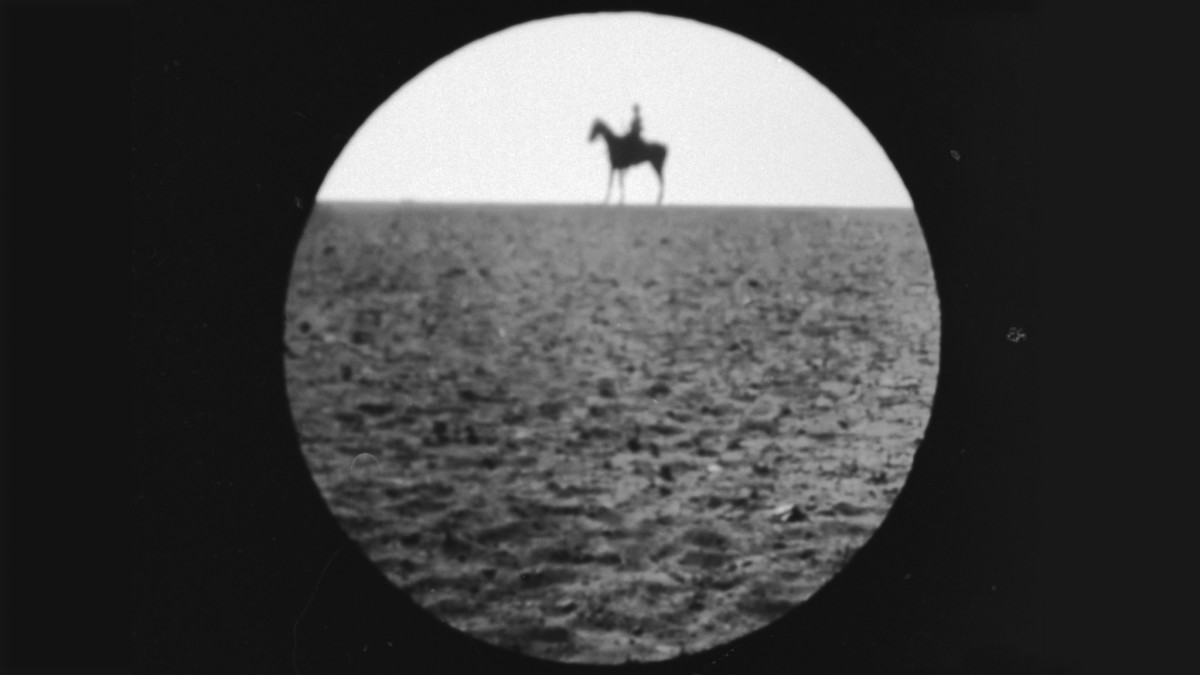
Partition (2025)
Kamal ALJAFARI, whose With Hasan in Gaza (2025) is selected for the International Competition, will present two additional major works. Paradiso, XXXI, 108 (2022) reconstructs sound and image from Israeli military propaganda and training films of the 1960s and 1970s, transforming them into an absurd fictional drama. A Fidai Film (2024) deliberately sabotages pillaged footage, reclaiming Palestinian narrative sovereignty.
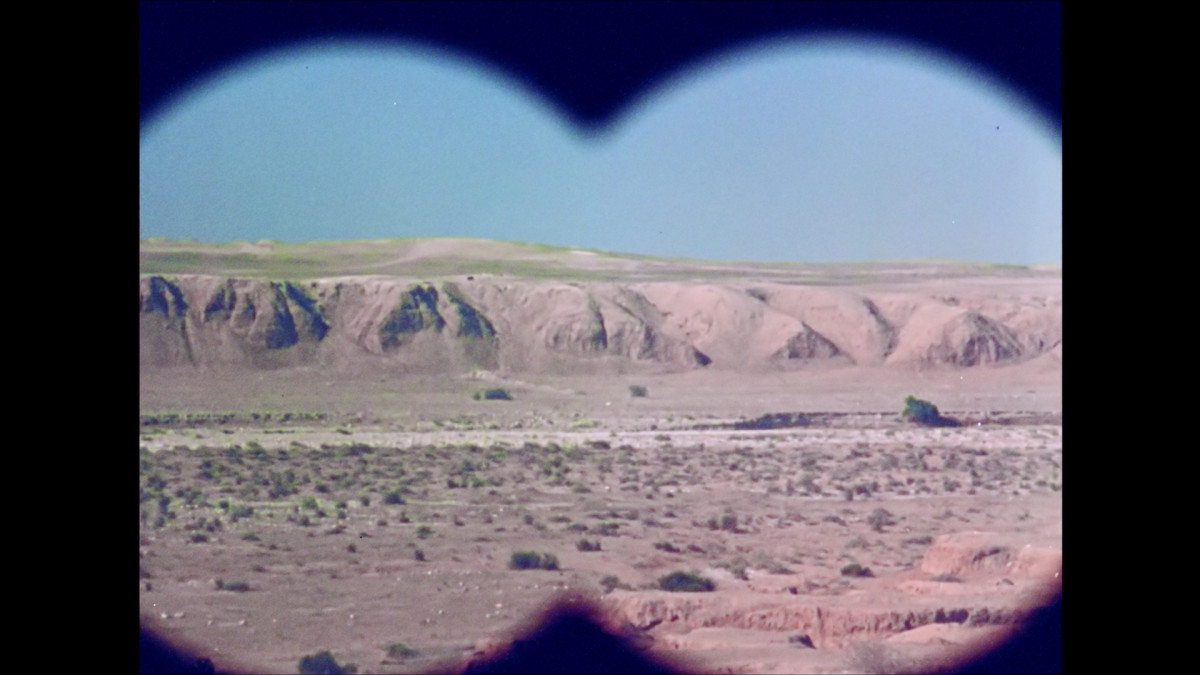
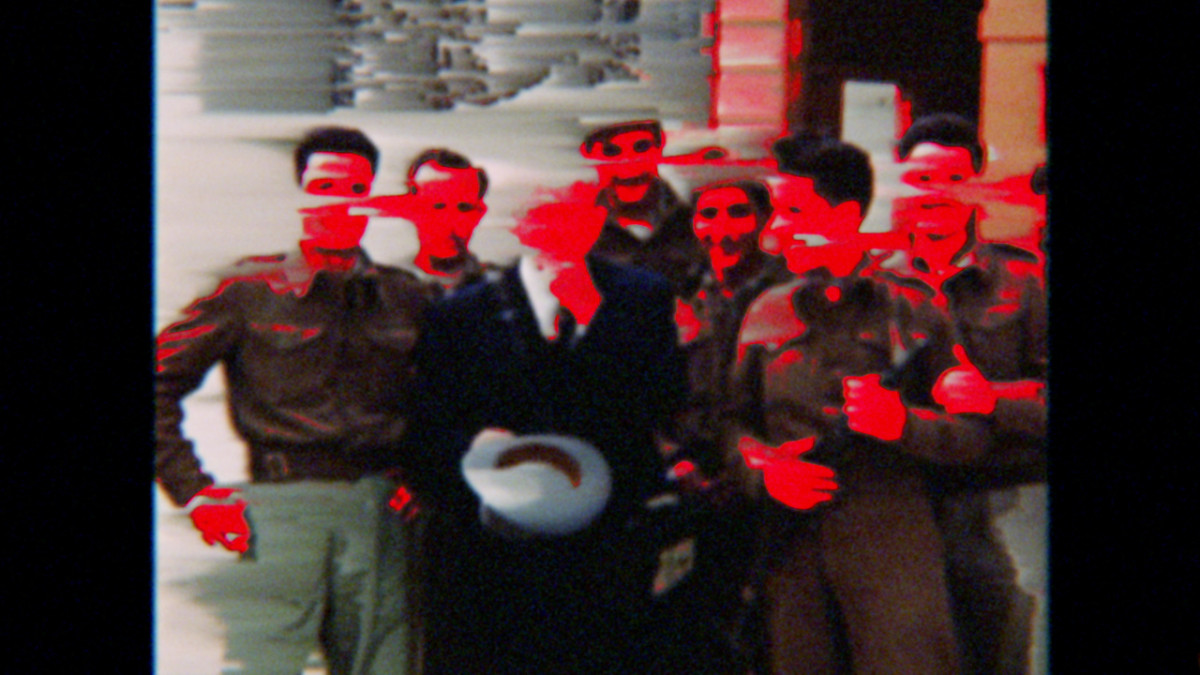
Paradiso, XXXI, 108 (2022), A Fidai Film (2024)
Furthermore, filmmakers invert conventional uses of media, resisting the constraints of reality through imagination and creative experimentation. Lawrence Abu HAMDAN’s The Diary of a Sky (2024) combines personal mobile-phone recordings of the sky with records from the United Nations Digital Library, tracing a twenty-year history of airspace violations by neighboring countries and enacting a form of “sonic politics.”
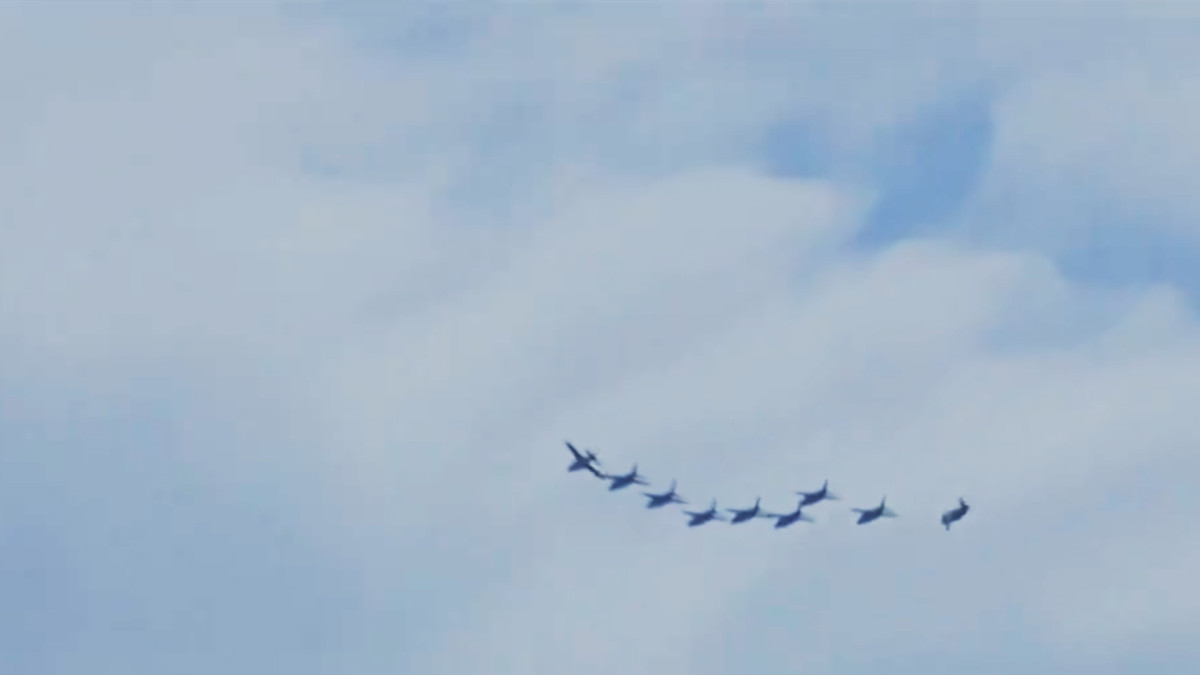
The Diary of a Sky (2024)
Razan ALSALAH’s Your Father Was Born 100 Years Old and So Was the Nakba (2017) imagines the ghostly voice of a grandmother from the future appearing within contemporary Google Street View imagery. By breaking the boundaries of time and reality, the film exposes the colonial structures embedded in digital mapping through glitches and ruptures. In A Stone’s Throw (2024), she similarly makes extensive use of digital map imagery, combined with oral-history voiceover, to reconstruct her father’s labor experiences in exile at an oil facility on Zirku Island in the Persian Gulf. Through fiction and imagination, the film visualizes an island that could not otherwise be filmed while paying tribute to the filmmaker’s father.

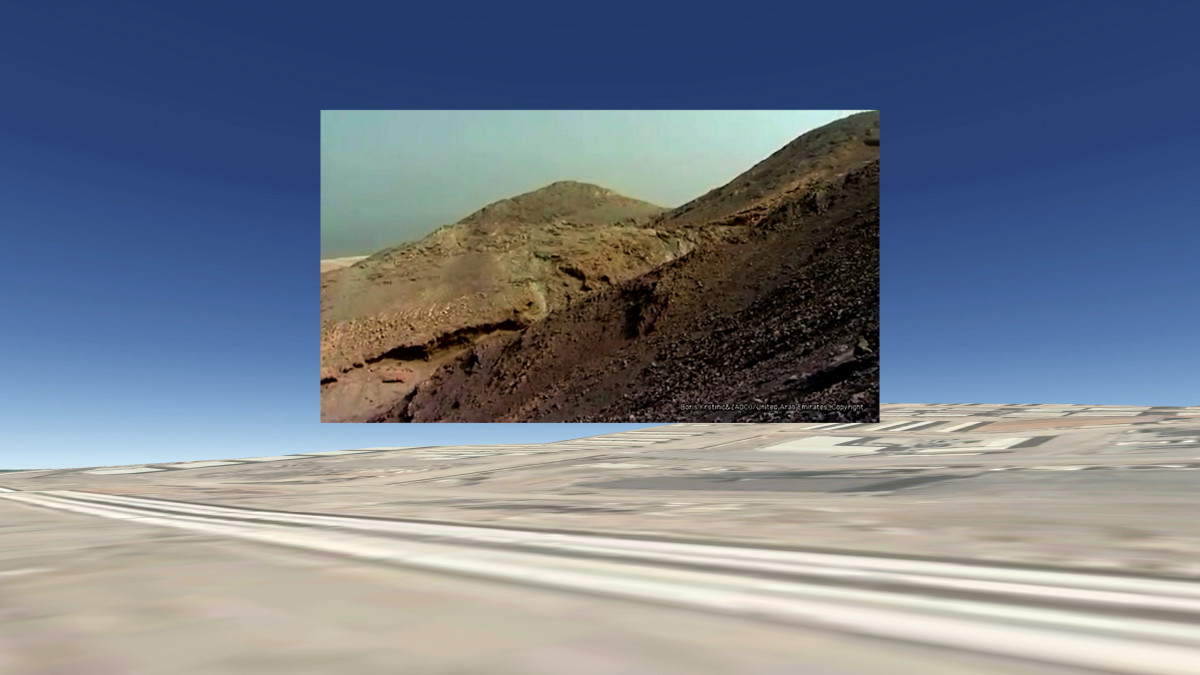
Your Father Was Born 100 Years Old and So Was the Nakba (2017), A Stone’s Throw (2024)
Female Power: Using the Body to Recall History
Among the films selected, there is no shortage of female representation. Mahasen NASSER-ELDIN’s Restored Pictures (2012) turns its gaze back to pre-1948 Palestine, tracing the path of Palestine’s first “national photographer.” It reveals a powerful vitality in the everyday domestic lives of women at the time. Another work by NASSER-ELDIN, The Silent Protest: 1929 Jerusalem (2019), revisits the scene of a large-scale women’s protest held in Jerusalem nearly a century ago, unearthing buried memories and giving voice to pioneering activists.
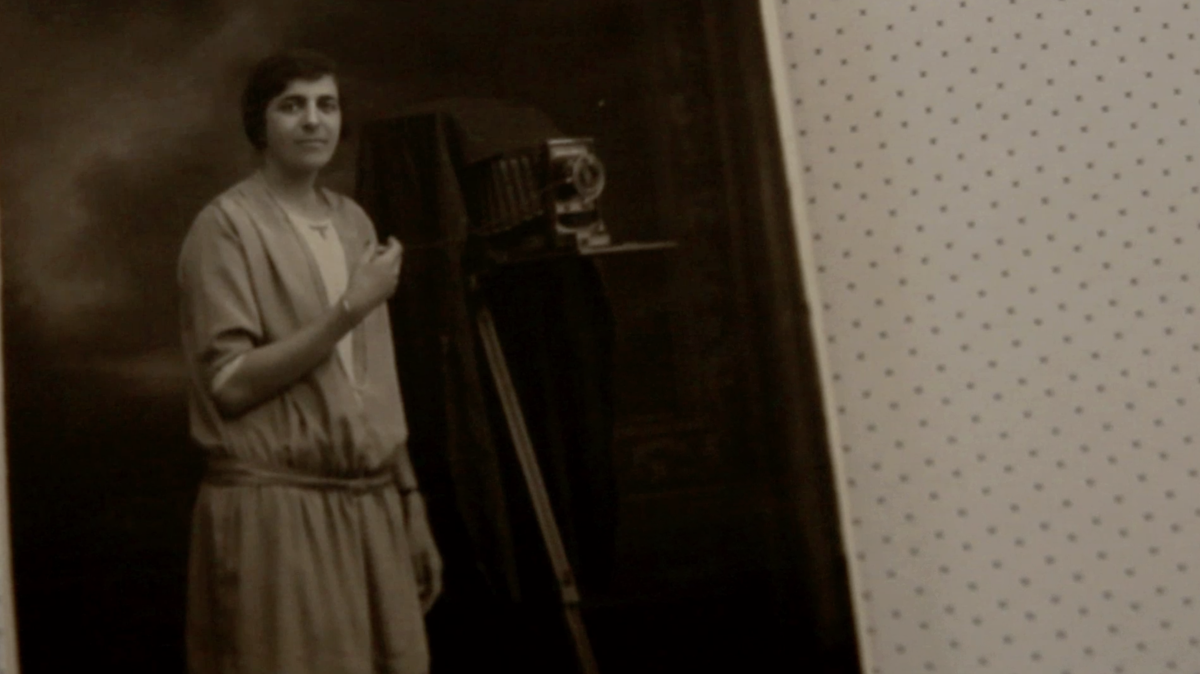
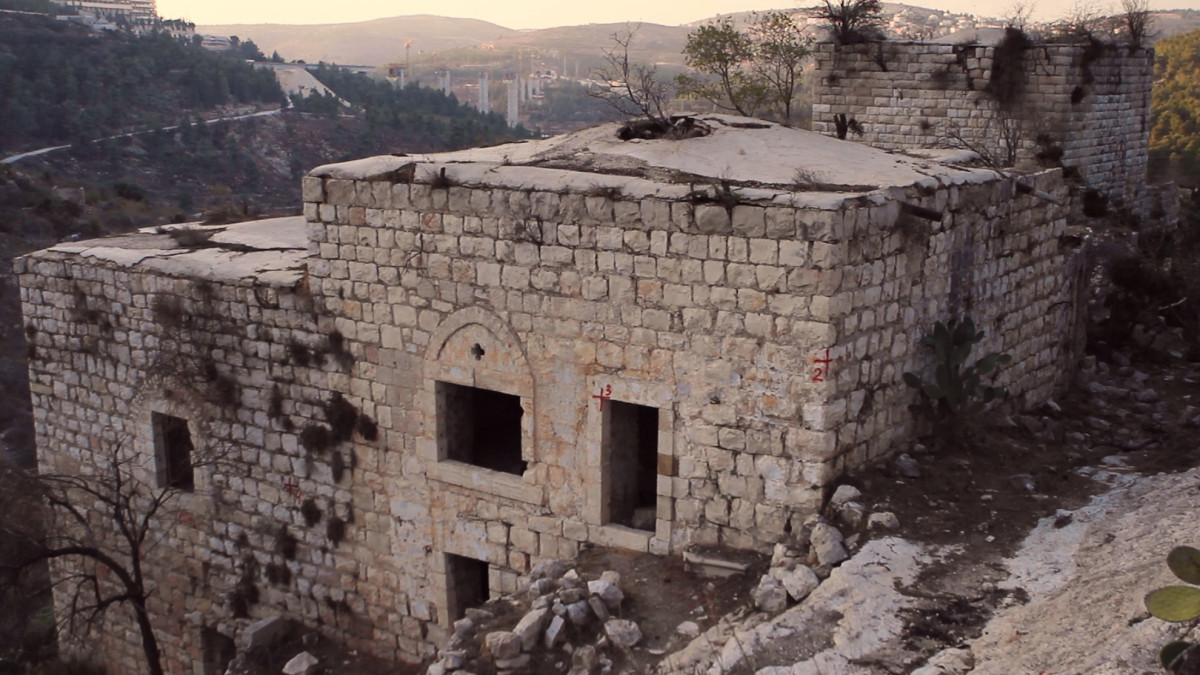
Restored Pictures (2012), The Silent Protest: 1929 Jerusalem (2019)
Using 1930s broadcasts of folk music as its inroad, A Magical Substance Flows into Me (2016) by Jumana MANNA visits a variety of musicians and performers to initiate musical dialogue, demonstrating how this “magical substance” is able to traverse ethnic boundaries while strengthening collective identity. Shot on 16mm, Noor ABED’s A Night We Held Between (2024) features ancient Palestinian ruins as a stage for dance, with performers rhythmically moving through the landscape to the accompaniment of a female voice chanting an old warrior song. Through forms of mysterious ritual, the film mourns the passing of loved ones and martyrs. Finally, Lamees ALMAKKAWY’s Dancing Palestine (2024) documents the process of young people relearning the “dabke,” a traditional Palestinian folkdance, with muscle and bones transformed into vessels for collective memory. The work demonstrates a mode of Palestinians’ survival in the face of adversity, with the body becoming the homeland when the homeland ceases to exist.

A Magical Substance Flows into Me (2016)
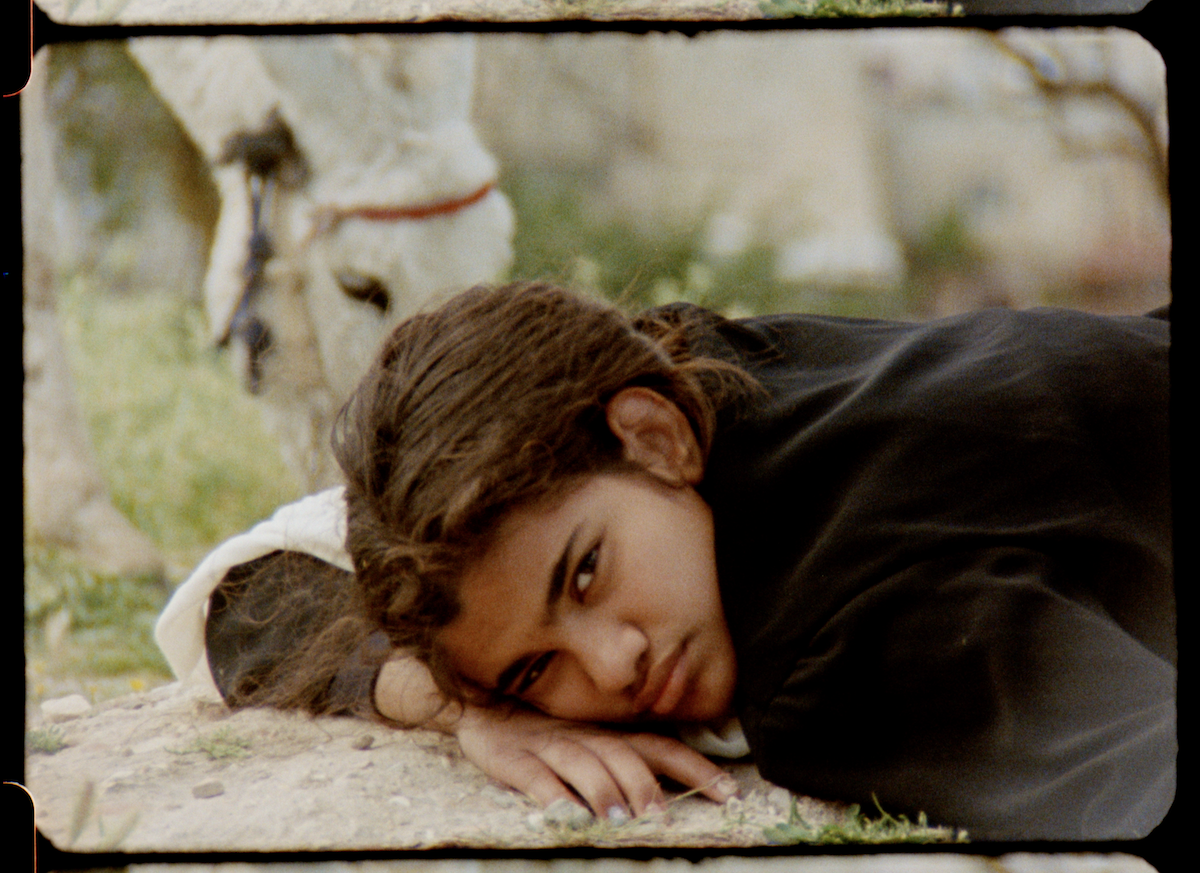
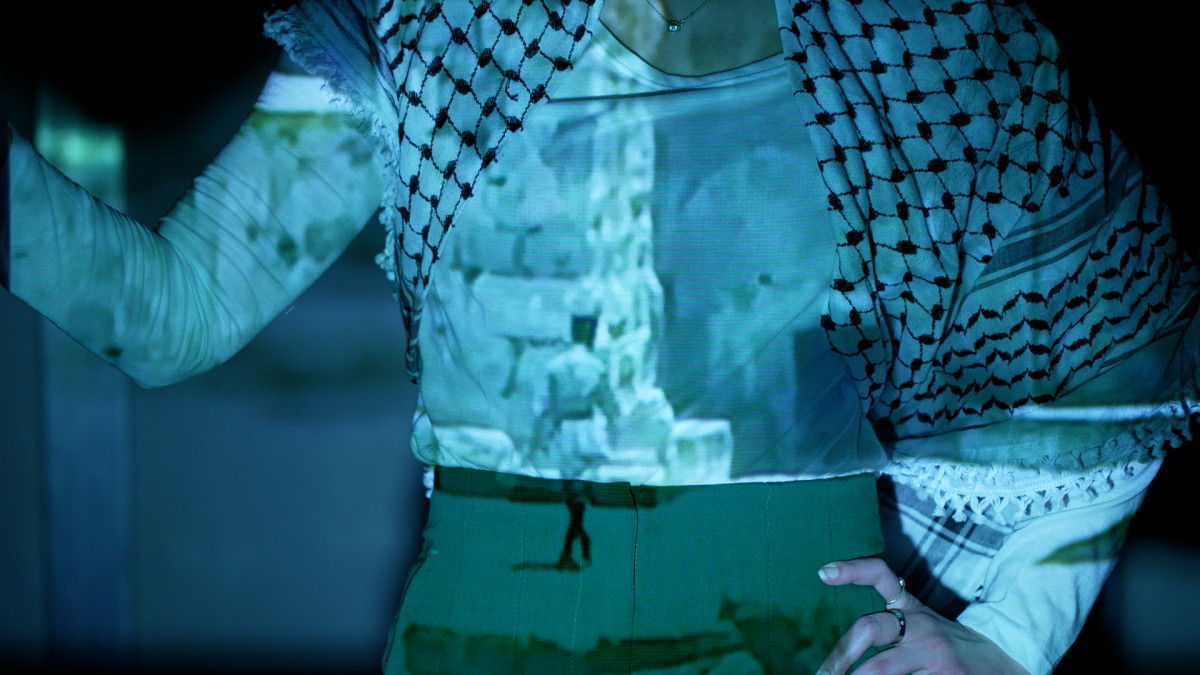
A Night We Held Between (2024), Dancing Palestine (2024)
The 15th TIDF will be held from May 1st to 10th of this year, with screenings at TFAI, SPOT-Huashan, Taiwan Contemporary Culture Lab (C-Lab), and other sites, bringing together 140 outstanding films from home and abroad. During the festival, audiences may redeem two tickets from screenings in this programme for one programme catalogue on “Palestine and Its Archiveless Archive” at the festival service desk at SPOT-Huashan.
In addition to screenings, lecture performances and discussions, there will also be listening sessions, and similar events, all with the aim of enriching audiences’ conception of documentary through rich and diverse programming. More information regarding events and programming please stay tuned to the TIDF official website, Facebook page, X, and Instagram for updates.