Imprints of Earth and the Flow of Creation TIDF and RIDM Co-curate “The Living Landscape of Contemporary Canadian Documentaries”
Today (25) the Taiwan International Documentary Festival (TIDF) announced this year’s Exchange program, which is held in collaboration with the Montreal International Documentary Festival (RIDM) and the Canadian Trade Office in Taipei (CTOT). Titled “The Living Landscape of Contemporary Canadian Documentaries,” it includes ten outstanding works recently screened at RIDM. The films will take audiences in Taiwan on a journey across borders, from the villages of Quebec to the dwellings of the Inuit, from the lonely islands of the Pacific Northwest to the Andes mountains and the streets of Lebanon. RIDM artistic co-director Marlene EDOYAN and documentary director Pablo ÁLVAREZ MESA will also visit Taiwan to share their perspectives with festival attendees.
Grounded in Diversity: Seeking the Boundaries of Documentary at the Crossroads of Identity
Like TIDF, RIDM was founded in 1998. It is now one of the documentary film festivals in North America. Situated in a predominately French-speaking region of Canada, Montreal/Tiohtià:ke has long been a convergence point of various immigrant communities and cultures. Not only has this shaped the city’s unique character, but it has also fostered a tight-knit community of filmmakers. It is from this environment that RIDM emerged, giving the festival a distinct atmosphere of inclusivity and making it an important site for exploring the limits of documentary.
Addressing the ethos of the program’s selection, RIDM artistic co-director and programmer Marlene EDOYAN explained, “At RIDM, we approach this landscape with an acute awareness of the colonial histories embedded in the territory, a land inhabited for millennia by Indigenous nations, and with a recognition that these histories continue to inform questions of narrative sovereignty and representation that shape contemporary cinematic practice.” Therefore, RIDM particularly encourages works that can engage in dialogue with human geography, challenge mainstream representational frameworks, and probe cultural identity and belonging through innovative cinematic language.
Jessie YANG, the section’s programme executive, noted that the section is titled “Living Landscape” not only to echo the sense of ongoing, life-affirming movement implied in the English word “Living,” but also because all ten works subvert traditional narrative frameworks, elevating landscapes, vegetation, and animals to the role of protagonists: “Even when people appear, they are merely one element within a panorama of coexistence among all things.”
The program’s diverse array of filmmakers share a common focus on human geography and historical memory, yet their approaches span a wide range of media and techniques, ranging from film development and sound-image experiments to oral history and music and dance. “Audiences will see North American documentaries that are completely different from mainstream, big-budget productions—the experience will be profoundly inspiring.”
Imprints of the Earth: Sensory Records of Labor, History, and Landscape
The program features four feature-length documentaries that capture the presence of specific landscapes through delicate, attentive observation, interplaying the rhythms of labor and daily life with the pulse of the land.
In The Blueberry Blues (2025), the camera takes a deliberate pace in following the blueberry harvest season in Quebec’s Lac-Saint-Jean region. The film depicts farmers working side by side in the fields and pairs everyday conversation with blues music in portraying resilience in the face of looming climate change.
Shot on 16mm, Geographies of Solitude (2022) and Archipelago of Earthen Bones — To Bunya (2024) open up a sensorial dialogue between nature and perception. The former follows a conservation scholar who has been stationed on a remote North Atlantic island for forty years, closely observing his work collecting marine debris and safeguarding the ecosystem; the latter, using multiple-exposure techniques, inlays Australia’s ridgeline terrain, vegetation, and volcanic afterglow in a single mosaic.
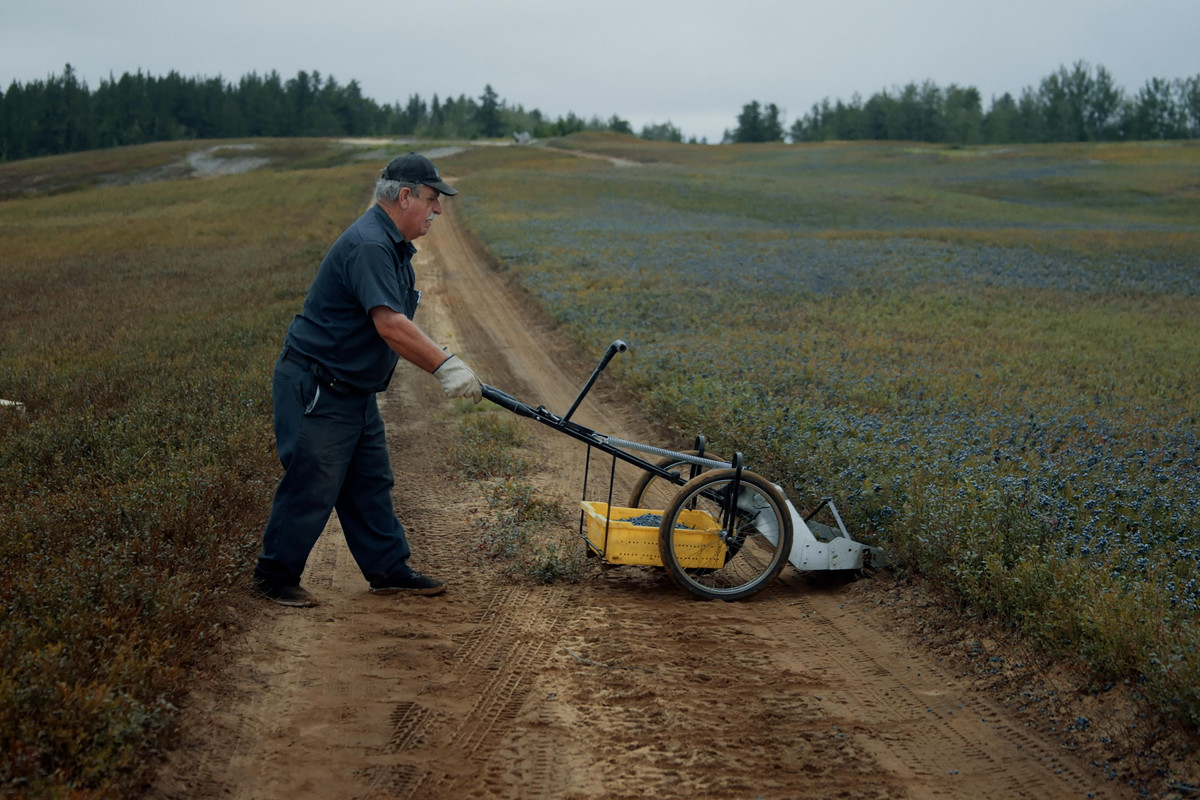
The Blueberry Blues
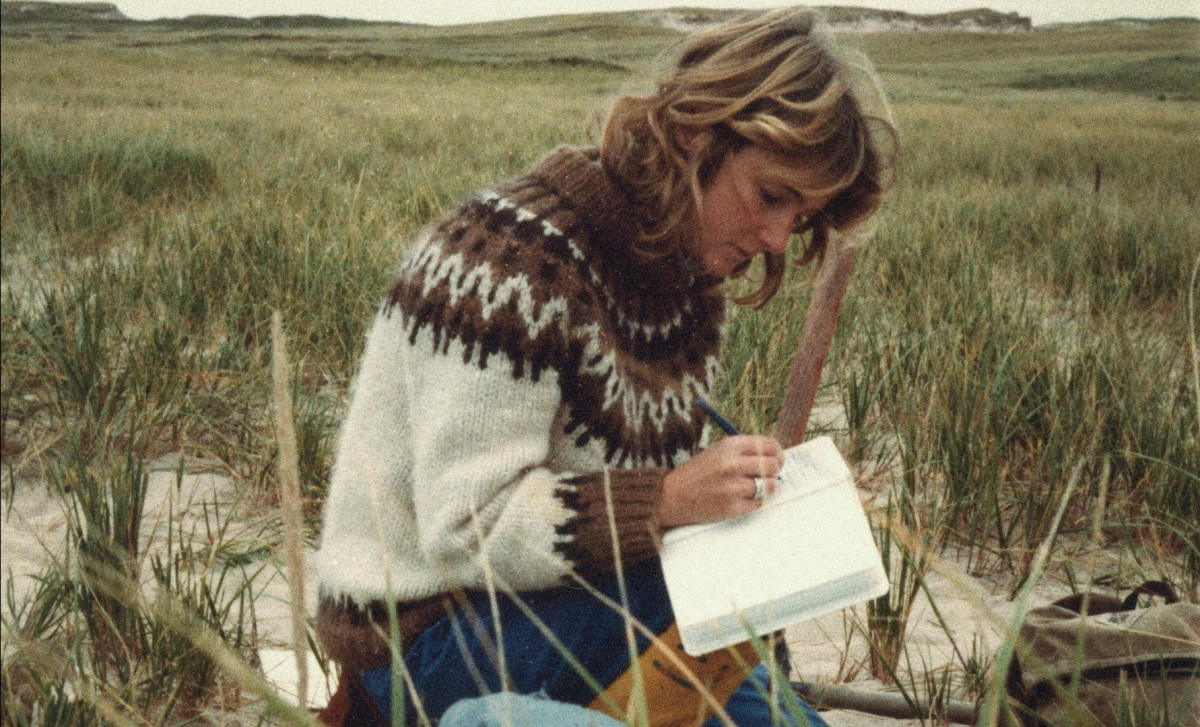
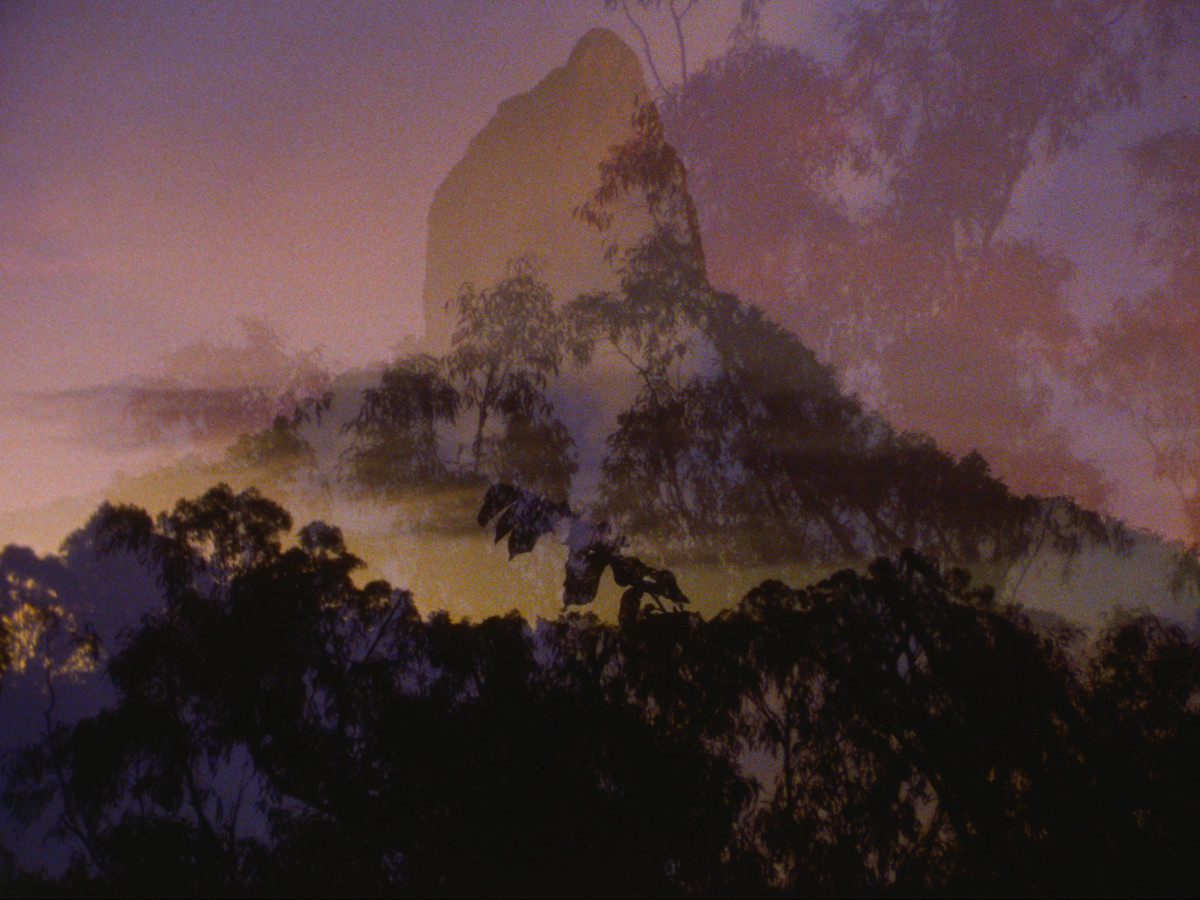
Geographies of Solitude , Archipelago of Earthen Bones — To Bunya
For its Asian premiere, The Soldier’s Lagoon (2024), traces the liberator Simón Bolívar’s revolutionary route across the Colombian Andes. Within this rich yet fragile highland ecosystem, director Pablo ÁLVAREZ-MESA blends oral history with meticulously crafted soundscapes to confront how the landscape bears, perpetuates, and internalizes the scars of past violence. The director will also travel to Taiwan and join audiences for an extended discussion on May 8.
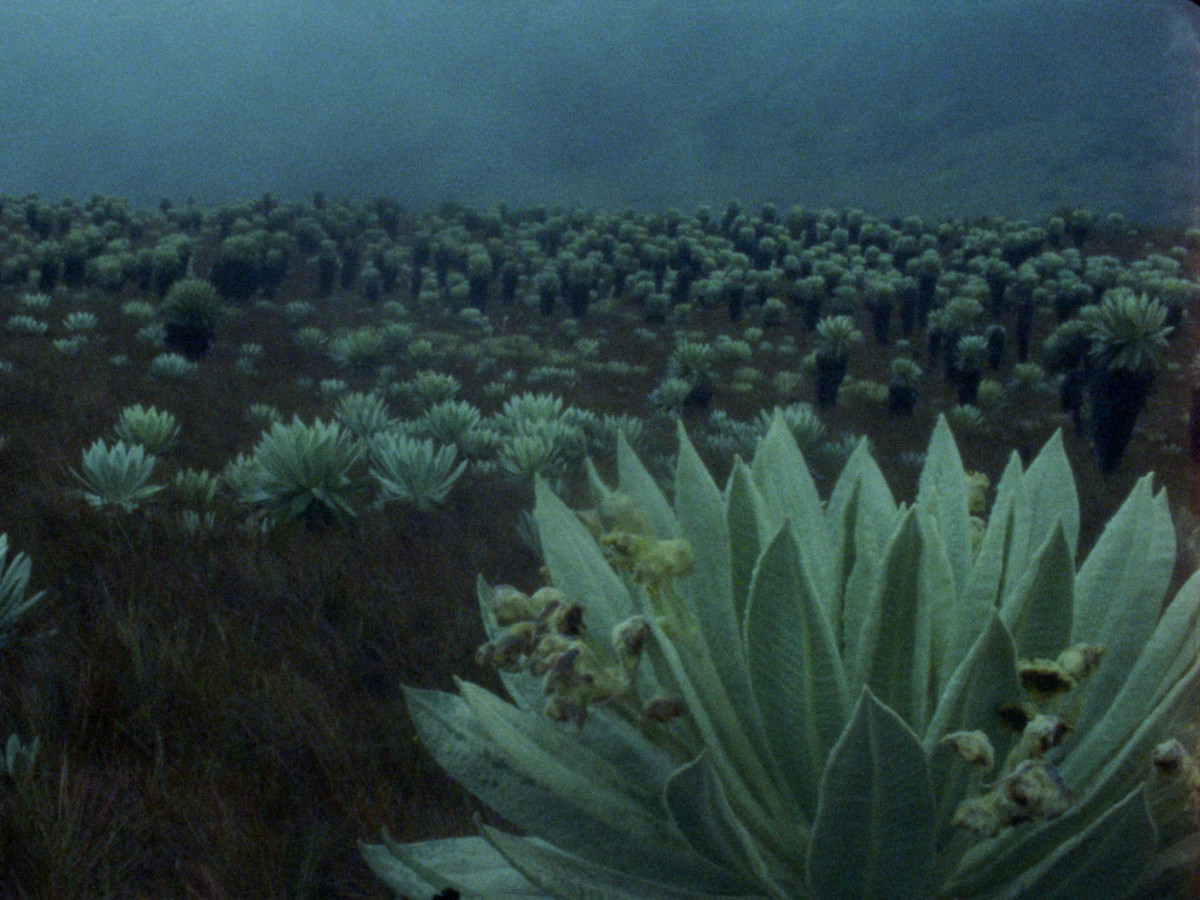
The Soldier’s Lagoon
Experiments with Image and Materiality: From Historical Archives to Body Politics
In addition to the four feature-length films, two short-film programs also show how filmmakers expand the boundaries of traditional documentary through experimental perspectives and heterogeneous methodologies.
"RIDM Shorts #1” foregrounds films in which profound political concerns are addressed with bold creativity. Traces (2023) moves through Lebanese neighborhoods at the height of the country’s civil war, juxtaposing found footage of 1980s lesbian pornography with images of hypermasculine armed militants, excavating queer lives erased by history. In Tuktuit: Caribou (2025), director Lindsay MCLNTYRE demonstrates striking artisanal craftsmanship, incorporating lichen into the development and preparation of 16mm photosensitive emulsions on a caribou-hide gelatin base, creating an alternative, materially grounded sensory record of life in Inuit territory. Holiday Native Land (2023) deconstructs official tourism-promotional films from the 1920s to the 1970s, using split-screen to reveal how images of leisure obscure the history of colonial rule that persists to this day.
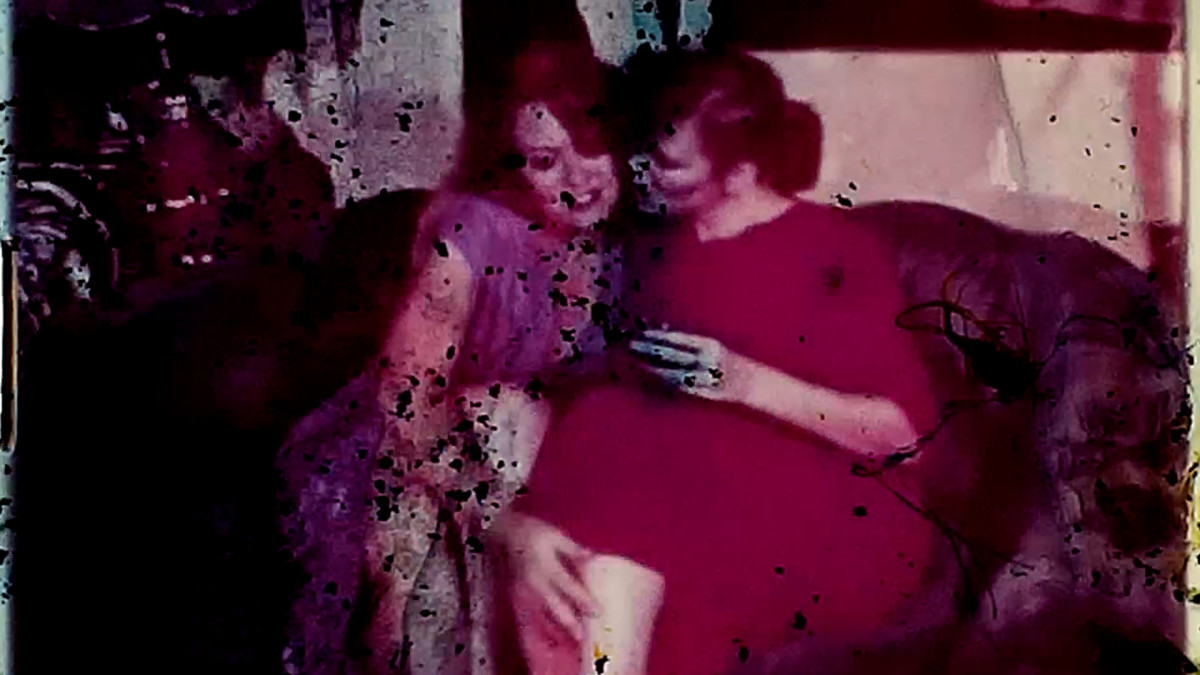
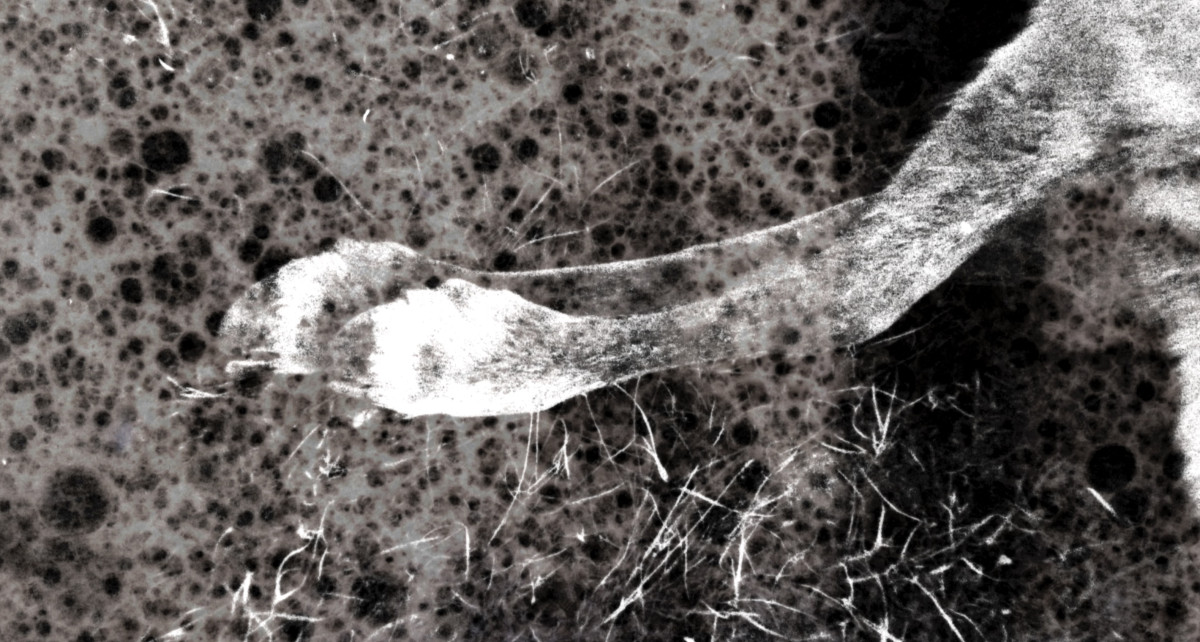
Traces 、In Tuktuit: Caribou
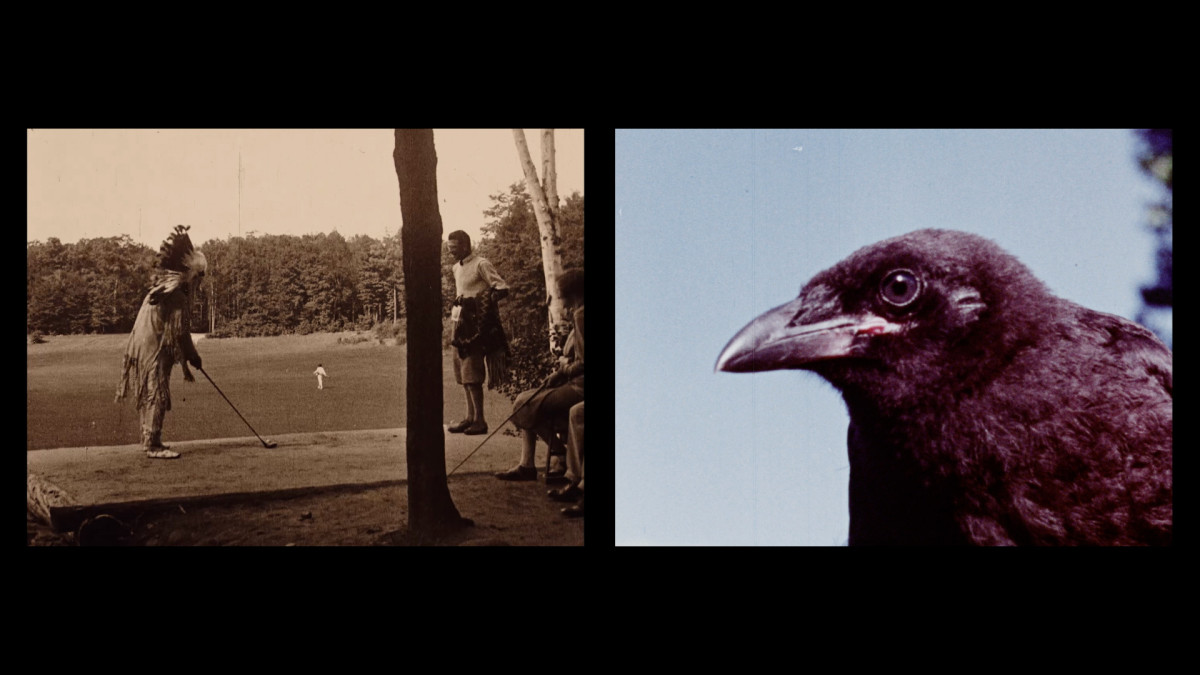
Holiday Native Land
“RIDM Shorts #2” builds a portrait of women’s resilience that crosses terrains, moving between the intimate and the collective. Ode to Loneliness (2022) finds Lebanese director Rawane NASSIF alone in a high-rise apartment, layering images of her body and everyday objects with the shifting view beyond the window, transforming loneliness into a space for invention. Like a Spiral (2024) captures how women migrant domestic workers in Beirut stand up to fight for survival and dignity amid a city left in ruins and verging on erasure after the 2020 port explosion. Finally, The Truss Arch (2021) is the director’s cinematic letter to her immigrant mother. Set beneath a truss bridge linking Canada and the United States, it choreographs movement and memory to blur the boundaries between nations and generations.
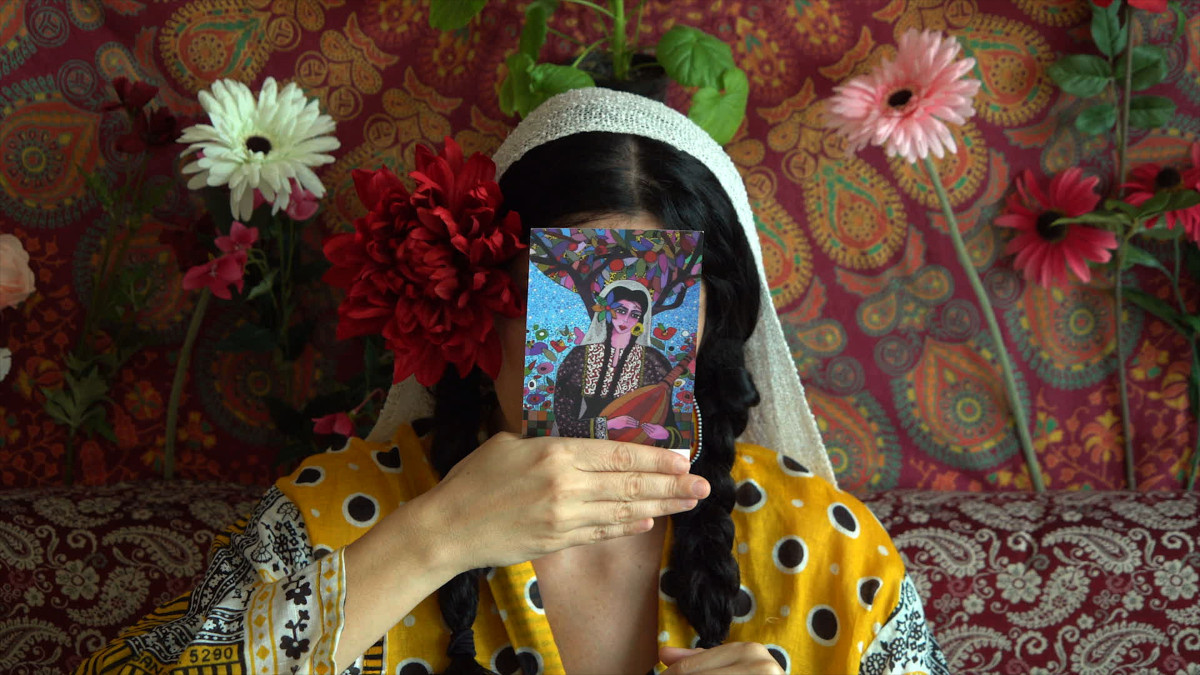
Ode to Loneliness
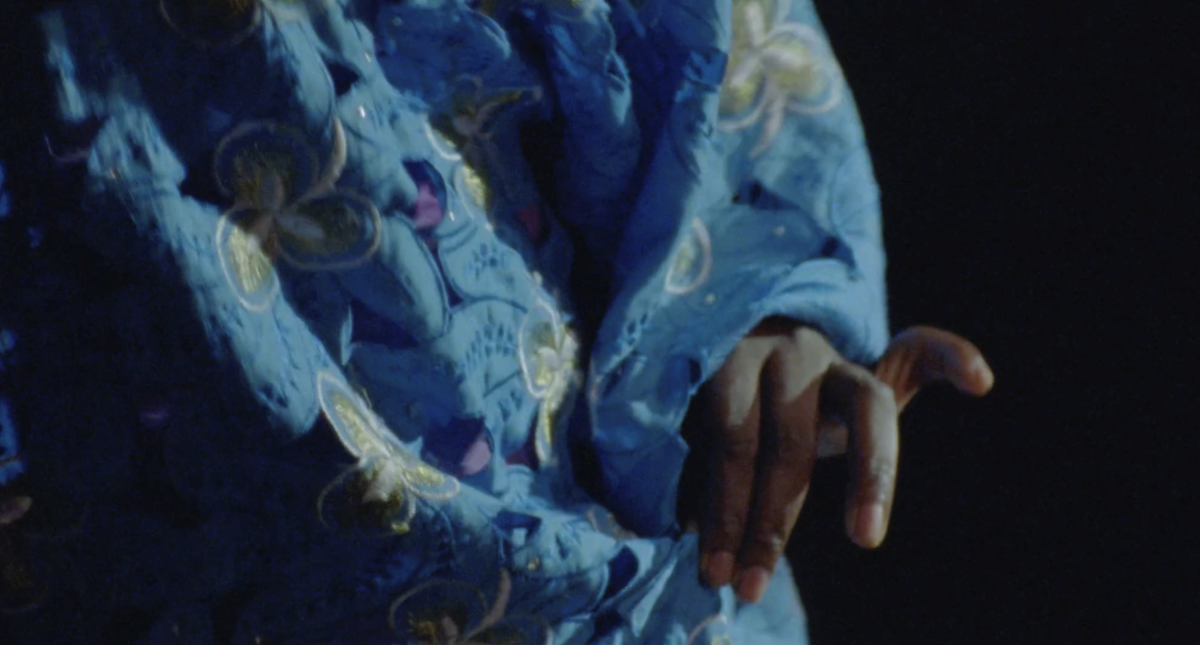
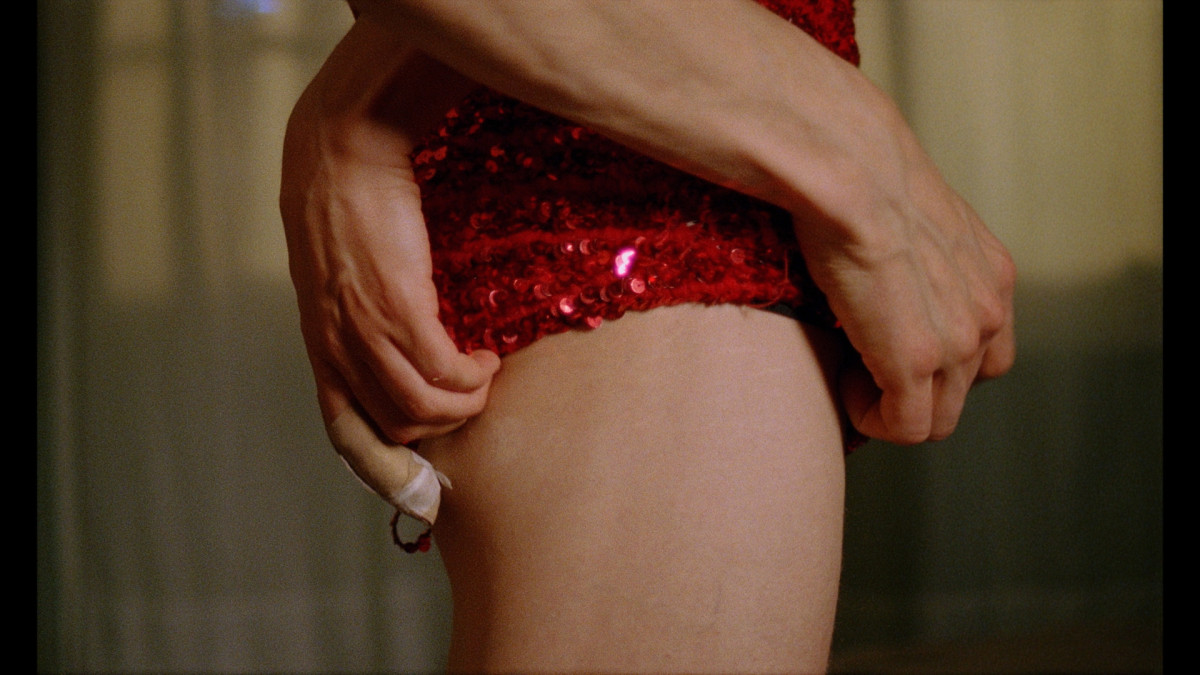
Like a Spiral、The Truss Arch
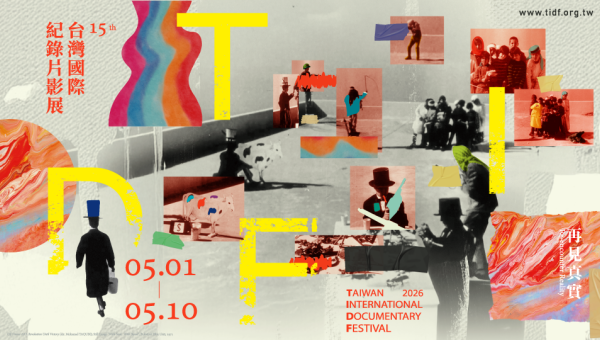
The 15th TIDF will be held from May 1st to 10th this year, with screenings at TFAI, SPOT-Huashan, Shin Kong Cinemas Taipei Lion's, Taiwan Contemporary Culture Lab (C-Lab), bringing together 140 outstanding films from home and abroad. In addition to screenings, there will also be lecture performances, listening sessions, and discussions, all with the aim of enriching audiences’ conception of documentary through rich and diverse programming. More information regarding events and programming please stay tuned to the TIDF official website, Facebook page, X, and Instagram for updates.