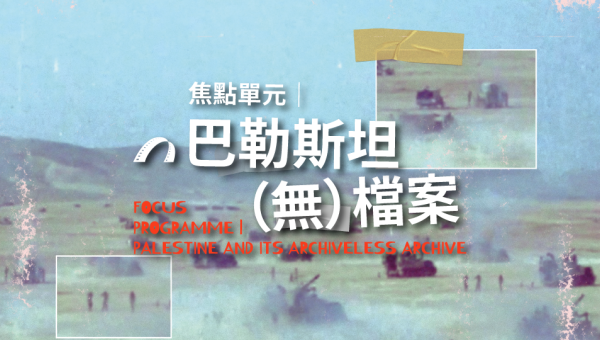
TIDF Focus Programme: Sensible but Unsayable—A Retrospective of the Sensory Ethnography Lab Communicating the Ambiguities of Living through Cinema
What kinds of film can make audiences feel the salty tang of sea spray, the stickiness of a body’s interior, or the dizzying roar of machinery? What kinds of film can toss audiences into the tearing of scrap metal, make them breathe as one with laborers, or situate them in a vanished culture?
Today, the 15th Taiwan International Documentary Festival (TIDF) announced the Focus programme “Sensible but Unsayable—A Retrospective of the Sensory Ethnography Lab.” The Sensory Ethnography Lab at Harvard University is a world-renowned interdisciplinary center where visual anthropology, documentary filmmaking, and contemporary art intersect.
TIDF is honored to welcome the Lab’s founder, Lucien CASTAING-TAYLOR, along with acclaimed SEL filmmaker and artist, J. P. SNIADECKI, to Taiwan. The festival will also host special in-theater “Listening Sessions,” inviting audiences to open their senses, reconsider the possibilities of documentary cinema, and challenge conventional ideas of what it means to “watch” a film.
Art as Experience: A Cinematic Practice Where Perception Precedes Understanding
The Sensory Ethnography Lab (SEL) was founded in 2006 by Lucien CASTAING -TAYLOR, Professor of Anthropology and Visual Studies at Harvard University. The SEL seeks to break away from the long-standing tradition in documentary and ethnographic cinema of prioritizing the transmission of knowledge and information while striving for a sense of “complete understanding.” Over the years, SEL has influenced and nurtured many filmmakers while continually inspiring innovative cross-disciplinary exchanges among visual anthropology, audiovisual aesthetics, documentary practice, and contemporary art.
“SEL actually has no fixed doctrine or rules,” notes TIDF programmer CHUNG Pei-hua. Unlike traditional ethnographic films that emphasize the delivery of information, SEL’s works grow out of the filmmakers’ close observation and shared sensory experiences developed through spending time with their subjects in everyday life. Believing that culture and lived experience often cannot be fully articulated through words, they advocate the ideas of “Art as Experience” and “Perceptual first and the conceptual second.”
Accordingly, SEL films typically avoid narration, explanatory title cards, and interviews, seeking not to reduce the complexity and ambiguity of reality to a single message. Instead, through carefully considered camera perspectives and synchronous sound recording, they explore the unique possibilities of the cinematic medium to create immersive experiences. In this way, audiences are no longer passive recipients of information but are invited to engage with the films through their full sensory awareness, taking a more active role in seeing, feeling, and thinking.
Embodied Intervention: Breaking the Boundaries of Conventional Viewing
Audiences will have the chance to see the seminal works of SEL’s most renowned creative duo—Lucien CASTAING-TAYLOR and Véréna PARAVEL. Their collaborations established the aesthetic benchmark for the Lab: immersion in the field for extended periods of time and abandonment of the stable compositions of traditional cinematography. Instead, they transform both the creator and the equipment into "objects" within the field. Through this physical, embodied intervention, they shatter visual limitations and create a shared sensory experience of the subjects' lived soundscapes.
The groundbreaking Leviathan (2012) plunges deep into the treacherous waters of the North Atlantic. Multiple GoPro cameras are mounted on masts, fishing gear, and even the fishermen themselves, transforming the industrial labor of fishing into a visceral cinematic poem. De Humani Corporis Fabrica (2022) utilizes specially crafted micro-lenses to venture into the human body, shattering the conventional perception of medical photography as a mere tool for documentation or evidence. In doing so, it challenges the boundaries between observation and coexistence. Simultaneously, through meticulous sound design, the film creates two realities by allowing this internal world to enter into a dialogue with the actual situation of medical workers and the patient experience. CASTAING-TAYLOR will attend an extended post-screening talk on May 10 to share his creative philosophy and techniques with the audience.
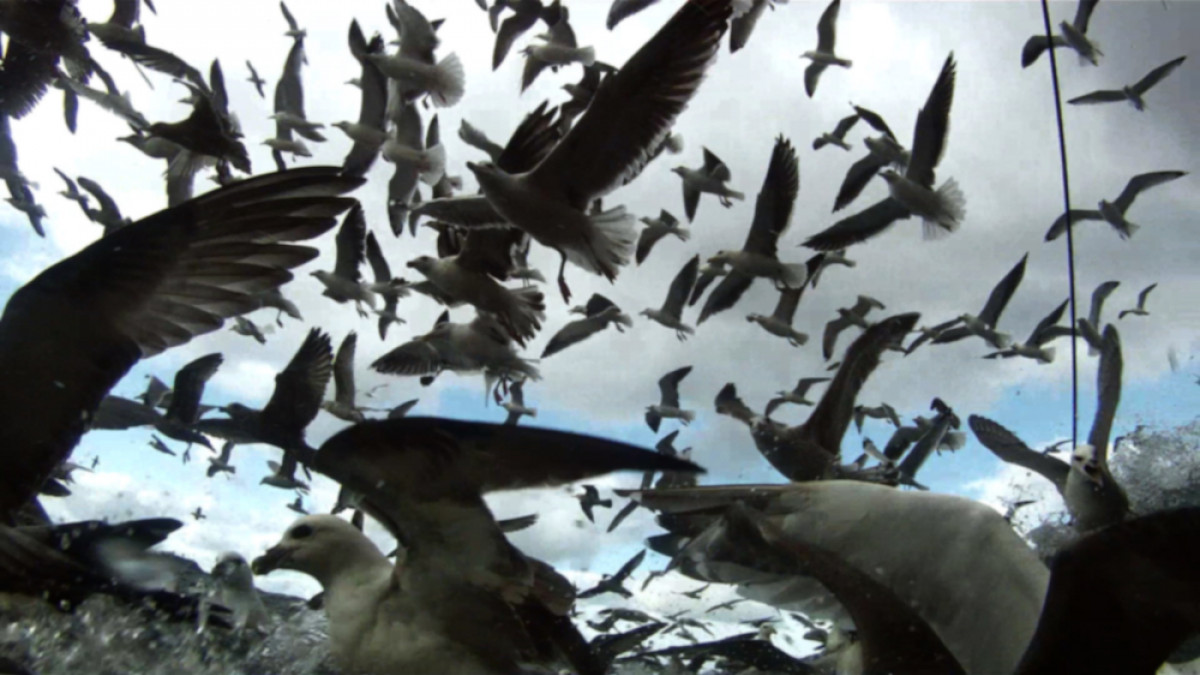
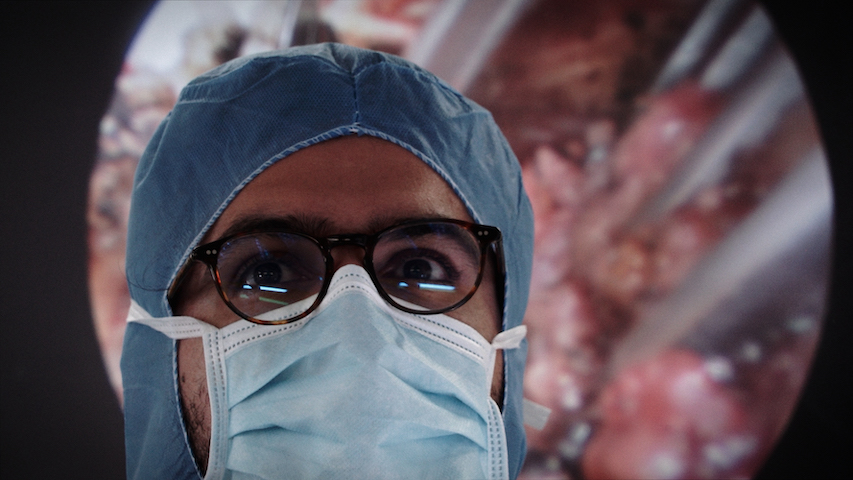
Leviathan (2012) , De Humani Corporis Fabrica (2022)
The programme also revisits earlier works by the two filmmakers. Sweetgrass (2009), co-directed by CASTAING-TAYLOR and Ilisa BARBASH, is widely regarded as SEL’s first major work. The filmmakers follow the last generation of sheep herders in Montana during their seasonal migration, using shoulder-mounted cameras and synchronous sound recording. They even attached recording devices to the sheep to capture the rhythmic tolling of their bells, drawing viewers into a landscape that is both grand and intimate. Meanwhile, Foreign Parts (2010), directed by PARAVEL and J.P. SNIADECKI, captures an industrial community in Queens, New York, on the verge of demolition. Amid shards of rusted metal and the clang of machinery, the film reveals the precarious lives of a community of immigrants and workers clinging to a disappearing space.
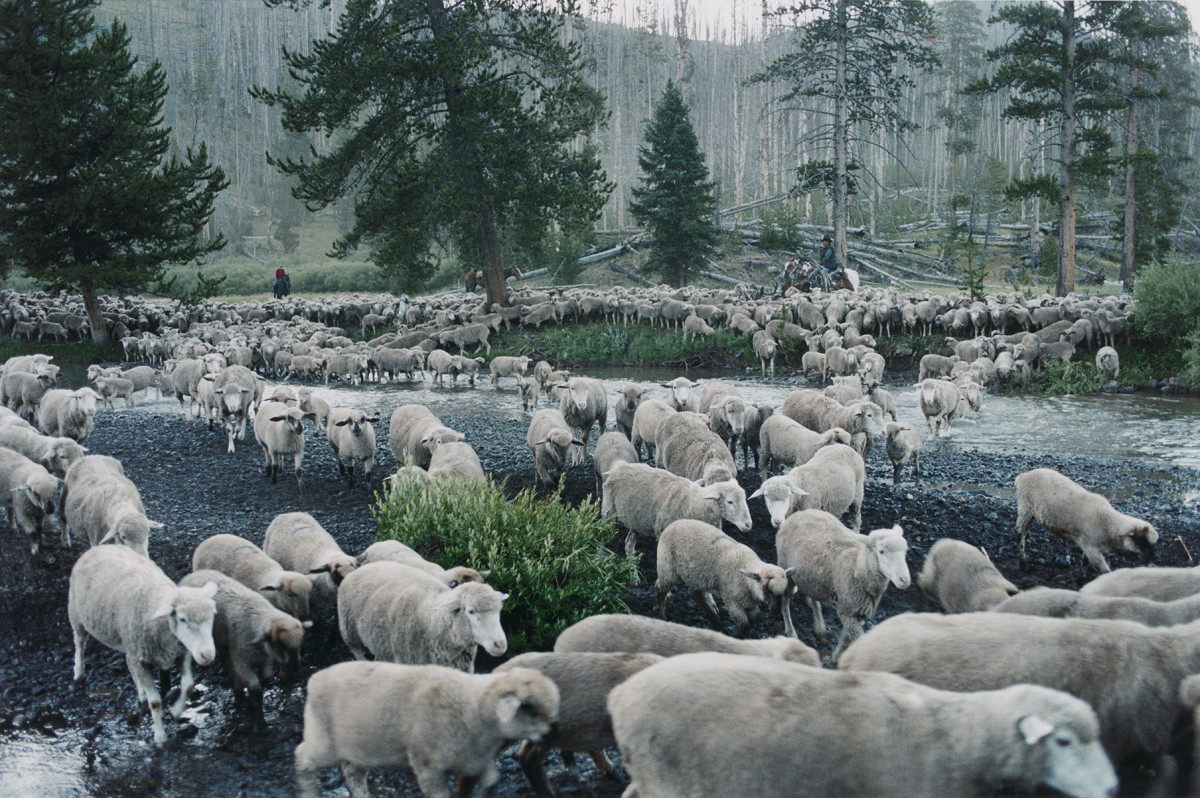
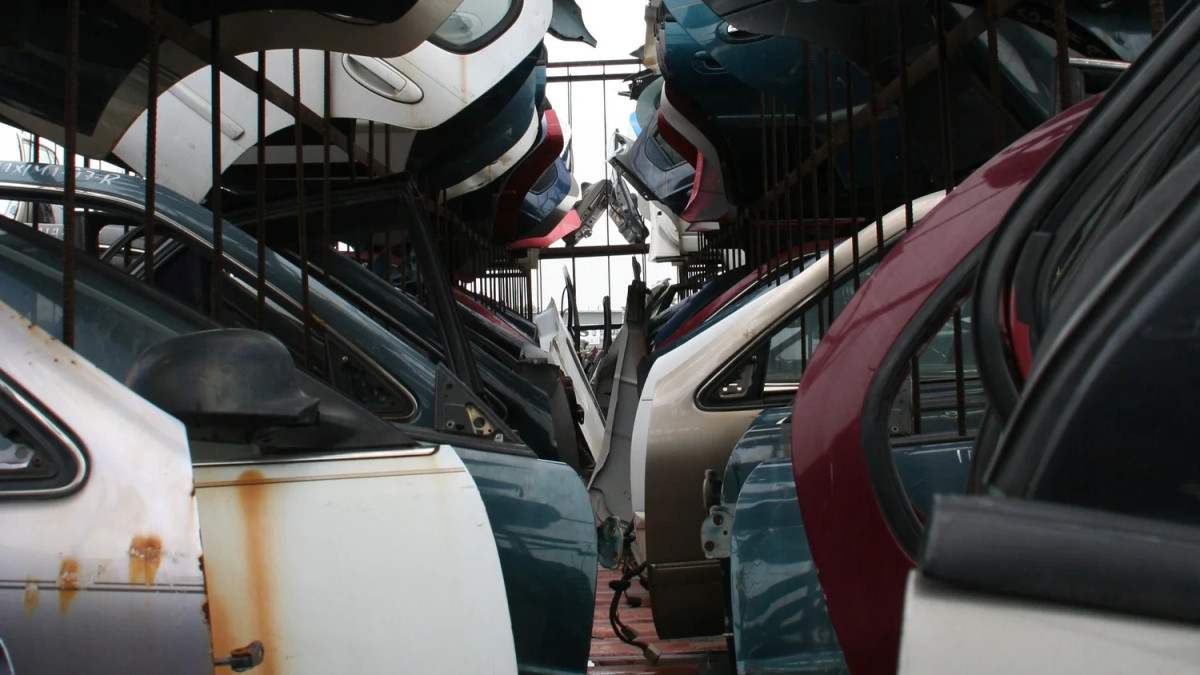
Sweetgrass (2009), Foreign Parts (2010)
The Critical Power of Sound: From Historical Field Recordings to In-Theater “Listening Sessions”
In the works of SEL, sound is never merely a supporting element to the image. In many cases, it conveys cultural textures that visuals alone cannot capture. Rather than using directional microphones to record speech, the filmmakers often rely on multiple ambient microphones to capture the subtle, often overlooked background sounds of an environment. A prime example is Single Stream (2014)—co-directed by Pawel WOJTASIK, Toby LEE, and Ernst KAREL—set in a waste-processing facility. The textures and rhythms of the sound, paired with "non-human" perspectives weaving through the factory, grant a sense of subjectivity to the discarded materials themselves, drawing the viewer into the physical cycle of matter.
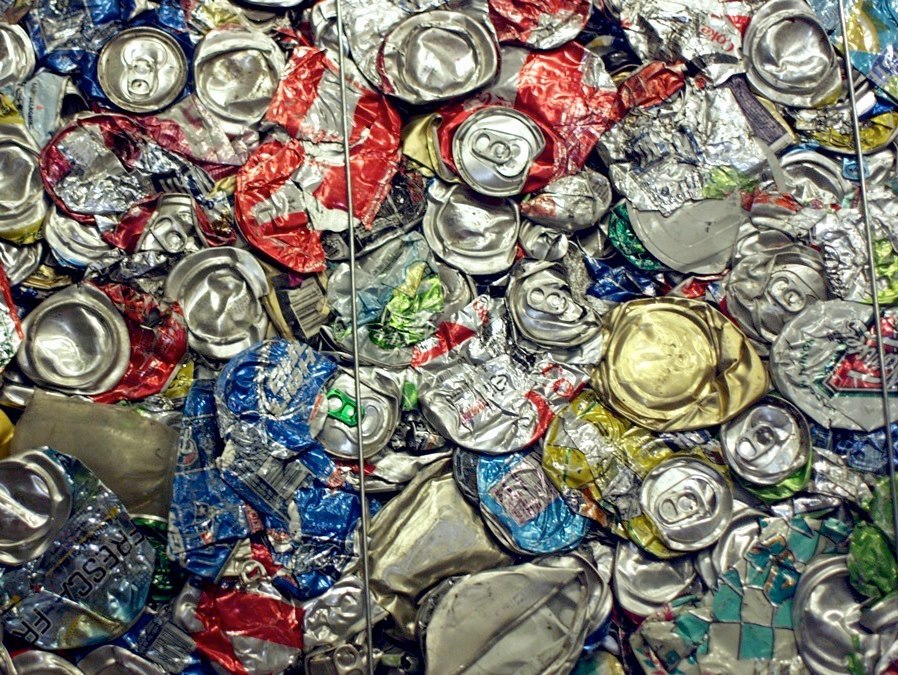
Single Stream (2014)
Sound artist Ernst KAREL has contributed extensively with the SEL filmmaking community. Expedition Content (2020), co-directed by KAREL and Veronika KUSUMARYATI, is a work centered entirely around sound. The film uses audio recordings made by a Harvard 1961 expedition to Western New Guinea in Indonesia (then known as Dutch New Guinea) to critically reflect on and deconstruct the classic ethnographic film Dead Birds (1963), which was shaped by the white-supremacist gaze of the era. Juxtaposing these works reveals how sound can function as a tool for critique and dialectical interrogation while also showcasing SEL’s legacy of innovation and self-reflection in the realm of ethnographic filmmaking. Both KAREL and KUSUMARYATI will participate via video link for an extended post-screening discussion of Expedition Content on May 2.
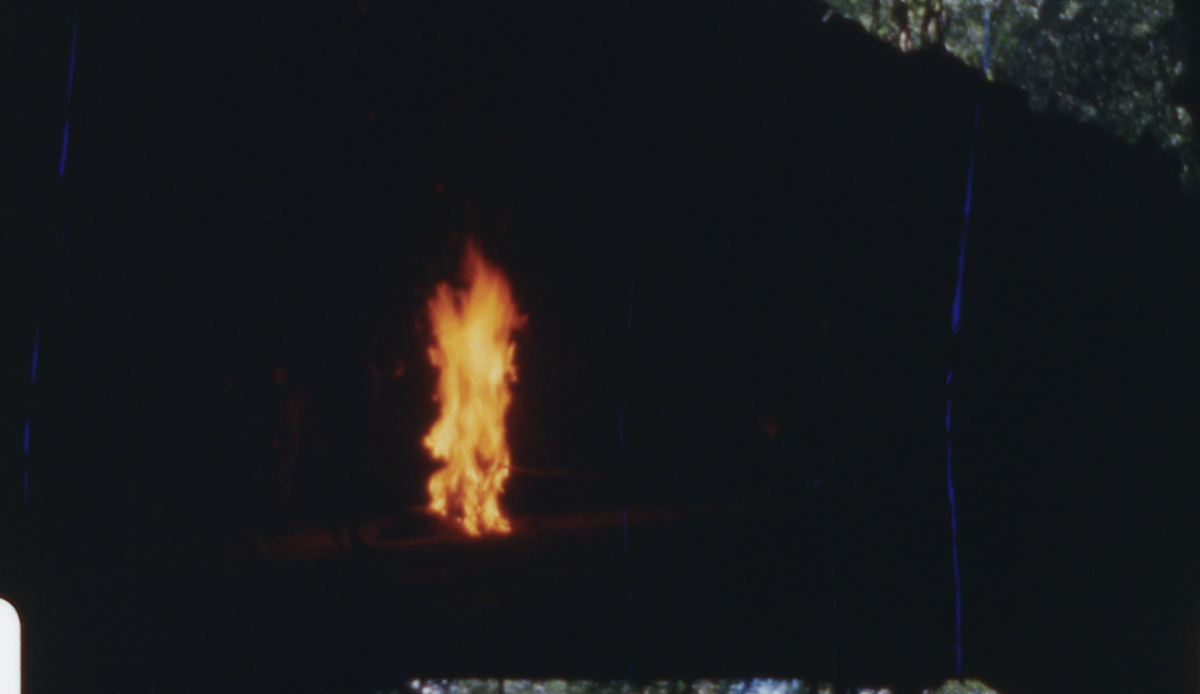
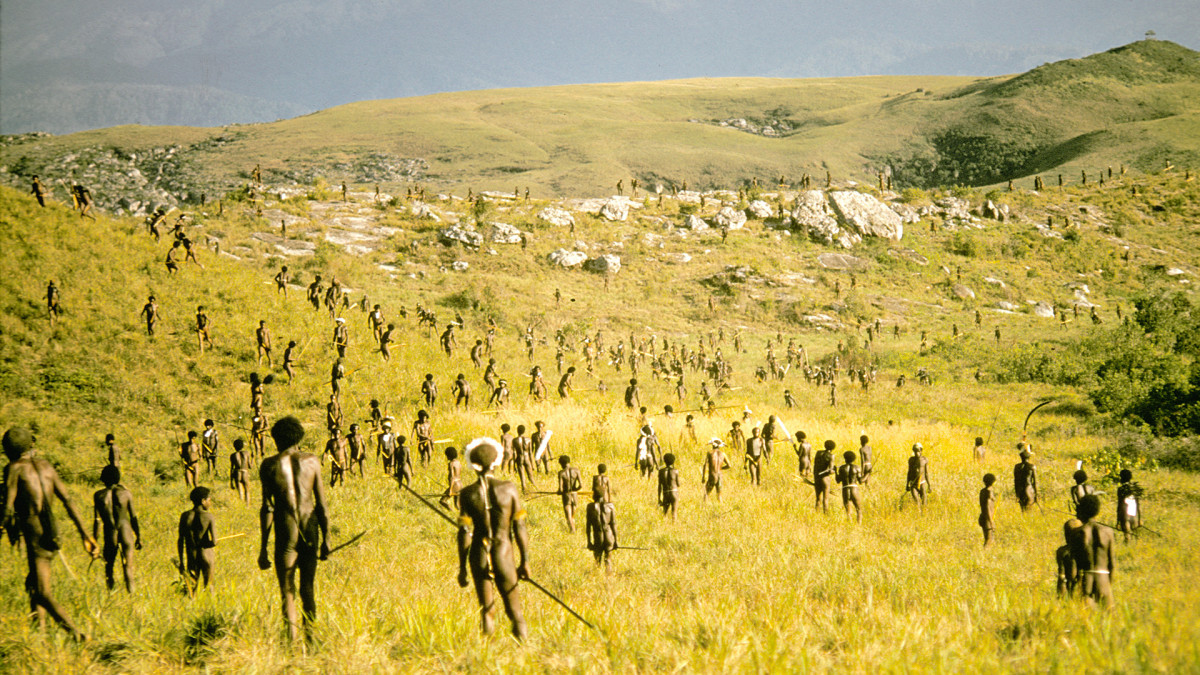
Expedition Content (2020), Dead Birds (1963)
Another highlight of the programme is a series of in-theatre "Listening Sessions". KAREL has collaborated with Taiwan-based sound artist Yannick DAUBY to curate a selection of sound works by artists from around the world. On May 2, 9, and 10, TIDF will showcase these works, inviting audiences to experience another world purely through their ears, opening new perspectives on the role of sound in documentary practice.
Audiovisual Variations and Revitalizations: From the Humanistic Gaze to Archival Re-creation
Through this systematic retrospective, TIDF also aims to highlight the diversity of approaches within SEL, showcasing how different filmmakers employ varied techniques and stylistic expressions. Set in a cable car ascending to a sacred temple in Nepal, Manakamana (2013) by Stephanie SPRAY and Pacho VELEZ quietly observes pilgrims and animals, revealing subtle moments of human connection and empathy. SPRAY’s solo work, Untitled (2010), dispenses with explanatory text altogether, gently capturing fragments of everyday life between a husband and wife.
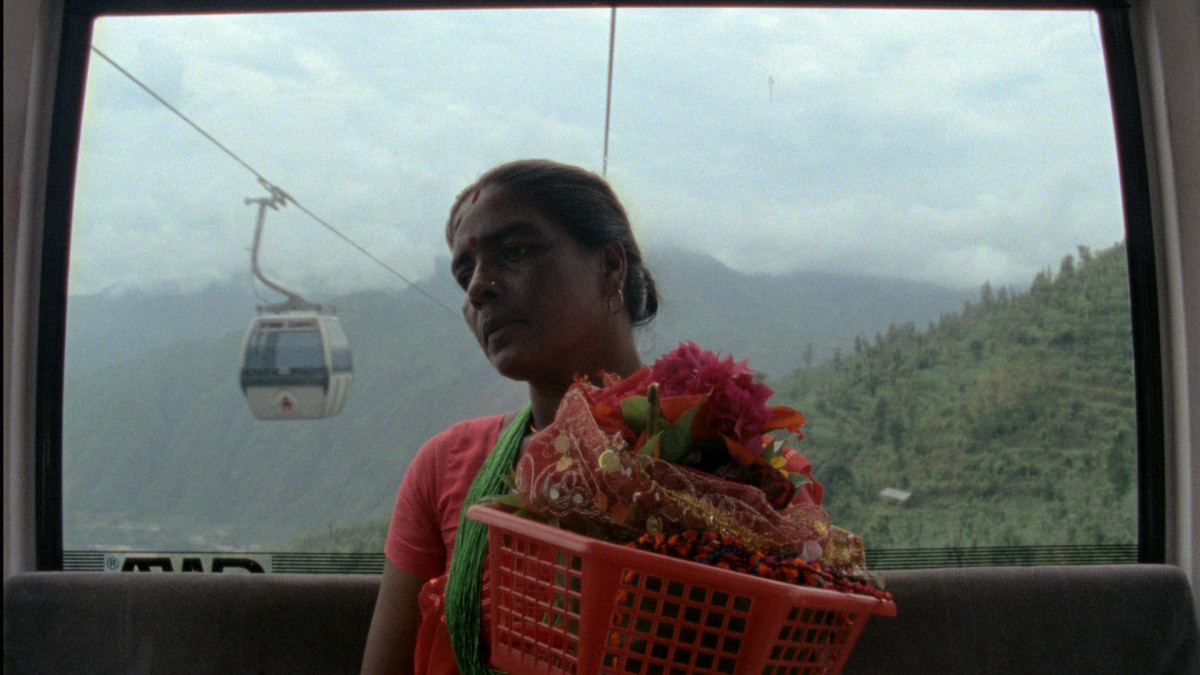
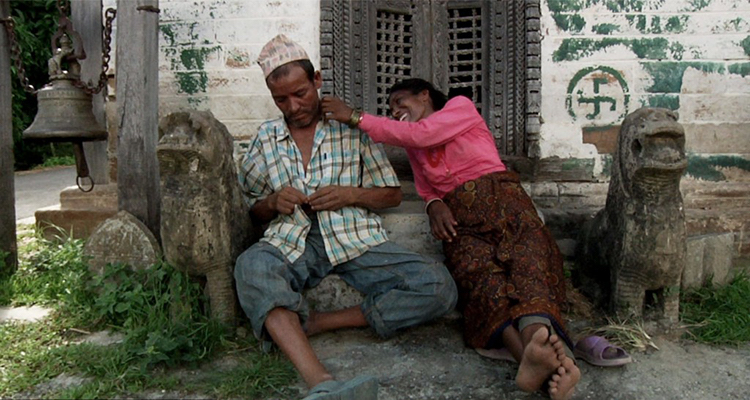
Manakamana (2013), Untitled (2010)
Also included in the programme is El Mar la Mar (2017), shot on 16mm film and addressing the issue of undocumented migration along the U.S.–Mexico border. The film received a Special Mention in the International Competition at the 11th TIDF in 2018, and director J.P. SNIADECKI will again be a guest at TIDF to take part in discussions with audiences.
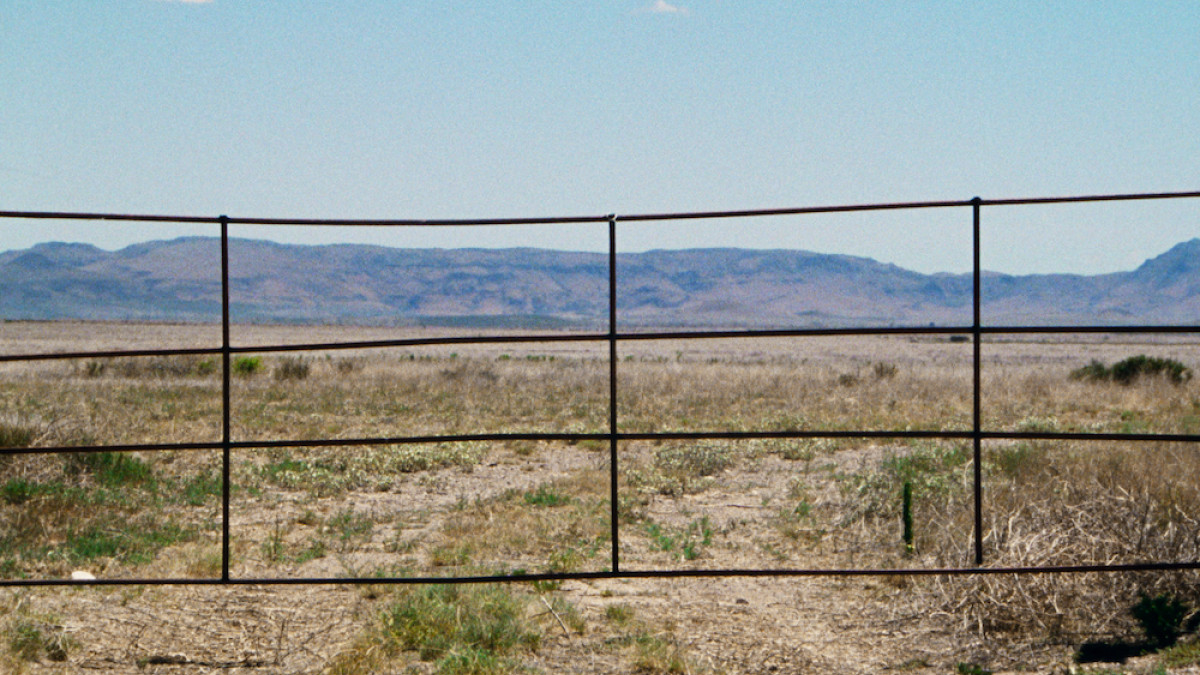
El Mar la Mar (2017)
Meanwhile, The Labyrinth (2018) by Laura HUERTAS MILLÁN and The A-Team (2021) by Nnenna ONUOHA demonstrate how filmmakers can creatively mobilize archival materials. In these works, old images, sounds, and even elements of soap operas are recontextualized, allowing archival fragments to come alive again in new and unexpected ways.
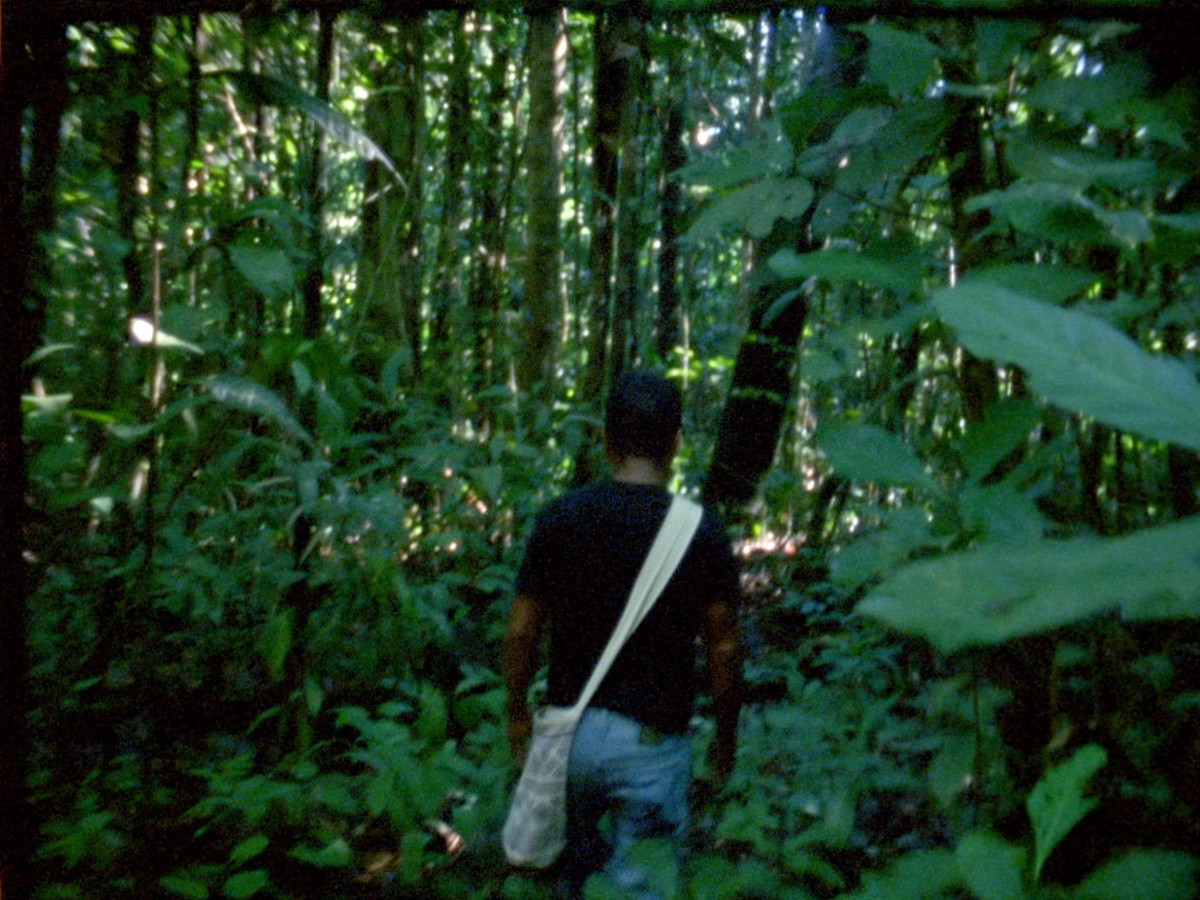
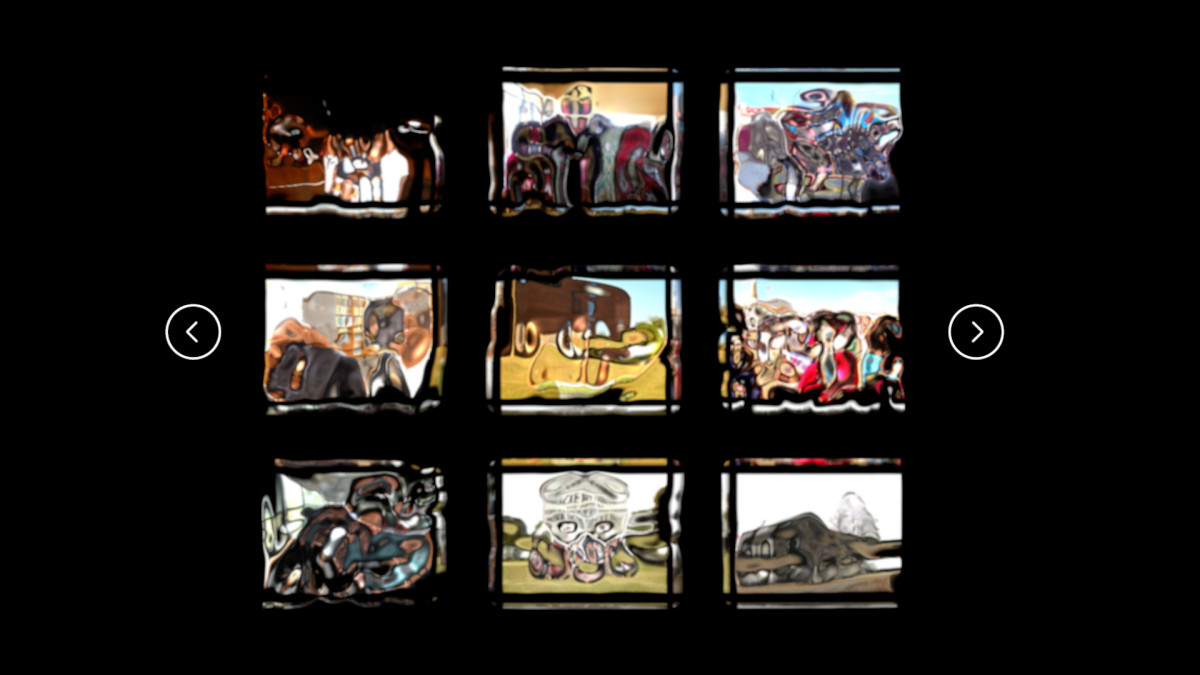
The Labyrinth (2018) , The A-Team (2021)
The 15th TIDF will be held from May 1st to 10th of this year, with screenings at TFAI, SPOT-Huashan, Shin Kong Cinemas Taipei, Taiwan Contemporary Culture Lab (C-Lab), bringing together 140 outstanding films from home and abroad. In addition to screenings and listening sessions, there will also be lecture performances and discussions, and similar events, all with the aim of enriching audiences’ conception of documentary through rich and diverse programming. More information regarding events and programming please stay tuned to the TIDF official website, Facebook page, X, and Instagram for updates.