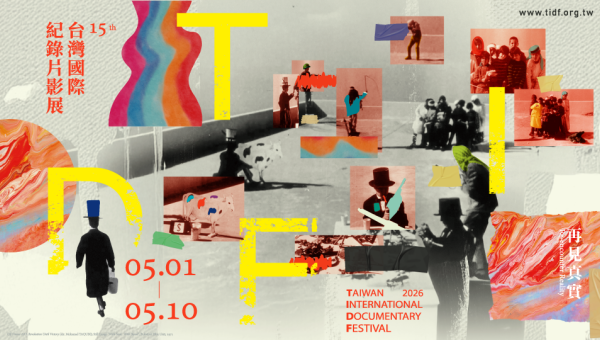
Taiwan on Screen: TIDF Presents Taiwan Spectrum | War memories, Shifting Identities
Organized by the Taiwan Film and Audiovisual Institute (TFAI), the Taiwan International Documentary Festival (TIDF) will take place from May 1 to 10, 2026. The Taiwan Spectrum programme “War Memories, Shifting Identities”—will offer in-depth explorations of Taiwan’s postwar history through documentary cinema. Bringing together rarely seen archival footage and newly restored works, the programmes revisit pivotal historical moments while opening up new perspectives on Taiwan’s evolving identities.
“War Memories, Shifting Identities” examines the experiences of Taiwanese soldiers under Japanese imperial rule and the postwar Nationalist government. By juxtaposing works from different eras, the programme explores how successive regimes have shaped personal experience, national consciousness, and identity. The selection spans nearly a century, ranging from colonial-era propaganda films to 1970s observational documentaries, from interview-driven works of the 1990s to more recent pieces representative of new directions in local filmmaking, bringing together a total of 12 films.
Taiwan Spectrum: 12 Films, Archival Encounters, Contested Histories
Bringing together 12 works spanning nearly a century, Taiwan Spectrum re-examines Taiwan’s complex historical trajectories through a dialogue between archival images and contemporary reflections.
Alongside several films previously featured at TIDF, the programme presents the world premiere of Archive: Li Guang-hui (1975–1979), composed of footage and rough-cut master tapes preserved by CHANG Chao-tang (1943–2024). It also marks the first theatrical screening in Taiwan of Japanese artist FUJII Hikaru’s Mujō (The Heartless) (2019/2026), alongside the seminal Asia Is One (1972) by Japan’s Nihon Documentary Union (NDU).
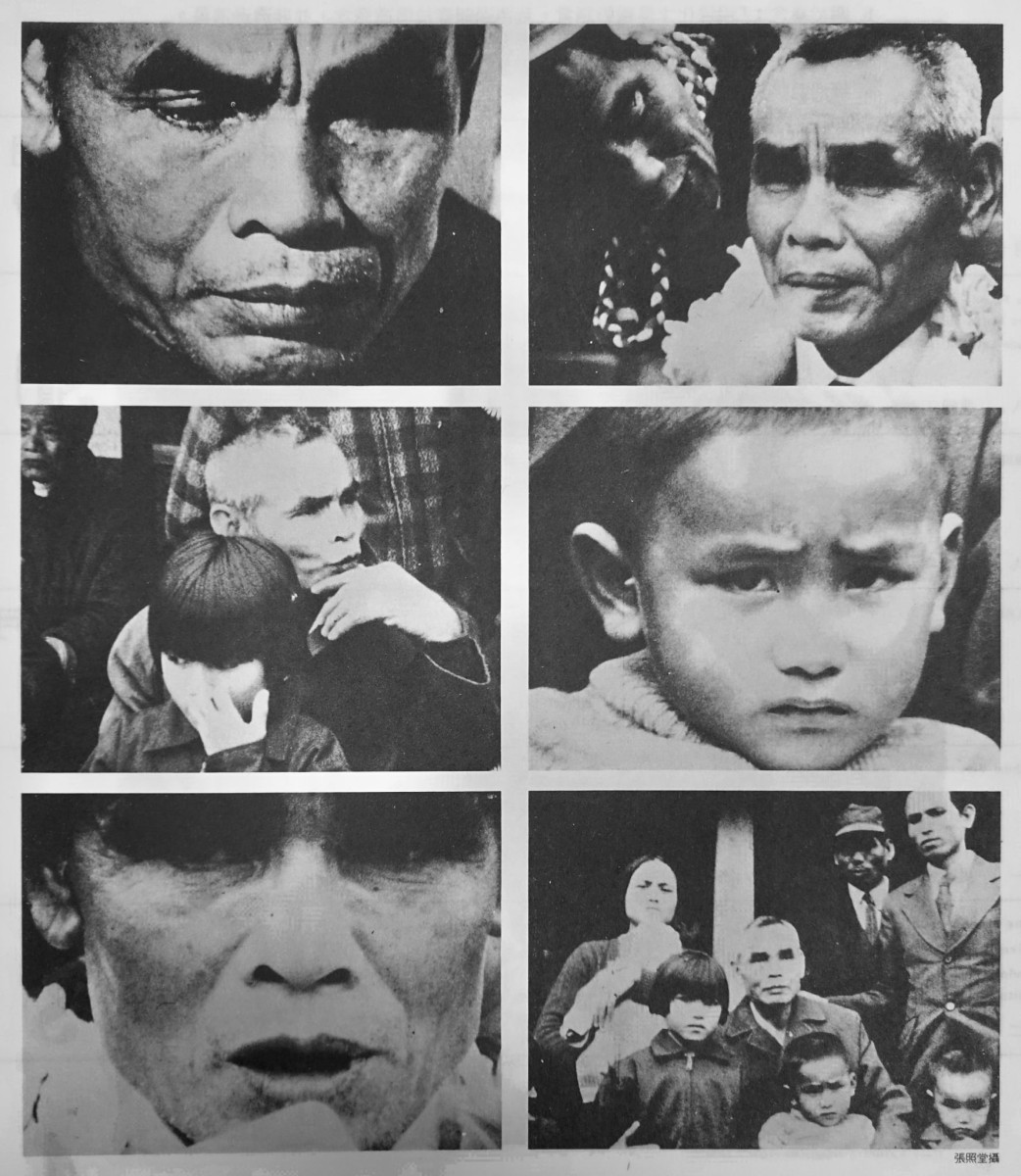
Archive: Li Guang-hui (1975–1979)
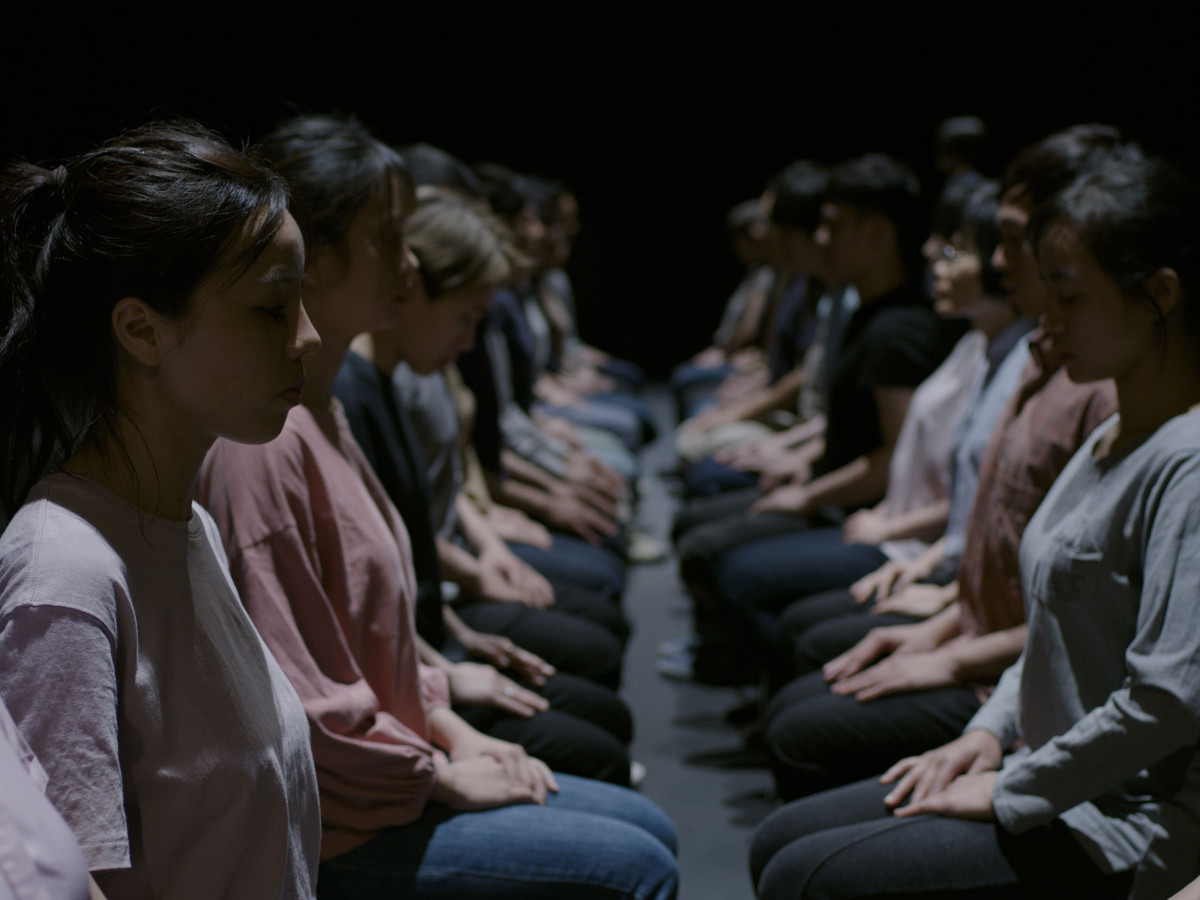

Mujō (The Heartless)(2019/2026) , Asia Is One(1972)
Re-encountering the Disciplined Body: Archival Images and Contemporary Intervention
Beginning with the disciplined bodies of Taiwanese subjects under Japanese rule, the programme draws on two archival films from the TFAI collection: Leaving for the Front Line, Spiritual Mobilization (1937) and Military Drill for Student Soldiers, Shinto Matsuri (c. 1942–1945). Beyond documenting wartime mobilization and Japanization policies, these works reveal how militarism permeated everyday life.
In dialogue with these works, FUJII Hikaru’s multi-channel Mujō (The Heartless) critically re-enacts the 1943 propaganda film Kokumin Dojo (Civilian Training Centre), exposing how both body and mind were shaped under militarist ideology. For this edition, FUJII has created a special cinematic version, offering a viewing experience distinct from its original installation format.

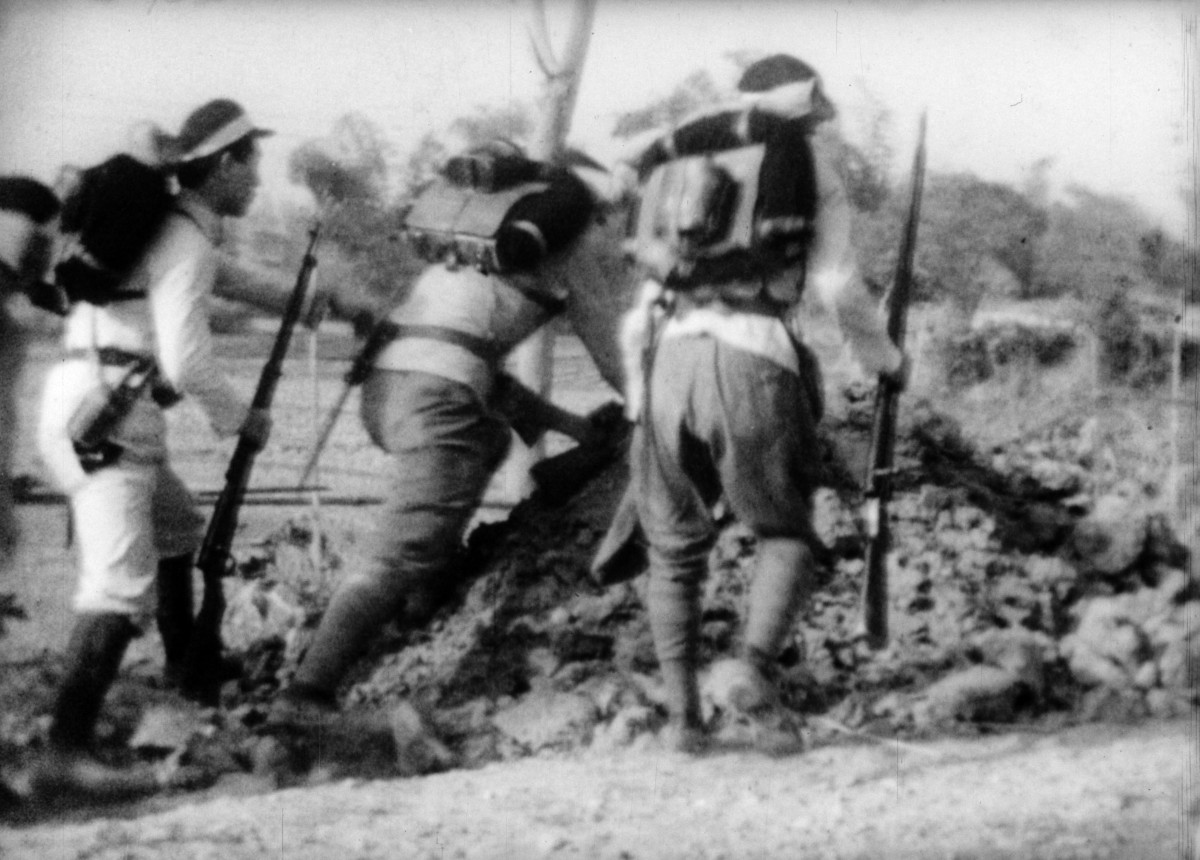
Leaving for the Front Line, Spiritual Mobilization(1937)、Military Drill for Student Soldiers, Shinto Matsuri(c.1942-1945)
Revisiting Mobilization: Filmmakers Reclaiming History
From the 1990s onward, amid a growing awareness of local identity, Taiwanese filmmakers began re-examining history through personal narratives and social reportage. Moving beyond official accounts, these works reclaim the authority to interpret the past while preserving vital first-hand testimonies.
What became of the young men mobilized under Japanese rule? A Taiwanese Teikoku Kunjin (1993), directed by HUNG Pei-ying, interviews five former Taiwanese Japanese soldiers from diverse units and backgrounds.
Heat Sun (2008) follows Taiwanese men once sent to North Borneo as prison camp guards—later labeled “war criminals”—as they continue, late in life, to seek justice from Japan, evoking a Taiwanese counterpart to KAZUO Hara’s The Emperor’s Naked Army Marches On (1987).
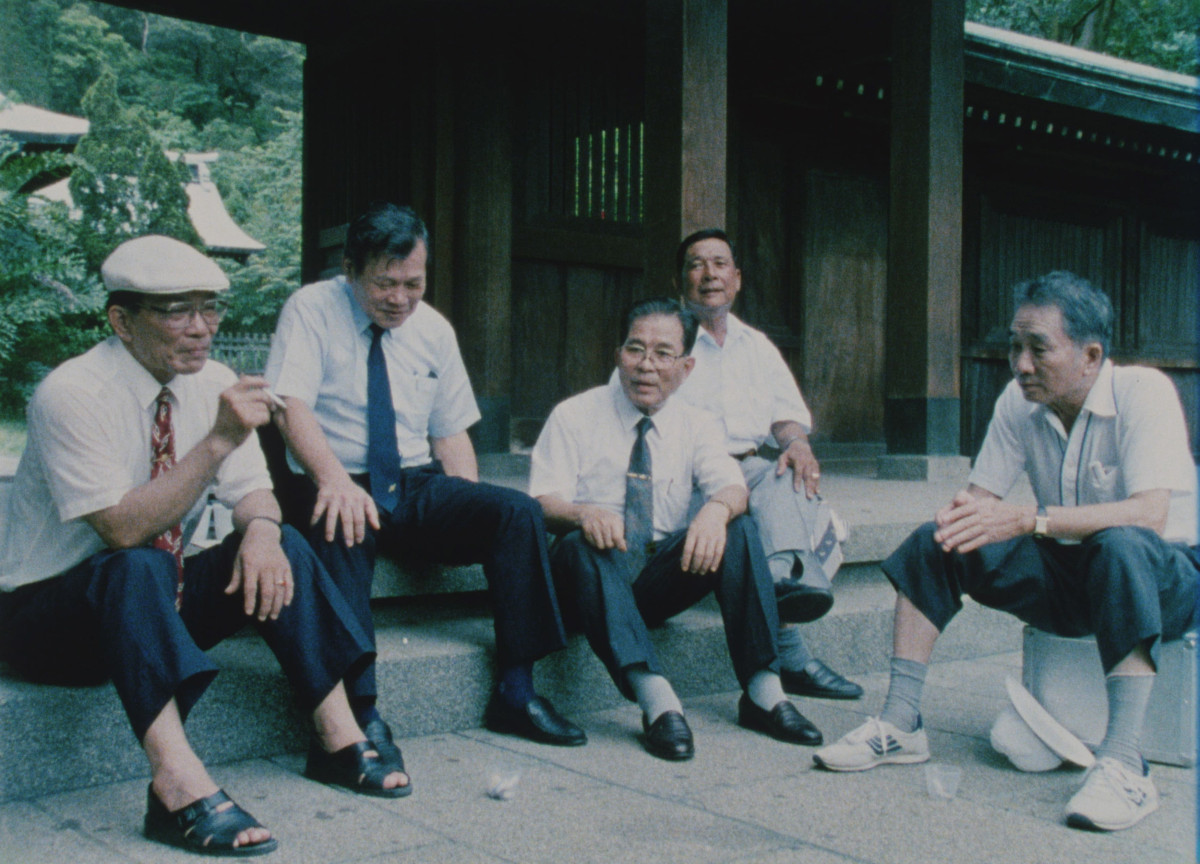

A Taiwanese Teikoku Kunjin(1993), Heat Sun(2008)
Director KUO Liang-yin approaches different eras of state mobilization from a grassroots perspective. Shonenko (2006) traces Taiwanese youth conscripted into Japanese naval factories, weaving archival material with oral histories, while Suspended Duty: Taiwan Military Training Regiment (2010) revisits the postwar anti-Communist period through a satirical, propaganda-inflected lens.

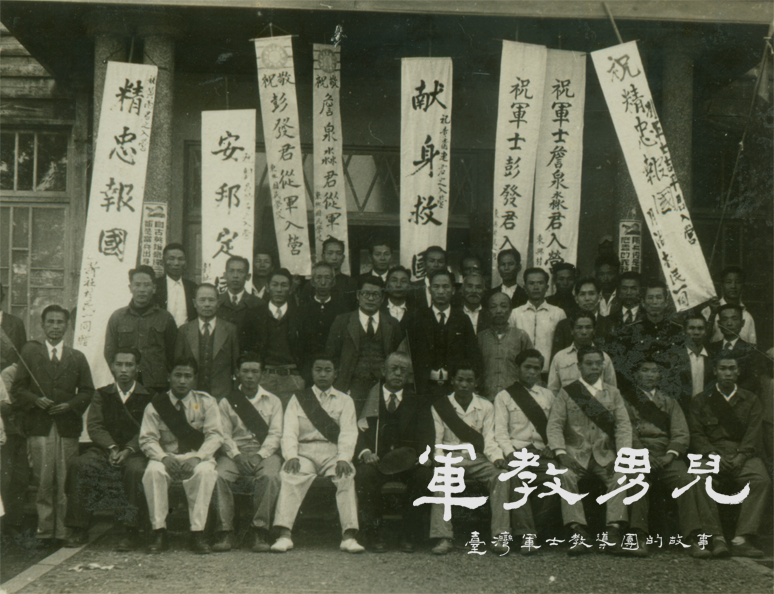
Shonenko(2006), Suspended Duty: Taiwan Military Training Regiment(2010)
Dispersed Lives: Indigenous Soldiers and Wartime Legacies
Under Japanese rule, Taiwan’s Indigenous peoples were often subjected to particularly harsh conditions. A striking case is LI Guang-hui, an Amis man who, after serving as a Taiwanese Japanese soldier, remained hidden in the jungles of Indonesia for nearly three decades after the war. Archive: Li Guang-hui (1975-1979) brings together newsreel-style footage documenting fragments of his life—from his return to Taiwan in 1975 to his later years—revealing a life suspended between histories. Preserved within the archives of late director CHANG Chao-tang, these long-unseen images are now brought back into view.
From the Dulan community in Taitung, Amis artist Siki Sufin guides a search for those who never returned. In How Long Is the Road (2006), director TANG Shiang-chu travels to China in search of missing veterans, while Wings of Takasago (2016) by Futuru C. I. TSAI follows efforts to commemorate Indigenous youth who died in the Pacific War, tracing paths of remembrance across borders.
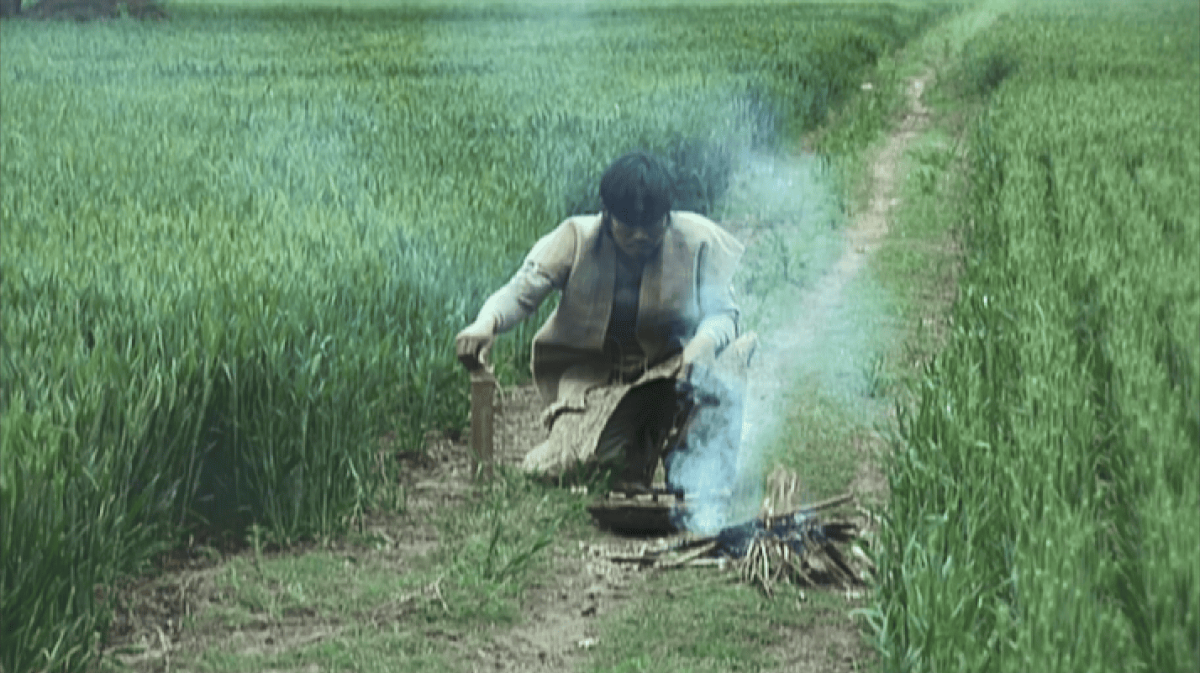

How Long Is the Road(2006), Wings of Takasago(2016)
Across Islands: Reframing Wartime Memory
LAU Kek-huat’s five-hour film Island to Island (2024), which served as curatorial inspiration for this programme, offers a sweeping re-examination of Taiwanese Japanese soldiers and their entanglement in contested historical events, confronting the tensions between simultaneously being a “perpetrator” and a “victim” that dominant historical narratives often leave unaddressed. Meanwhile, Asia Is One (1972)—produced by Japan’s Nihon Documentary Union and named after a slogan appropriated by Imperial Japan—offers a critical Japanese perspective. Tracing the displacement and forced mobilization of diverse ethnic groups across Okinawa, the film ultimately arrives in Taiwan, culminating in an encounter in a Tayal village in Nan’ao with former members of the Takasago Volunteer Corps—capturing precious images of Indigenous veterans in the postwar era.
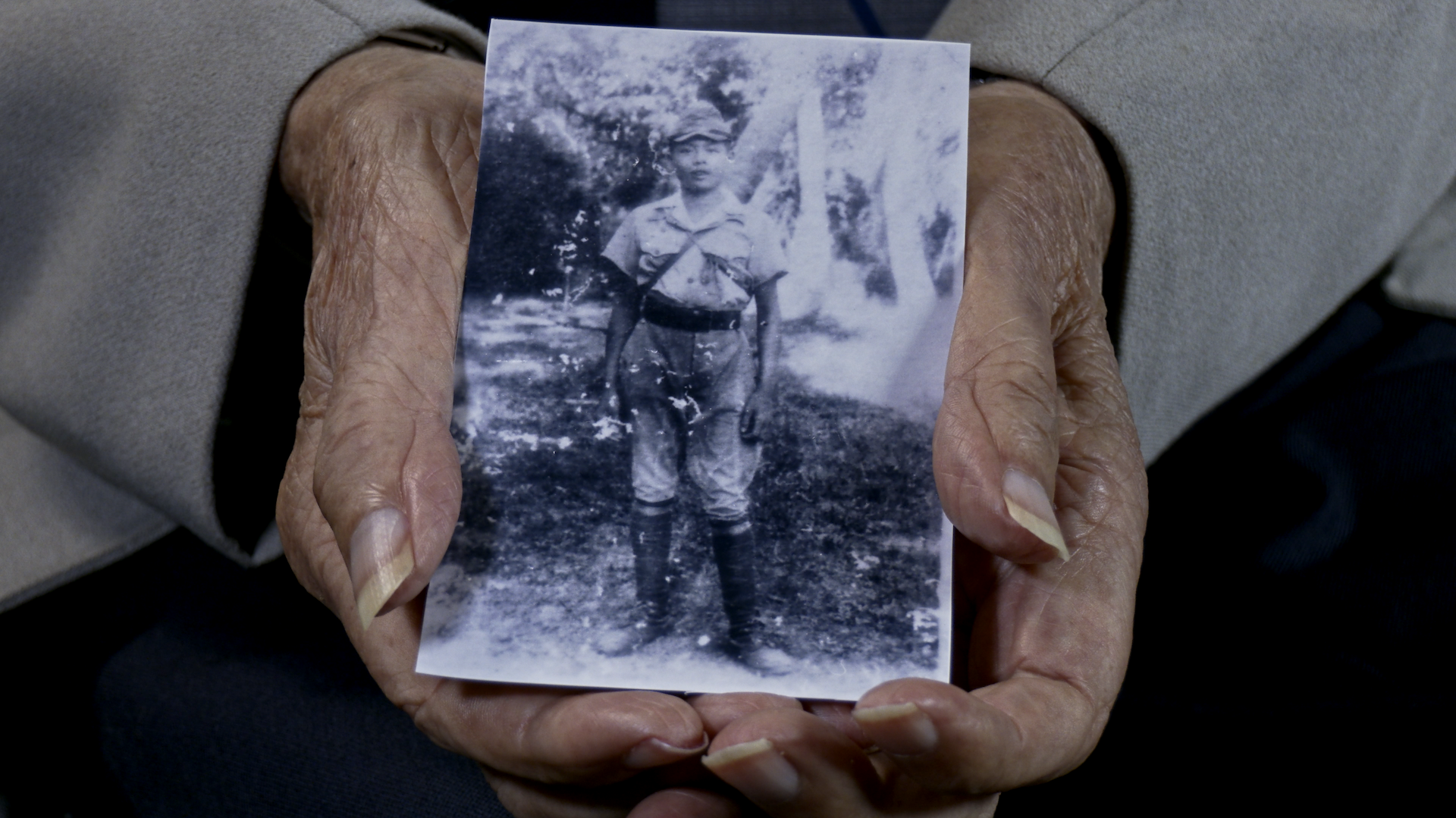
Island to Island(2024)
The 15th Taiwan International Documentary Festival (TIDF) will take place from May 1 to May 10 at the Taiwan Film and Audiovisual Institute, Shin Kong Cinemas Taipei Lion’s , SPOT Huashan, and Taiwan Contemporary Culture Lab (C-LAB), among other venues.
Tickets can be purchased via OPENTIX, with single tickets NT$120 and six-film packages NT$420. For more information and ticket bookings, please visit TIDF website, Facebook ,Instagram and Threads.