
Kuo Liang-yin began her career as a director and producer at Taiwan Public Television Service and holds an MFA from the USC School of Cinematic Arts. Since 2000, she has collaborated with Fujita Shuhei on documentaries and a narrative feature, exploring personal histories shaped by war and regime change, and re-examining Taiwan's past before and after the Second World War through intimate, human-centred perspectives.
Shonenko
Shonenko




Shonenko
Synopsis
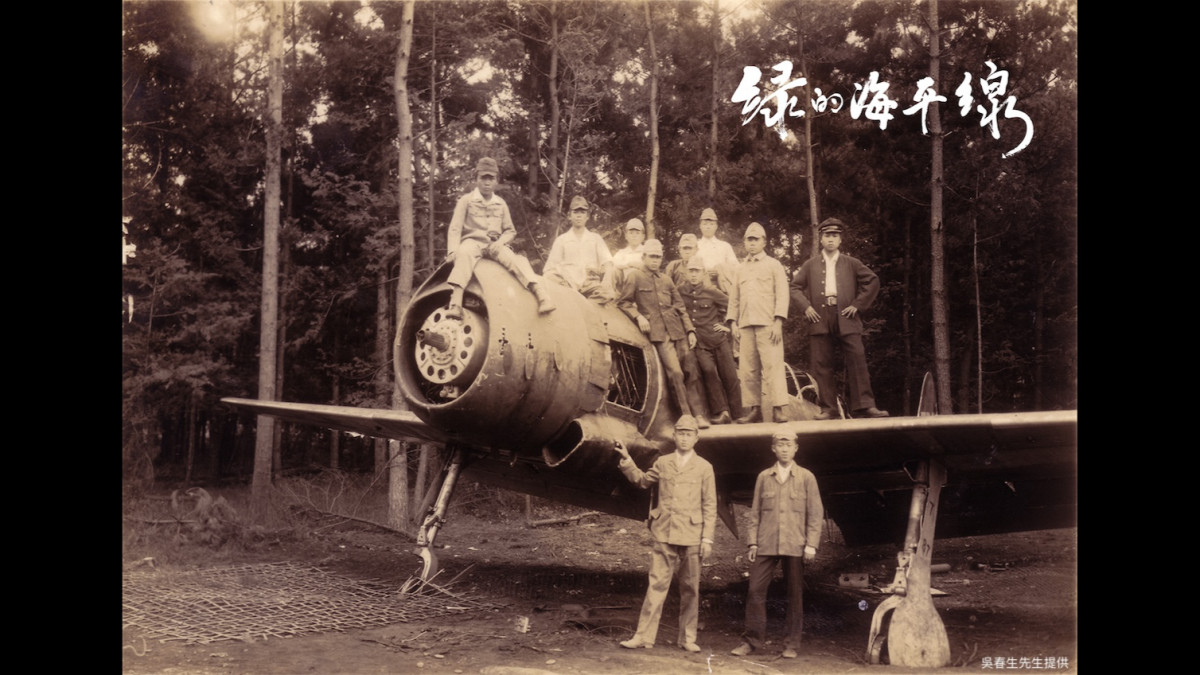
Shonenko documents 8,419 Taiwanese teenagers mobilised to Japan to manufacture military aircraft during the Second World War. Drawn by promises of education, they were later caught amid post-war politics and shifting regimes in Taiwan, Japan, and China. The film brings into focus quiet endurance, fractured belonging, and personal histories long left untold.
Kuo Liang-yin: 'Twenty years have passed since the premiere of Shonenko. I once thought the film was about "parting", but now I feel it is about "encounters". People meet again through the search and re-presentation of archives, old photographs and historical footage, and through exchanges between the former Shonenko [naval child labourers], the filmmakers and the audience across borders, time and distance.
When the film was first made, it was still the era of dial-up internet — there were no digital archive databases, no Google Maps, no smartphones. We filmed on videotape, and hard drives were small and costly. I cherish all these "encounters".
Shonenko has never been an easy film to watch. For young audiences today it may be even more demanding, but I hope this can be understood as part of its value. I am glad to know Shonenko is once again meeting audiences in Taiwan after all these years. I also wish to take this opportunity to express my deepest respect to the former Taiwanese Shonenko.’
Festivals & Awards
2006 Special Jury Award, Taipei Film Awards
2008 Grand Prize, Golden Harvest Awards
Director's Profile
KUO Liang-yin
Filmography
2003 Searching for the Zero Fighters
2004Quiet Summer
2006 Shonenko
2010 Suspended Duty: Taiwan Military Training Regiment
2016 Wansei Painter: Tetsuomi Tateishi

Credit
Executive Producer/Editor|KUO Liang-yin, FUJITA Shuhei
Producer|FUJITA Shuhei, Yann Shan TSAI
Cinematographer|Asio LIU
Narration|LIM Giong
Composer|Tibor SZEMZŐ
Print Source
KUO Liang-yin