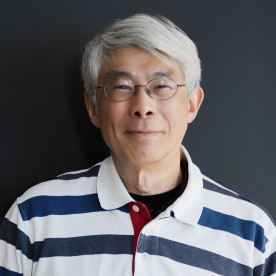
Educated at National Taiwan University and Temple University (MFA), Lee Daw-ming (b. 1953) is a Taiwanese filmmaker, scholar, and educator whose work spans documentary, fiction, animation, and television. His award-winning films bear witness to Taiwan’s ethnic communities and social transformations before and after martial law. A longtime advocate of documentary research and education, he received the TIDF Outstanding Contribution Award in 2022.
Voice of the People
Voice of the People





Voice of the People
Synopsis
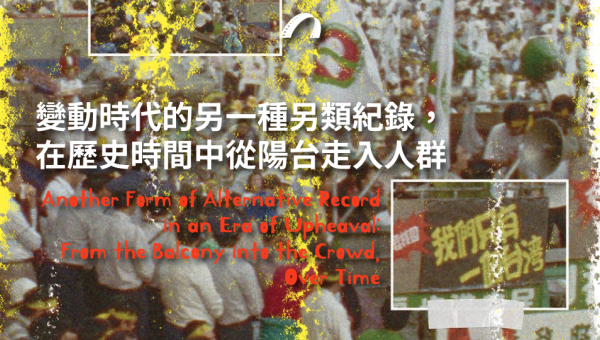
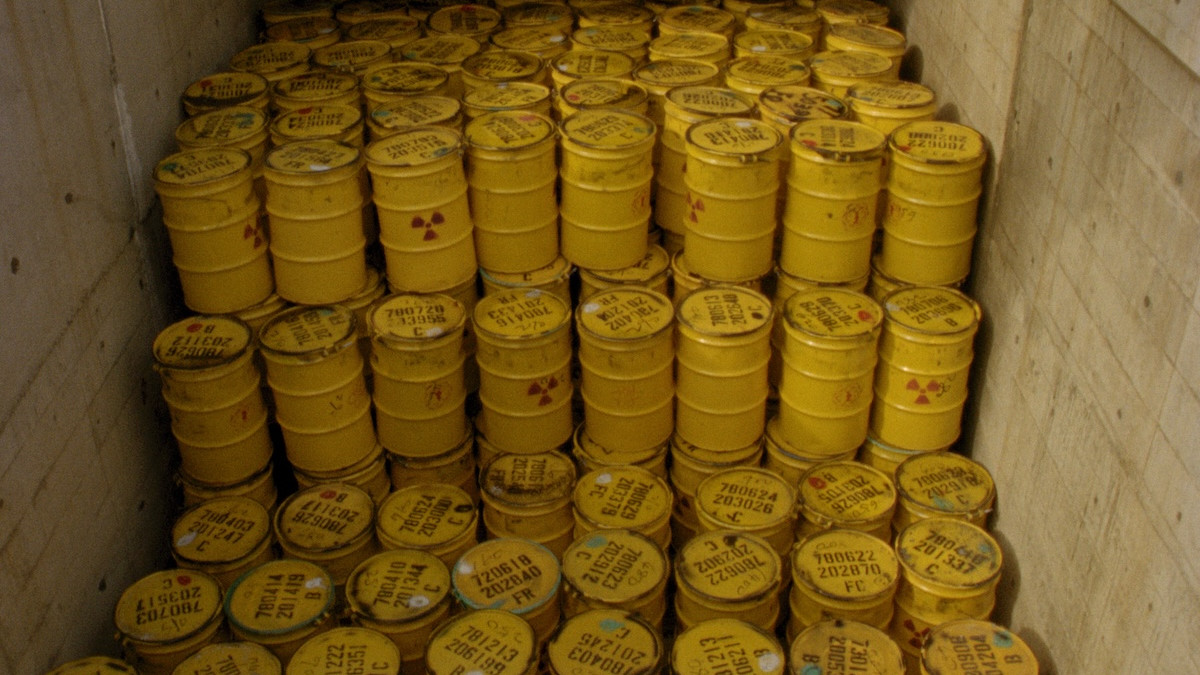
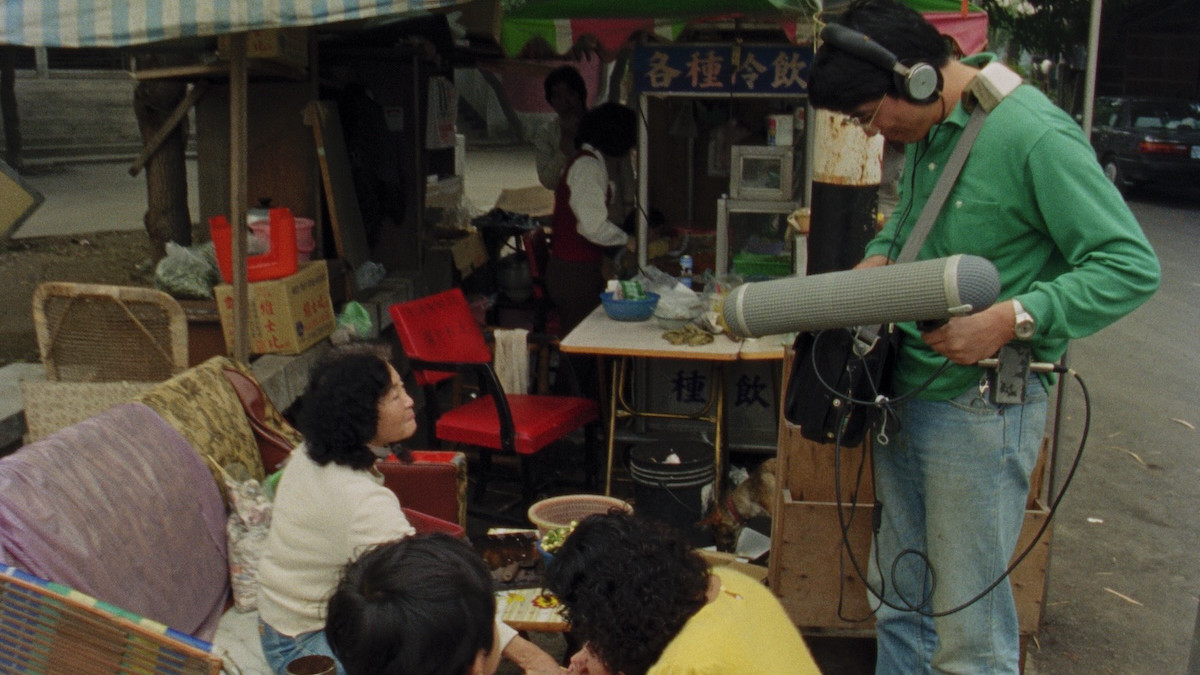
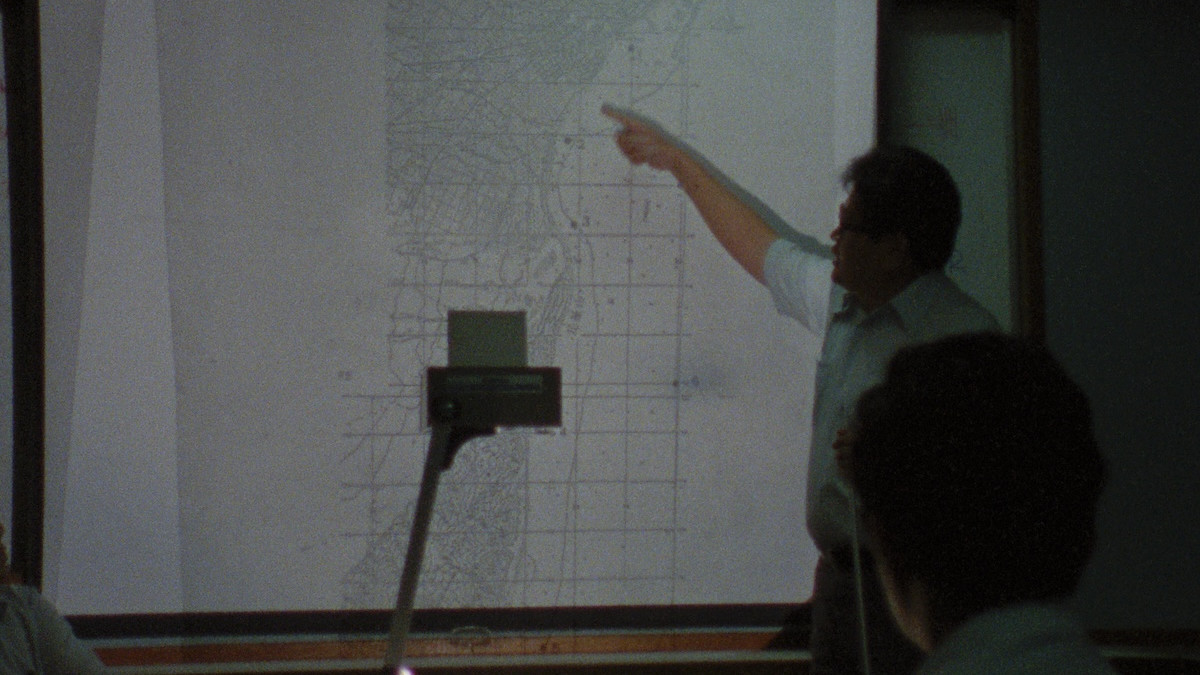
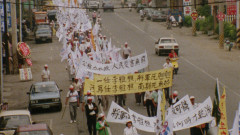
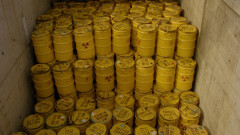
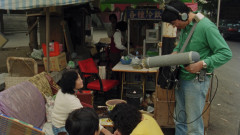
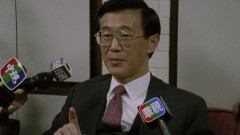
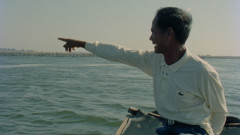
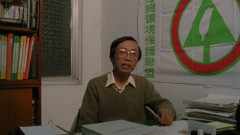
After martial law was lifted, decades of industrial pollution ignited social movements across Taiwan. Re-editing material suppressed from broadcast, Lee Daw-ming documents four landmark struggles — from the Hualien pulp mill and Houjin’s fifth naphtha cracker to Tainan pig-farm pollution and the anti-Fourth Nuclear Power Plant campaign — capturing collective resistance and enduring human values of the late 1980s.
Lee Daw-ming: ‘During the production of Voice of the People, I made a deliberate choice from the outset to stand on the side of environmental activists. The film centres on them and is made for them; it is very much a social movement documentary. On the surface it appears to give voice to both sides, but this is a false balance, a false neutrality. Official statements are included only as dialectical counter-examples. If this illusion is not dispelled, it becomes difficult to grasp the film’s true intention.In fact my idea was rather simple. From the environmental movements in Taiwan two or three years before making the film, I selected four cases and brought them together to form a map of Taiwan’s environmental problems. My account of real events is biased — but I also make that bias visible, presenting it systematically for the audience to see.’— Excerpted from ‘A Filmmaker Speaking from the Balcony — Also on My Experience of Making Social Movement Documentaries’, Council for Cultural Affairs, Documenting Taiwan: A Bibliography and Anthology of Research and Writings on Taiwanese Documentary Film, June 2000, pp. 346–357.
Festivals & Awards
1991 Yamagata IDFF
1991 Best Documentary Film, Golden Horse Awards
Director's Profile
LEE Daw-ming
Filmography
1982 Oh Where, Oh Where Has My Little Dog Gone?
1982 In the Beginning
1983 Ayako and Joe
1984 Growing Up in the Promised Land
1984
1986 Beyond the Killing Fields: Refugees on the Thai-Cambodian Border
1988 The Suona Player
1988 Songs of Pasta'ay
1990 Beyond the Anti-DuPont Movement: Portraits of Some Social Activists
1991 Voice of the People
1993 The Austronesian Peoples of Taiwan
1994 Sakuliu
1994 《永遠的部落:雲豹民族的故鄉》
1995 《中國人的天文觀念與水運儀象臺》
1997 《小陶壺森林奇遇記》
1997 《尋根溯源話南島》
1997 《臺灣史前文化尋根之旅》
1997 Songs of the Mountain, Dances of the Ocean: Music and Dance of the Indigenous Peoples of Taiwan
1999 The Last Chieftain
1999 Tamsui River
2000 「人民的聲音」系列
2000 《臺灣原住民從那裡來?》
2001 Tsuenu, the Way
2001 《亞洲放逐:拿生命搏一個未來》
2002 Rebuilding the Kuba: Tufuya
2002 Rebuilding the Kuba: Tapangu
2002 《文化南島之旅:臺灣原住民的文化與藝術》
2003 Shattered Dreams
Credit
Producer/Editor|LEE Daw-ming
Cinematographer|LIN Jian-shiang, LEE Daw-ming, LEE Yung-chuan
Sound Recordist|CHEN Yi-ling, LEE Daw-ming, CHEN Hui-wen, CHIOU Hong-jay, LEE Li-wey, TU Duu-chih, Ray JIING
Mixing Engineer|TU Duu-chih
Print Source
TFAI|service@tfai.org.tw