Tintin Wulia (b. 1972, Bali, Indonesia) trained as a composer and architect before completing a practice-based PhD in art at RMIT University in 2014. Her participatory works explore geopolitical borders through games and social interaction. Working across installation, mural, video, sound and performance, she repurposes everyday systems and materials, reflecting on globalised production and manual labour. Wulia has exhibited widely at major biennales, and her works are held in international museum collections.
Ketok
Ketok





Ketok
Synopsis
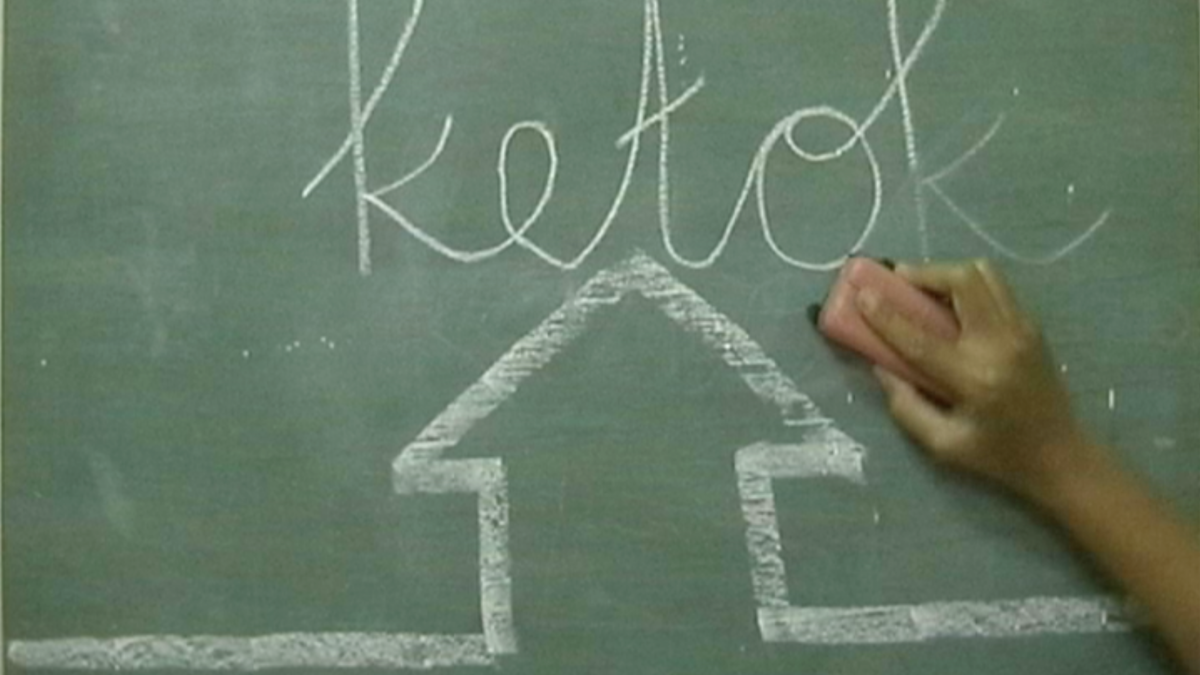
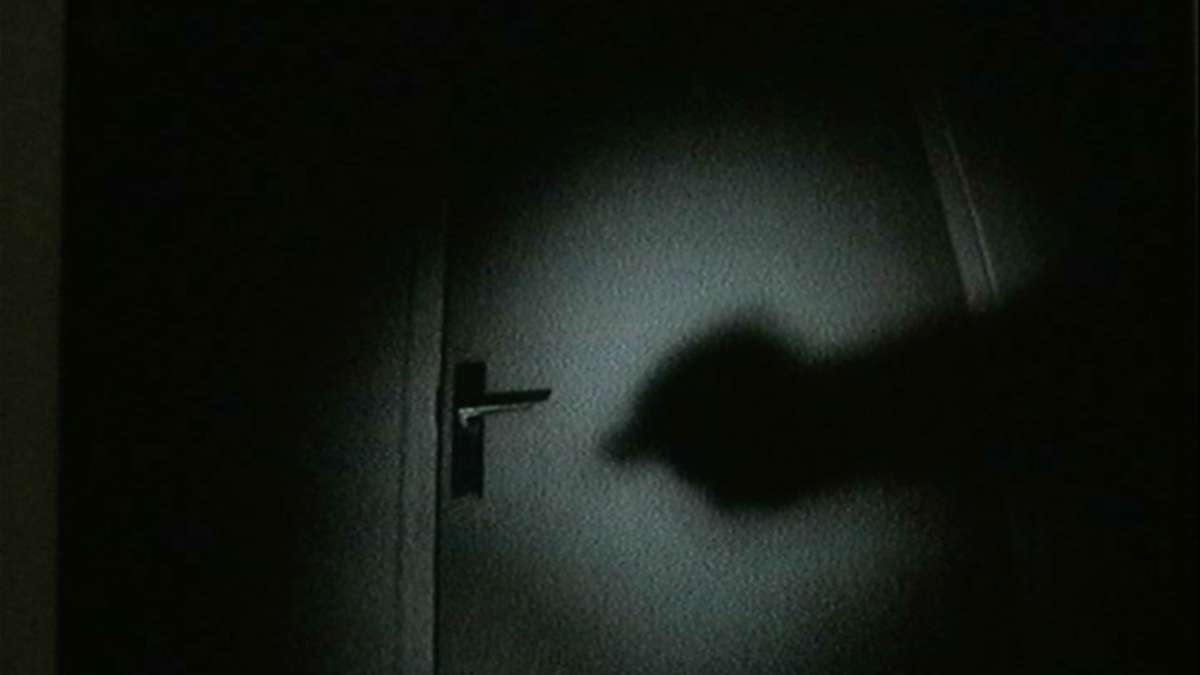
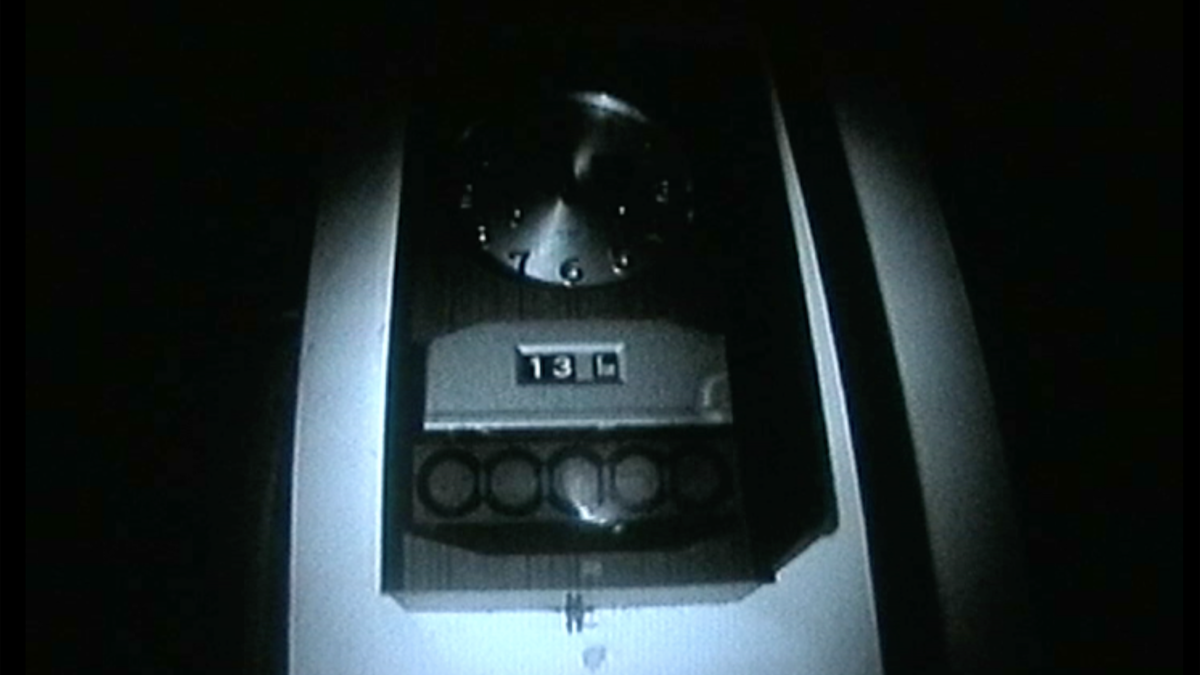
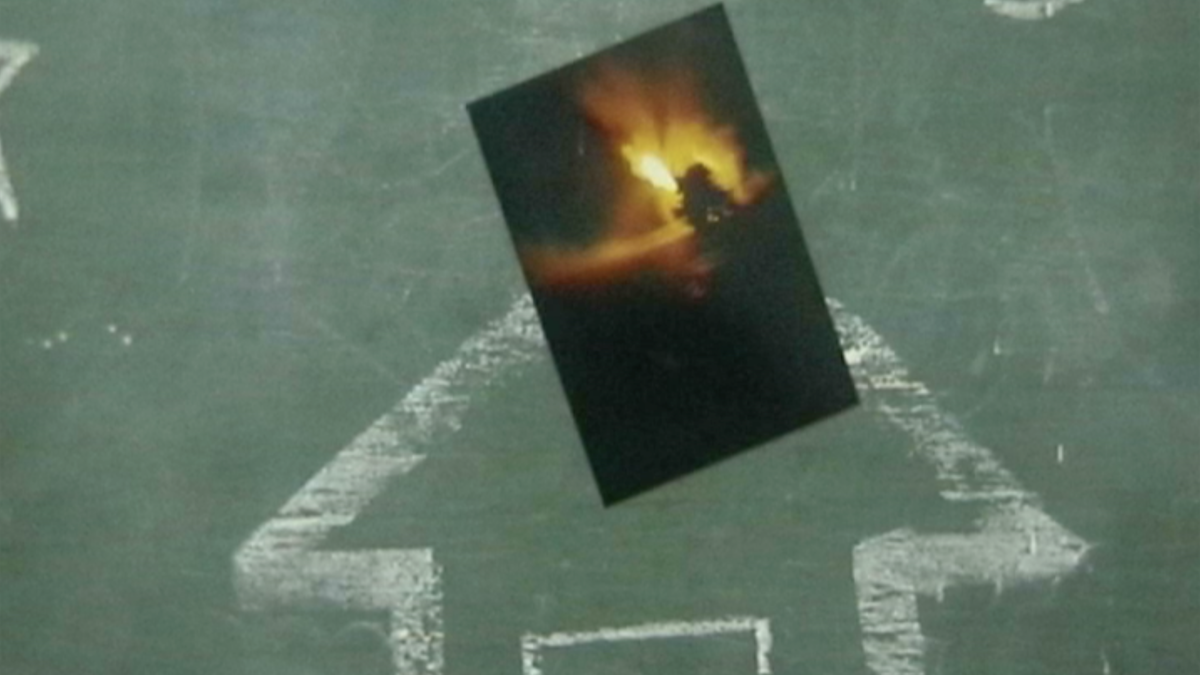
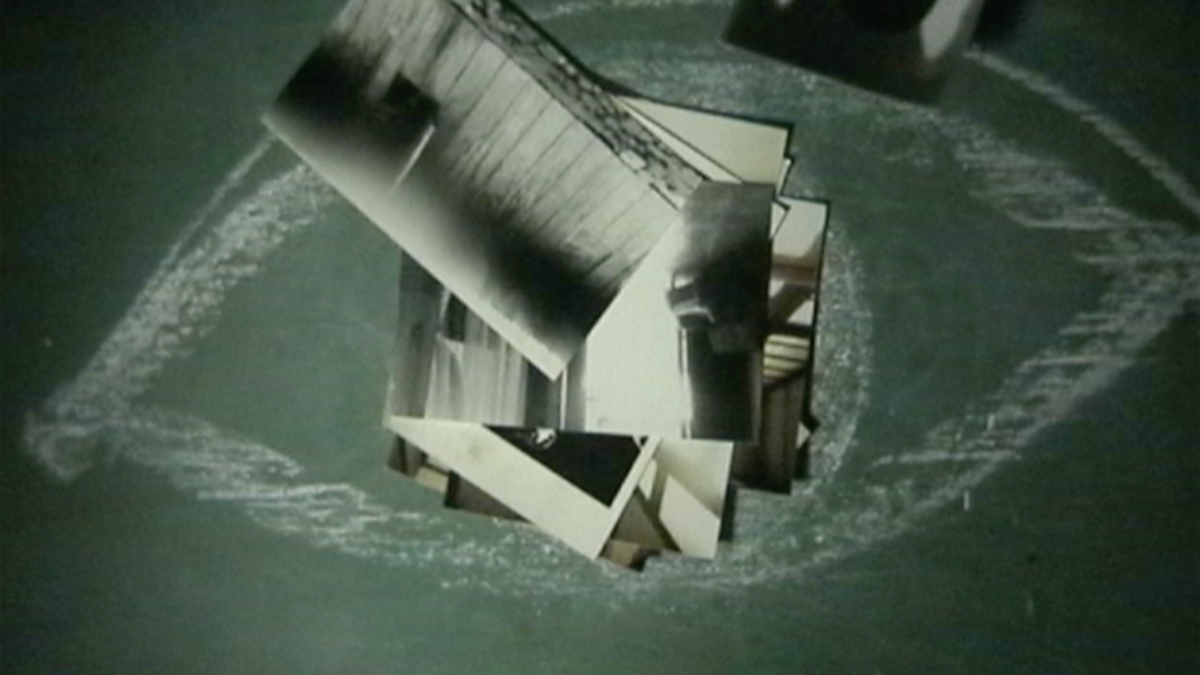
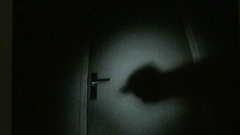
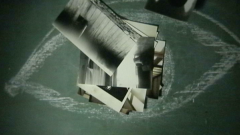
One night, a woman hears a mysterious knock at her door. On another night, her husband hears the same sound. This short film recounts their story in Indonesian, drawing on local cultural references and a distinct visual language the filmmaker associates with Indonesia's deeply rooted culture of fear.
Tintin Wulia: 'My family never talked much about 1965 [The 1965 Indonesian mass killings were a political purge associated with efforts to eliminate the Indonesian Communist Party (PKI).], but I knew their house had been looted and burnt down. I was born seven years later and therefore had no memory of the facts. Yet, however well the facts were hidden, the memory of feelings kept lingering within my family. I grew up with these memories, of which the most subtle, yet perhaps strongest, was the memory of fear.
Ketok (2002), another of my short films, was intended, amongst other things, to poke fun at the then-popular horror TV series in Indonesia. The film was an amusing hit with Indonesian audiences. However, a few non-Indonesian viewers asked whether the events of September 1965 lay behind the light-hearted story. Apparently, in making the film, I utilised the language of horror I was most acquainted with, the core of which might have originated in 1965.
Growing up with the memory of feelings but without a memory of the facts was comparable to growing up injured without knowing where the wound was or how it happened. Under such circumstances, it was almost impossible to revisit the source of the injury and take steps towards healing it. The Jakarta riots of May 1998 enabled me to connect this memory of feelings with some possibilities of facts. I thought perhaps what happened to many families in 1998 was similar to what happened to my family in 1965.’
— Excerpted from Tintin Wulia, 'The name game', Inside Indonesia, 93: Jul-Sept 2008
TIDF Article|Videotage × Forum Lenteng: Scales of Passage
Co-curated by| 
Supported by| 
The Hong Kong Arts Development Council supports freedom of artistic expression. The views and opinions expressed in this project do not represent the stand of the Council.
Festivals & Awards
2003 SGIFF
2005 Yokohama Triennale
Director's Profile
Tintin WULIA
Filmography
2000 Are You Close Enough
2000 Violence Against Fruits
2002 Slambangricketychuck
2002 《叩叩》Ketok
2003 Everything’s OK
2003 Where Do You Originally Come From
2005 Setelah 40 Tahun: Kebebasan Berbicara
2005 The Date

Credit
Scriptwriter/Editor/Cinematographer/Sound|Tintin WULIA
Print Source
Tintin WULIA
Shown in...
Videotage × Forum Lenteng: Scales of Passage