
Born in 1976, Tokyo-based artist and filmmaker Fujii Hikaru was educated at ENSAD (Paris) and Université Paris 8. He creates socially informed video installations and films grounded in extensive research and fieldwork. His practice explores modern education, social systems, and museum institutions in Japan and Asia, reinterpreting historical and political structures from contemporary perspectives. His works have received international and domestic recognition, including the Nissan Art Award Grand Prix (2017).
Mujō (The Heartless)
Mujō (The Heartless)
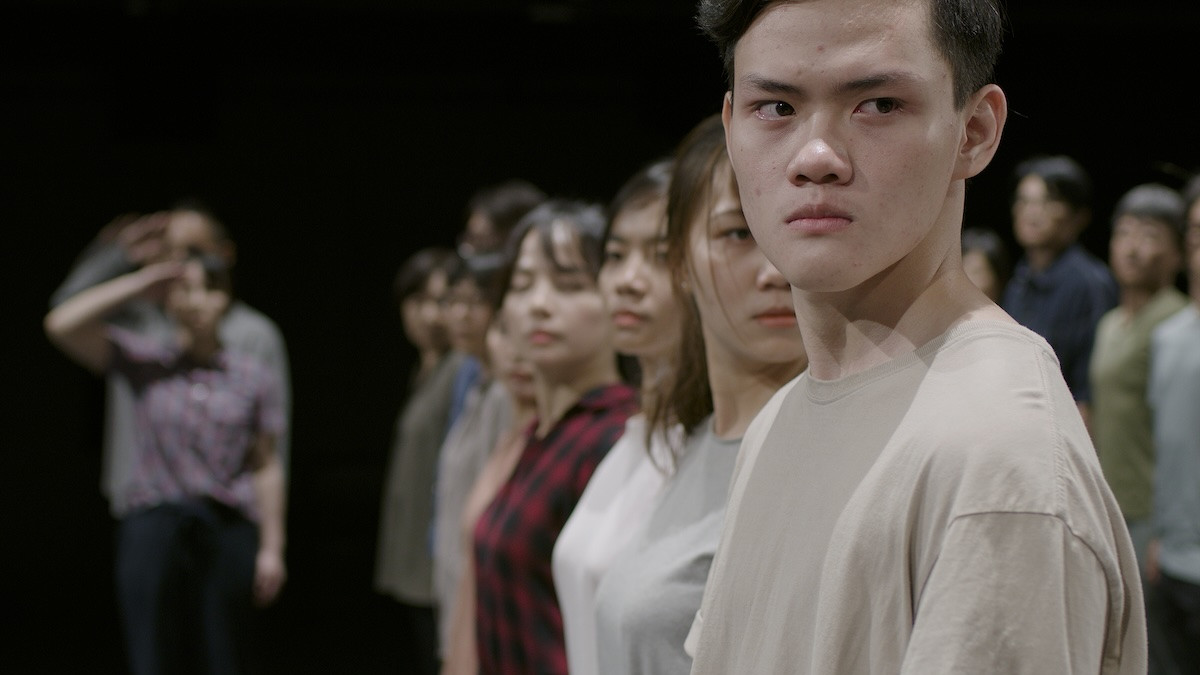
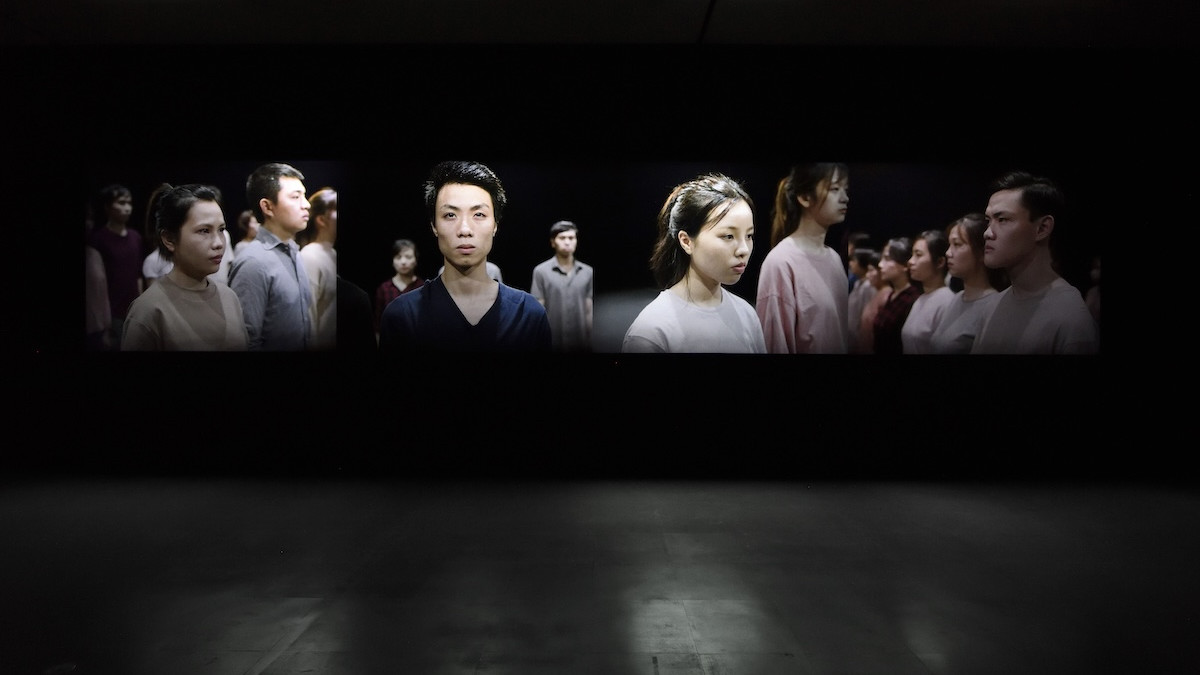
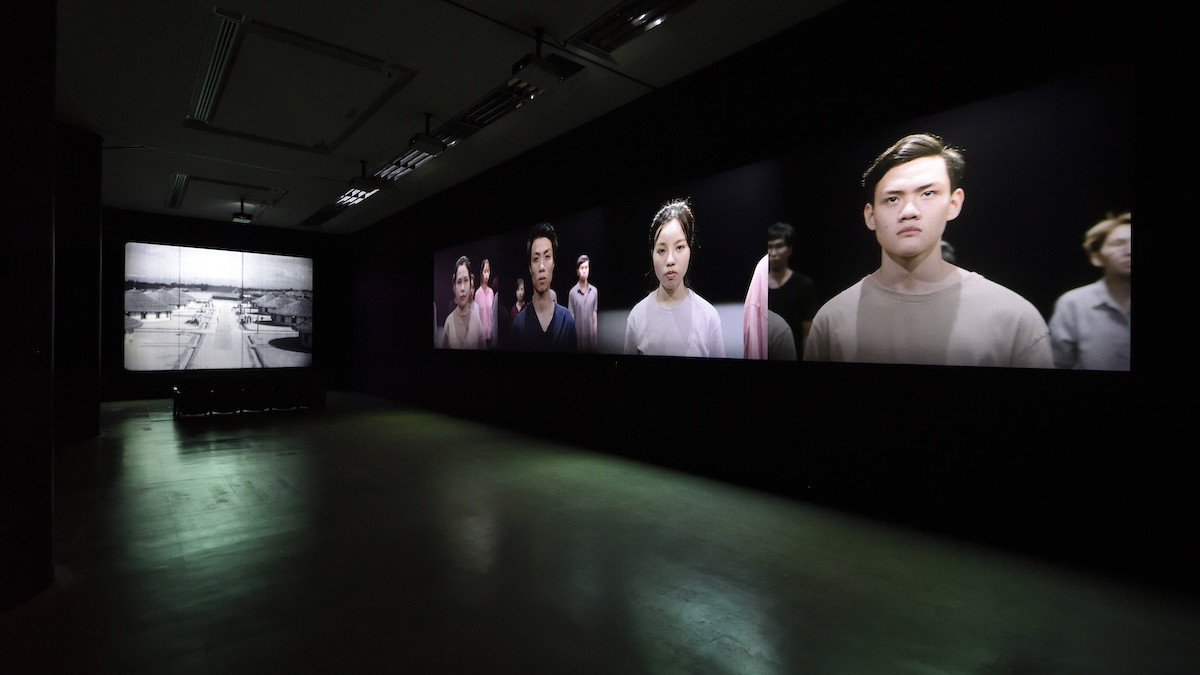



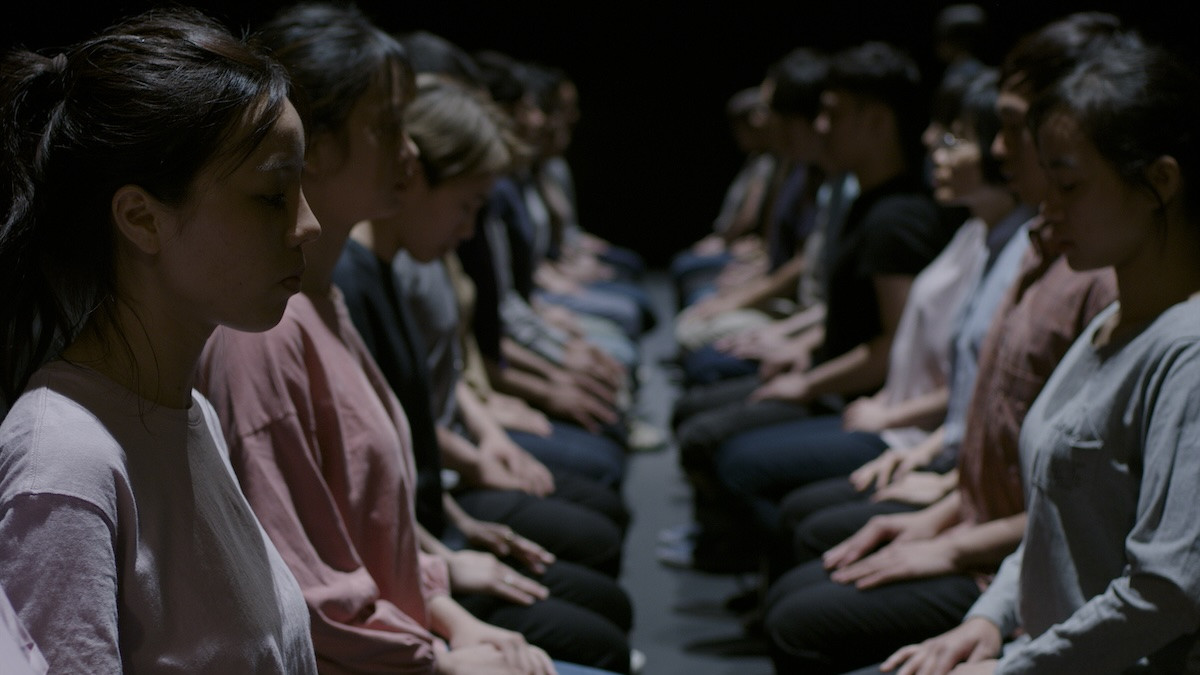

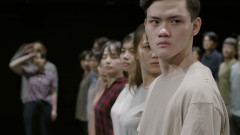
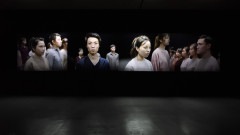





Mujō (The Heartless)
Synopsis
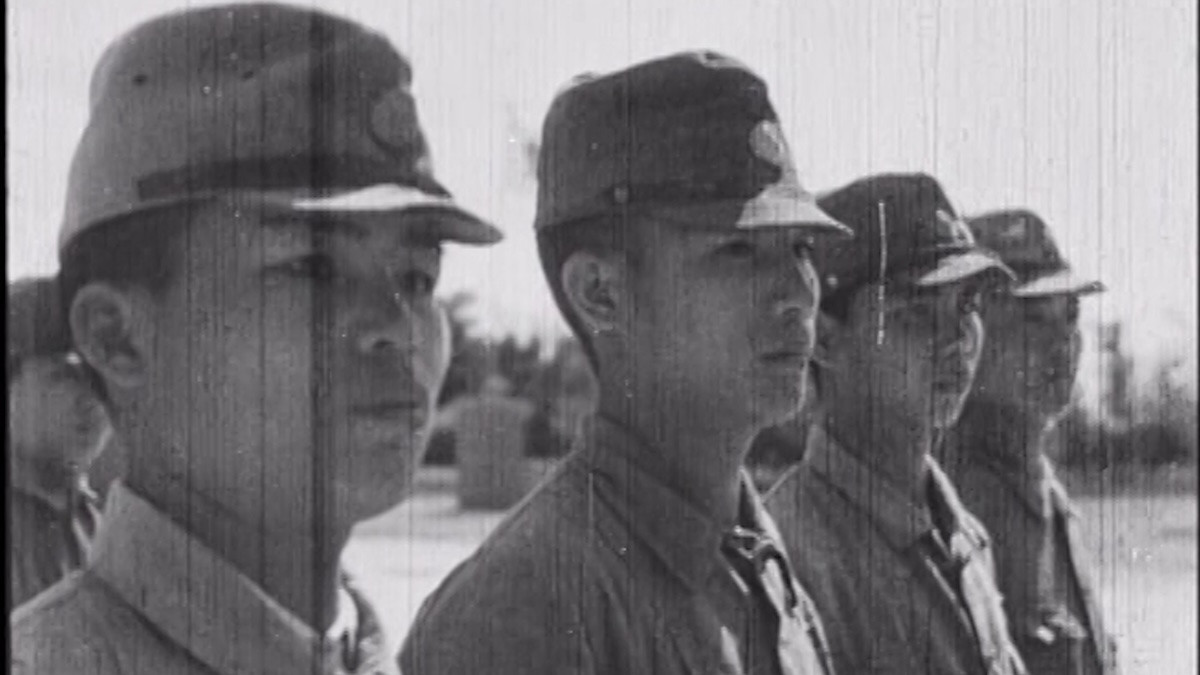
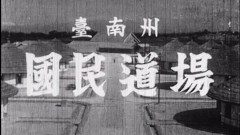
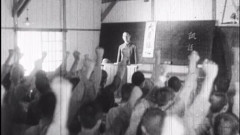
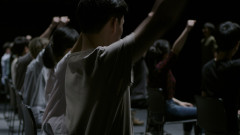
Released circa 1942-1943, Kokumin Dojo (Civilian Training Centre) was a Japanese state-sponsored propaganda film documenting rituals used to convert Taiwanese people into 'imperial' Japanese subjects. This work offers a contemporary critical re-enactment of selfhood and emotional erasure as colonial policy, staging four young immigrants in Japan under off-camera command, synchronised with the original film.
Fujii Hikaru: 'During the war, the ultimate goal of "Japaneseisation" was troop mobilisation. In the postwar "democratic" era, this is outwardly denied as militarism, yet assimilation policies from the imperial era continued to shape the lives of foreign residents in Japan. Under global capitalism, economic domination and exploitation now extend to Southeast Asian immigrants depicted in Mujō (The Heartless). Some are deprived of their freedom of employment under the Technical Intern Training Programme, criticised by the U.N. Human Rights Council and in the U.S. Trafficking in Persons Report (2021). Excessive Japaneseisation is also internalised in everyday behaviour, gestures, and personal expression, closely monitored through social media and other forms of surveillance.'
— Excerpted and adapted from 'Sign of the Times #5: Restoring Time'
Kokumin Dojo (Civilian Training Centre). Courtesy of the National Museum of Taiwan History.
Director's Profile
FUJII Hikaru
Filmography
2014 ASAHIZA
2019/2026 Mujō (The Heartless)

Credit
Cinematographer|Furuya Koichi
Sound Designer|Fujiguchi Ryota
Choreographer|Matsumoto Nanako
Print Source
FUJII Hikaru|info@hikarufujii.com