
Razan AlSalah is a Palestinian artist and educator based in Tiohtià:ke/Montreal. Her films explore the material aesthetics of disappearance — of Indigenous bodies, narratives, and histories — within colonial image worlds. Working with moving images as ghostly trespasses and ruptures, she approaches filmmaking as a collective process of recollection. She currently teaches film at Concordia University.
Your Father Was Born 100 Years Old and So Was the Nakba
Your Father Was Born 100 Years Old and So Was the Nakba








Your Father Was Born 100 Years Old and So Was the Nakba
Synopsis
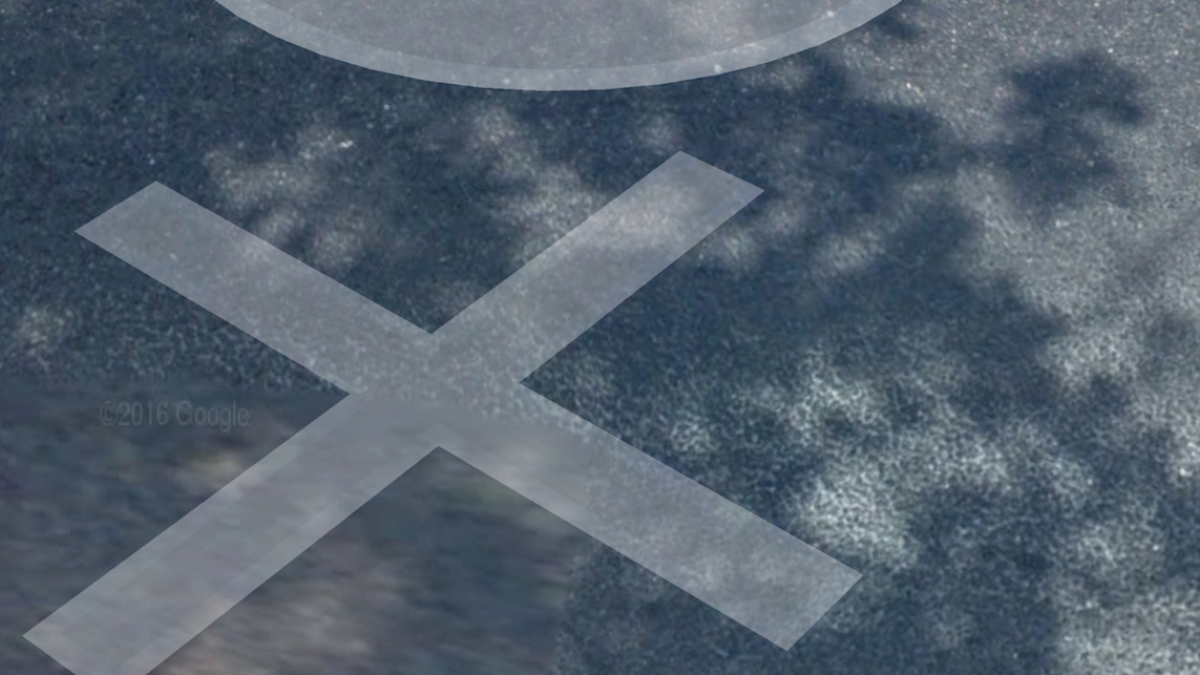
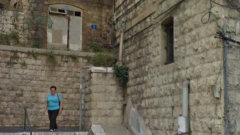
The film imagines a century after the Nakba, as a deceased grandmother navigates her hometown Haifa through Google Street View — the only remaining way to see Palestine. Her disembodied voice wanders digital streets, searching for a son born in 1948, and for a geography erased from history yet preserved through spectral imagination.
Razan Alsalah: ‘This was my first film; I initially didn't know I was making a film. What mattered was finding a way to return my grandmother to Palestine. In retrospect, now I understand this film as establishing the ethic of my filmmaking practice in collective recollection—rather than in scripted narrative or documentary witnessing. It's something in-between. Similarly, my grandmother's voice was something that was both enacted and written. I immersed myself in our stories, our collective histories, archival research, the interview with Amine, critical historical research, and Google Streetview's inherent modes of production, and encountered the image as I knew teta would have: at the moment of her escape, as it coincides with her moment of return. Remembering and returning are inextricably linked. ’
Festivals & Awards
2018 Hot Docs
2019 Open City Docs Fest
Director's Profile
Razan ALSALAH
Filmography
2017 Your Father Was Born 100 Years Old and So Was the Nakba
2020 Canada Park
2024 A Stone’s Throw

Credit
Scriptwriter/Cinematographer/Editor|Razan ALSALAH
Sound Design|Victor BRESSE
Print Source
Razan ALSALAH|www.razanalsalah.com