
An Chu holds an MFA in Film Directing from Columbia University, New York City. He is a participant in the Locarno Filmmakers Academy. His short film The Stag won the International Fiction Short Film Jury Award at the 2024 Sundance Film Festival, and was also selected for Visions du Réel and Locarno Film Festival. His latest short film, Paper Houses and Horses, was screened at IDFA in 2025. He is currently developing his first feature, Game of Replacing Gods.
Paper Houses and Horses
Paper Houses and Horses
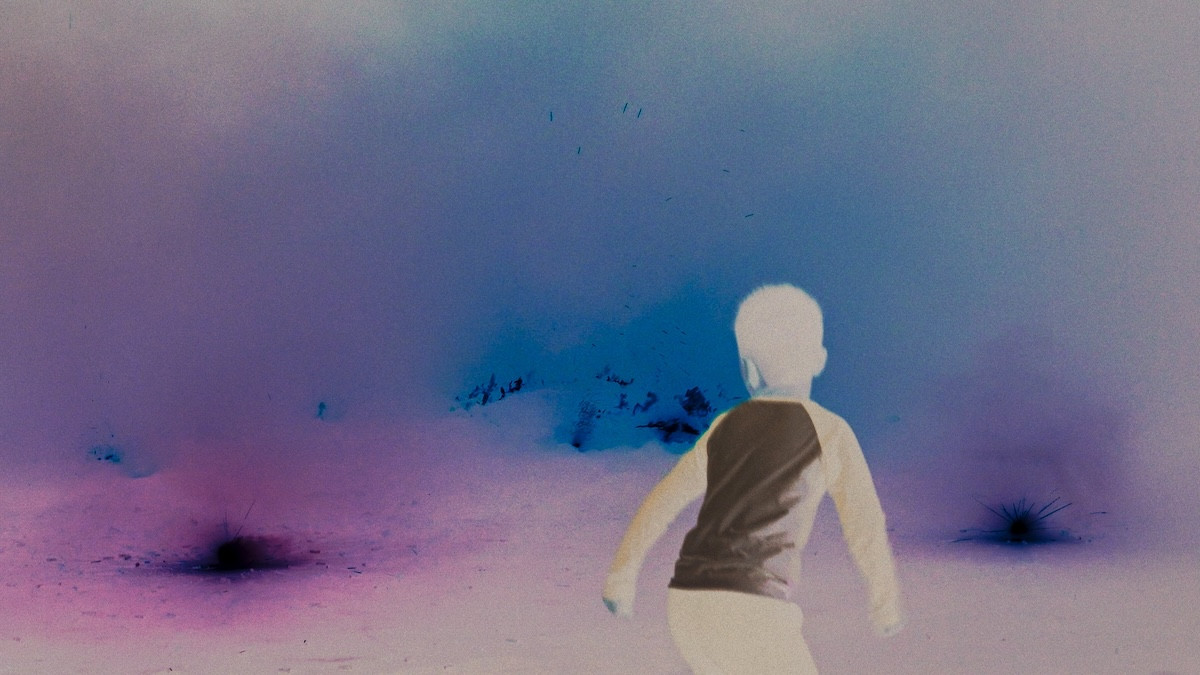


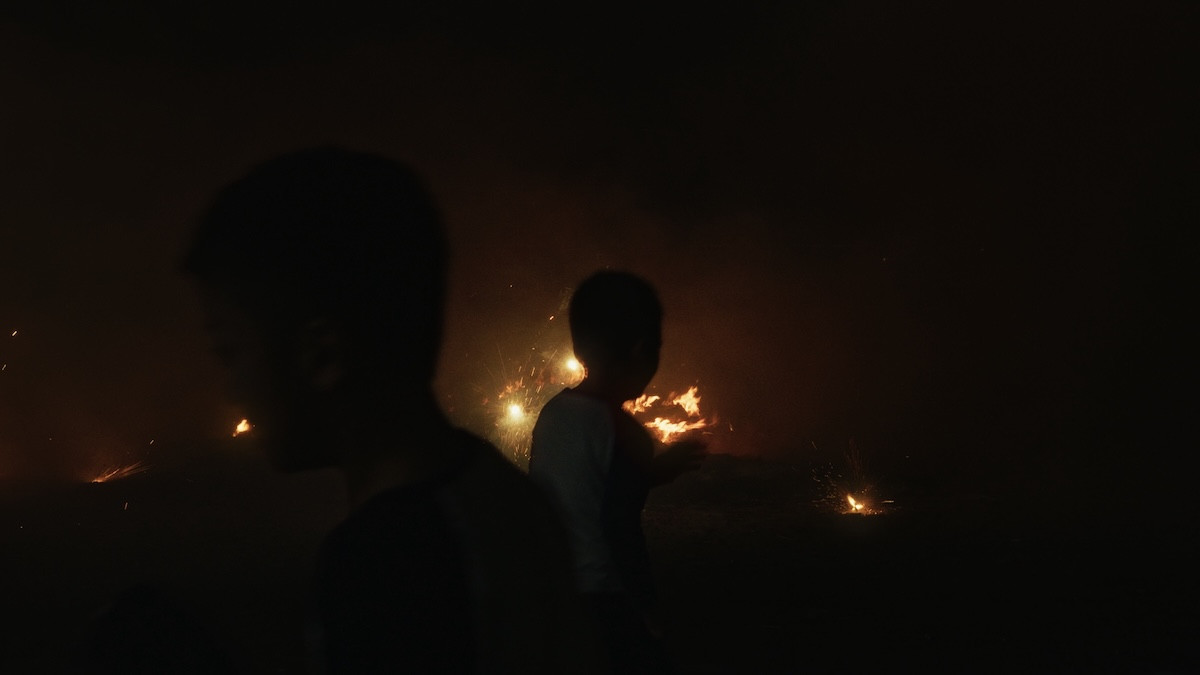
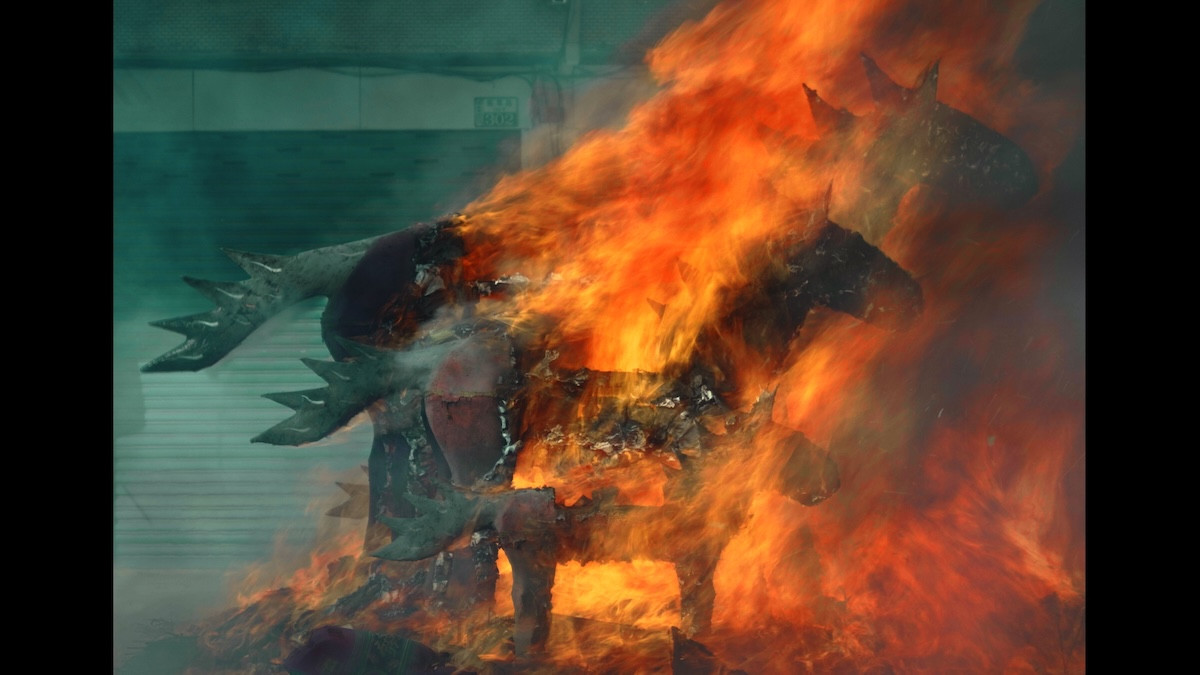





Paper Houses and Horses
Synopsis
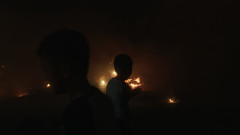
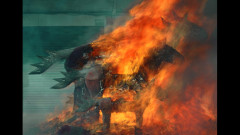
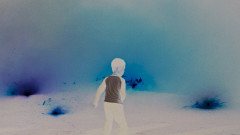
In a Taiwanese mortuary, the bodies of deceased children are kept for years when families are absent. Funeral workers prepare rituals, paper houses and horses are burned, and quiet gestures of care unfold. Observing institutional routines and private mourning, the film reflects on how the living accompany the dead on their final journey.
An Chu: ‘I visited this particular morgue in Northern Taiwan for a year before making this film. One of the funeral directors told me that many children’s bodies are kept in the freezer for several years due to the absence of their parents, who may be in jail, undergoing rehabilitation, or living in hiding as undocumented migrant workers. Social welfare units are often unable to intervene. As a result, funeral parlors sometimes hold a simple ceremony for these children and burn paper offerings for them. According to our beliefs, the deceased will receive whatever we burn for them in this world in the afterlife, including paper houses, horses, and other worldly objects. A large portion of the Taiwanese population practices Buddhism and Taoism, and believes in reincarnation and the afterlife. However, these children remain orphans even after death, becoming restless souls trapped in the morgue. If there are no ritual masters willing to perform a ceremony on their behalf, their fate after death remains unchanged. The gaze of the new recruit represents my own feelings when I first heard this story. Although the environment felt oppressive and formal, I felt I could use my imagination to do something for these children — to try to understand how they might feel, and to offer a different perspective and interpretation of their passing.’
Festivals & Awards
2025 IDFA
2025 TGHFF
Director's Profile
An CHU
Filmography
2022 Tuo Tuo
2023 The Stag
2025 Paper Houses and Horses
2025 Paper Life
2025 Madame Butterfly of Nagasaki

Credit
Producer|WANG Tzu-yuan, An CHU
Scriptwriter|An CHU
Cinematographer|LIAO Ching-wen
Editor|HUANG Yi-ling, LIAO Ching-wen
Sound Design|LIN Yan-rong, Sen HO, Allen KANG, LI Yi-shiou
Print Source
An CHU|johnsonju0072@gmail.com
Shown in...
Taiwan Competition Shorts #1