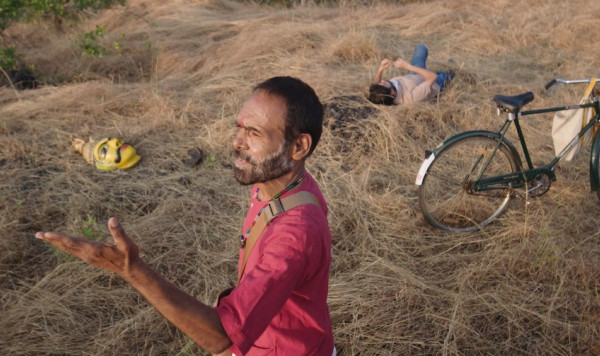
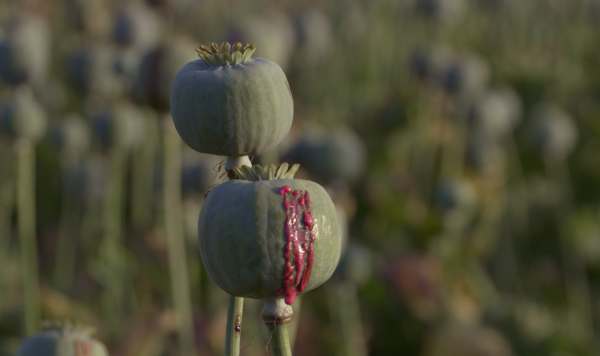
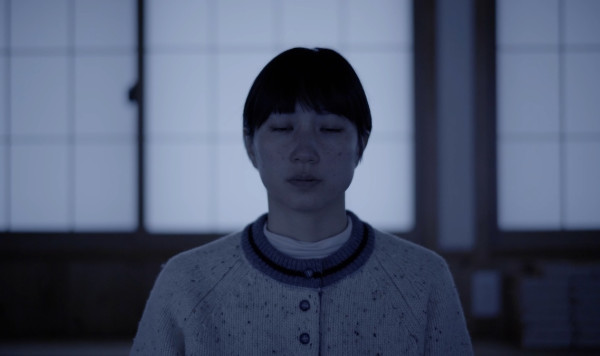
影像如同橫跨時空的視訊,審視著過往傷口。透過歷史再現與故事重演,記錄偌大世界中殘存的抵抗與徒勞。感官在此深入身體知覺,在鹹澀海風、勞動機械與日常冥想中,經歷重複的生命節奏。從書信往返到習字新生,創作者們探討在變動中如何重新開始,並在虛實與生死的交界處,建構屬於亞洲的集體記憶。
代表圖片

Noise: Unwanted Sound

0.2 seconds after a sound reaches the cochlea, the brain assigns distance, direction and speed. With constant tinnitus, the director compares inner sounds with Somchai, a construction worker and fellow patient. Blending medical inquiry, soundscape and poetic reflection, she reveals how thin the line is between sound and noise — and whose voices are dismissed as such.

Writing Hawa

Filmed over five years, this film follows three generations of Hazara women in Afghanistan. Forced into marriage as a child, Hawa learns to read at 52 and starts a textile business, while her daughter Najiba and granddaughter Zahra seek independence. The Taliban’s return in 2021 shatters their fragile progress, forcing separation, exile and renewed struggle. Najiba Noori: ‘War, violence, forced marriage, and lack of access to education have plagued and victimised countless Afghan women for decades. My mother’s dreams were stolen.

Where the Sea Breeze Blows

Each year, the filmmaker’s family takes a ferry from Kaohsiung to Penghu to visit her grandfather. When he chooses to end his life, that routine ends. Her mother keeps a diary while the filmmaker records images; through these acts of remembrance, they begin a dialogue and learn to say goodbye.

What Did You Dream Last Night, Parajanov?

The webcam witnesses it all. Living in Berlin, the director records ten years of drifting online conversations with parents in Isfahan and a cousin in Vienna. Much remains unsaid. Text fragments and VHS images evoke longing, distance and the ache of wanting to be understood.

Faraz Fesharaki: ‘My mother wanted to know why I was recording our Skype conversations. I told her these recordings were like my diaries. [In writing,] I would never have been able to capture the essence of those moments with such detail and fidelity.

I Was, I Am, and I Will Be!

In Osaka’s Nishinari Ward, Kamagasaki remains a historic enclave of day labourers, though its name no longer appears on official maps. As public spaces disappear, the director and his friend wander its streets, listening to residents’ voices. Their stories reveal lives shaped by hardship, solidarity, and a neighbourhood that continues to shelter society’s most marginalised.

Isan Odyssey

This hybrid documentary weaves stories from Isan, Thailand’s largest yet poorest region. Through Mor Lam, a popular folk music with Lao roots, it traces political uprisings before and after the Cold War. Questioning why Isan seems cursed by misfortune, the film reveals resilience, humour and joy persisting amid a landscape shaped by bloodshed and loss.

Map of Traces

Unfolding as a tender letter, the film traces Hong Kong through its landscapes and lingering marks. Within memories of those who left, stayed or drifted, it searches for intimate moments that quietly connect lives, attuned to the city’s subtle rhythms of change and stillness.

Masayume

After losing mental and physical balance at 34, the filmmaker trains at a Zen temple. Through Zen, she reconsiders eating, sleeping and breathing, seeing body and mind as a ‘bag of flesh’. Inspired by Noguchi Taiso, she imagines the body as fluid — organs and bones floating, expanding and contracting freely.

Paikar

A Dutch-Afghan filmmaker confronts his authoritarian father, an imam with a violent past, in an attempt to heal their fractured relationship. Travelling across Afghanistan, Iran and Iraq, they reflect on family, faith and displacement. Part personal reckoning, part universal search for freedom, the film explores liberation from inherited fear and emotional exile.

Until the Orchid Blooms

Neang, an Indigenous woman in northeastern Cambodia, watches her village disappear beneath a hydroelectric dam. As industrial and state forces pressure families to leave ancestral lands, she struggles to hold her community together while her children’s futures drift away from traditional ways of life. 

Polen Ly: ‘The experience of filming Until the Orchid Blooms over six years went beyond filmmaking; it became a journey that allowed me to form a deep emotional bond with Neang’s family and her Indigenous community.

Asian Vision Competition

Serving as visual bridges across time and space, these films examine the wounds of the past. Through historical reconstruction and narrative re-enactment, they trace lingering resistance and futility within a vast world. Sensory experience moves inward, attuned to bodily perception amid salty sea winds, mechanical labour and daily meditation, where life unfolds in repeated rhythms. From exchanges of letters to the rediscovery of writing, the filmmakers ask how one begins again in times of flux. At the thresholds between fiction and reality, life and death, they construct collective memories rooted in Asia.

Films
Air Base

Air Base

2025
Canada
100min

Cherry Ferry

Cherry Ferry

2024
Taiwan
99min

Compact Disc

Compact Disc

2025
Hong Kong, United Kingdom
38min

CycleMahesh

CycleMahesh

2024
India
61min

I Was, I Am, and I Will Be!

I Was, I Am, and I Will Be!

2025
Japan
101min

I, Poppy

I, Poppy

2025
France, India
82min

Isan Odyssey

Isan Odyssey

2025
Thailand
80min

Map of Traces

Map of Traces

2025
Hong Kong
29min

Masayume

Masayume

2026
Japan
110min

Noise: Unwanted Sound

Noise: Unwanted Sound

2024
Netherlands, South Korea
20min

Paikar

Paikar

2025
Netherlands
98min

Until the Orchid Blooms

Until the Orchid Blooms

2024
Cambodia
103min

What Did You Dream Last Night, Parajanov?

What Did You Dream Last Night, Parajanov?

2024
Germany
81min

Where the Sea Breeze Blows

Where the Sea Breeze Blows

2024
Taiwan
37min

Writing Hawa

Writing Hawa

2024
Afghanistan, France, Netherlands, Qatar
85min
Subscribe to RSS - 亞洲視野競賽