本單元聚焦台灣人於日治時期成為日本兵,以及部分再被國民政府徵召的多個故事。透過系統性並置不同年代與觀點的作品——包括日治時期政宣片、1970年代的紀實紀錄,到1990至2000年代跟拍訪談的小人物群像,直至近年創作者對史觀的反省重思——探究在歷史的過渡中,政權的統治與規訓如何塑造個人經驗、國族意識與身分認同,進而看見這些歷史之於台灣,漸趨深入與複雜的意義轉變。

代表圖片

A Taiwanese Teikoku Kunjin

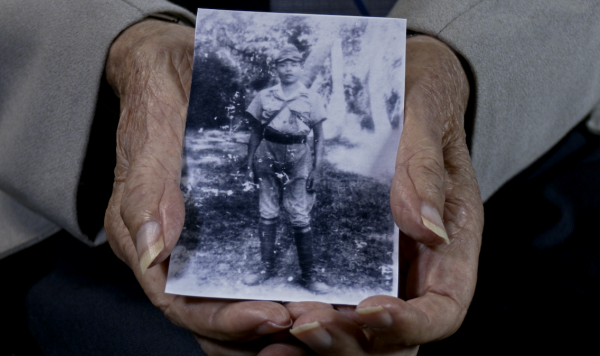
A Taiwanese Teikoku Kunjin revisits the wartime mobilisation of Taiwanese youth. Through the testimonies of five young men drafted in their twenties as volunteers, medics, or kamikaze trainees, and sent to the South Pacific, the film blends first-person narration with archival footage to trace survival, trauma, and the enduring human cost of imperial war.

Archive: Li Guang-hui

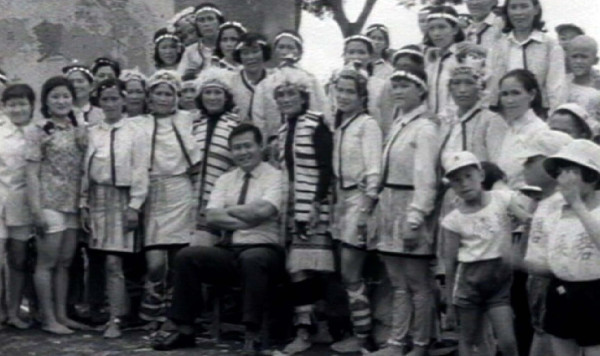
Suniuo (1919-1979), also known as Li Guang-hui, was an Indigenous Taiwanese soldier for Japan. Unaware of Japan's WWII surrender, he remained hidden in the jungle for thirty years. The film follows his life from 1975 to 1979, tracing his emergence from the Indonesian jungle, return to Taiwan and the Amis community, ensuing media frenzy, and death from lung cancer.

Asia Is One

Opening with the Japanese national anthem, the film traces Taiwanese labourers in Okinawa, mass student labour in the Sakishima Islands, and Shōwa-era (1926–1989) coal mining on Iriomote. Travelling from Yonaguni to Taiwan, it reaches a Tayal village shaped by the Musha Incident (1930), where the noontime bell was replaced by the Imperial Japanese military song, 'Umi Yukaba'.

From Island to Island

During the Second World War, Taiwan was part of the Japanese Empire. This documentary traces the lives and experiences of Taiwanese soldiers, doctors, and overseas residents in Southeast Asia during that era, using family letters, diaries, and cross-generational dialogues to reveal the complexities and diverse identities of Taiwan's historical memory.

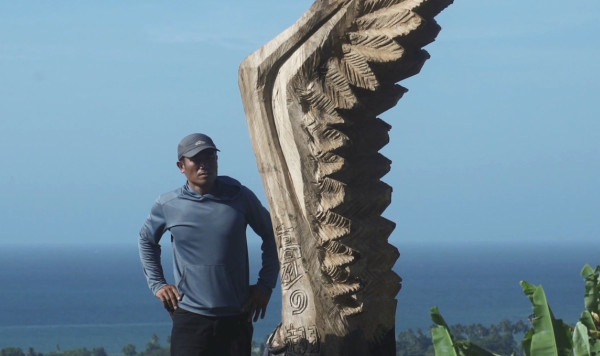
Wings for Takasago Giyutai

In Wewak, Papua New Guinea, descendants of Takasago Giyutai and Amis artist Siki Sufin erect the Wings for Takasago Giyutai monument. Honouring Taiwanese Indigenous youth mobilised by the Japanese military from 1943–1945 during the Pacific War, it revives silenced histories and evokes the Amis belief that fallen souls return home on bird wings.

Futuru C. L. Tsai: ' "Please bring me a pair of wings so I may return home, my friend." This line comes from an Amis song, echoing a myth in which the soul returns home on wings.

How Long Is the Road

In 'Etolan, a coastal Indigenous community in eastern Taiwan, the director and Amis artist Siki Sufin uncover their fathers' shared displacement. They trace a vanished generation of Taiwanese Indigenous youth taken to China during the civil war, bearing witness to the long-silenced histories of surviving veterans.

Suspended Duty: Taiwan Military Training Regiment

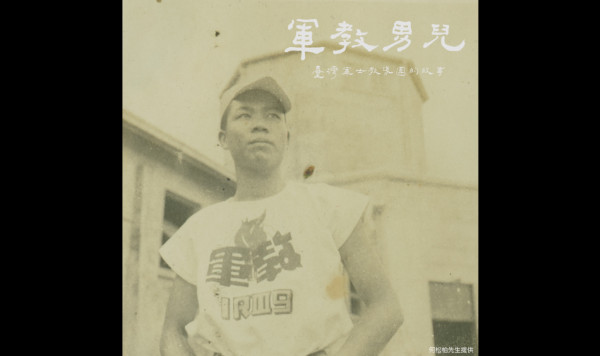
Formed in 1950 under General Sun Li-jen, Taiwan's Military Training Regiment recruited over 4,000 young men to build a new army. Abruptly ordered into 'suspended duty', they waited decades without discharge. Through interviews and satirical propaganda-style narration, the film examines how politics disciplines bodies, silences dissent, and asks: who were they meant to fight for?

Heat Sun

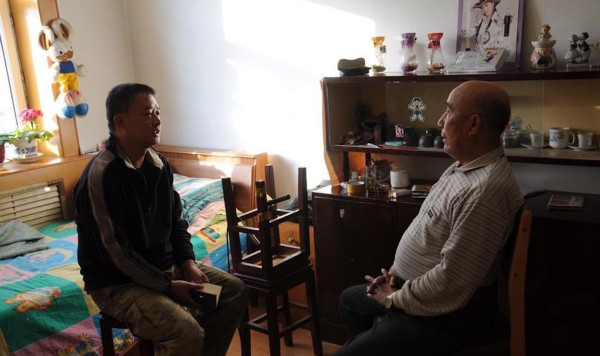
Following the outbreak of the Pacific War in 1941, Taiwanese men were mobilised as guards in prisoner-of-war camps in northern Borneo. Tried and punished after the war, survivors carried stigma, imprisonment, and lasting trauma. Through conversations and images, the film traces fading lives shaped by displacement, identity loss, and the enduring violence of wartime systems.

Mujō (The Heartless)

Released circa 1942-1943, Kokumin Dojo (Civilian Training Centre) was a Japanese state-sponsored propaganda film documenting rituals used to convert Taiwanese people into 'imperial' Japanese subjects. This work offers a contemporary critical re-enactment of selfhood and emotional erasure as colonial policy, staging four young immigrants in Japan under off-camera command, synchronised with the original film.

Kokumin Dojo (Civilian Training Centre). Courtesy of the National Museum of Taiwan History.

Military Drill for Student Soldiers, Shinto Matsuri

Digitised in 2025, two 16mm films from Taiwan's Japanese colonial period are presented together. The first captures a national mobilisation rally in Taichung and the fervour surrounding a troops' send-off. The second observes a Shinto festival procession, student soldiers drilling with rifles, and female students forming rice balls for wartime logistics.

Taiwan Spectrum|War Memories, Shifting Identities

This programme brings together stories of Taiwanese individuals who were mobilised as Japanese soldiers during the colonial era, some of whom were later conscripted by the Nationalist government. By systematically juxtaposing works from different periods and viewpoints — from colonial propaganda films and 1970s documentaries to observational portraits of ordinary people in the 1990s and 2000s, alongside recent artistic reflections on historiography — the selection examines how successive regimes and their systems of rule and discipline shaped personal experience, national consciousness and identity. Ultimately, it reveals how the meanings of this history for Taiwan have become increasingly layered and complex.

Films

A Taiwanese Teikoku Kunjin

A Taiwanese Teikoku Kunjin

1993
Taiwan
32min

Archive: Li Guang-hui

Archive: Li Guang-hui

1975
1979
Taiwan
30min

Asia Is One

Asia Is One

1972
Japan
96min

From Island to Island

From Island to Island

2024
Taiwan
291min

Heat Sun

Heat Sun

2008
Taiwan
104min

How Long Is the Road

How Long Is the Road

2009
Taiwan
114min

Leaving for the Front Line, Spiritual Mobilization

Leaving for the Front Line, Spiritual Mobilization

1937
Japan
2min

Military Drill for Student Soldiers, Shinto Matsuri

Military Drill for Student Soldiers, Shinto Matsuri

1942
1945
Japan
4min

Mujō (The Heartless)

Mujō (The Heartless)

2019
2026
Japan
11min

Shonenko

Shonenko

2006
Taiwan
60min

Suspended Duty: Taiwan Military Training Regiment

Suspended Duty: Taiwan Military Training Regiment
2010
Taiwan
47min

Wings for Takasago Giyutai

Wings for Takasago Giyutai

2016
Taiwan
65min
Subscribe to RSS - 台灣切片|意識流變:戰爭與台灣兵的回望